Author: Marceau Nio

  • Malta: slight growth in electromobility, but persistent structural challenges

    Malta: slight growth in electromobility, but persistent structural challenges

    A small Mediterranean archipelago of 320 km² with a population of around 545,000, Malta has an atypical profile in Europe. With a population density of around 1,716 inhabitants per km², the highest in the European Union, and a car fleet of more than 450,000 vehicles of all categories, the country has a number of structural constraints that make the transition to electric mobility more complex. Despite real progress in recent years, supported by increased public funding, electromobility still faces a number of obstacles in the archipelago.

    A rollercoaster electricity market

    Electric vehicle sales in Malta have followed an atypical trajectory in Europe. In the first quarter of 2022, electric motors and plug-in hybrids accounted for just 1.7% of the total vehicle fleet, representing a total of just 7,122 vehicles in the Maltese islands at the time.

    Fast forward three years later and as of the second quarter of 2025, this segment of vehicles has more than doubled and now represents 4.3% of the total fleet, or 19,493 vehicles out of the overall total of 450,794 vehicles currently registered. The number of pure electric vehicles in the Maltese islands increased by 6% in the first two quarters of 2025, to a total of 14,555 electric vehicles.
    At the end of September 2025, the total fleet of electric vehicles and plug-in hybrids reached 20,604 units, or 4.5% of the total fleet of motorised vehicles registered in Malta.

    A recharging network that is still limited and inefficient

    Malta has around 380 public charging points, a figure that may seem relatively reasonable given the still modest number of electric vehicles on the island. In fact, there is one public charging point for electric vehicles for every 46 cars on the Maltese islands.

    In practice, the power of the installations remains very limited. Only a handful of charging points exceed 22 kW, and 12 fast charging points offer more than 50 kW. In other words, almost 90% of installations are AC charging points of less than 11 kW, which means that charging times are particularly long.

    Most of the infrastructure is concentrated in urban and tourist areas: Valletta, Sliema and St Julian’s, Gozo.

    As for the network operators, there is Maltapark, which operates almost half of the public terminals, as well as Enemalta (the Maltese EDF). There are also a few fast infrastructures operated by Tesla.

    source: Maltapark

    Numerous structural obstacles

    There are several major obstacles to the volatile adoption of electric vehicles on the archipelago.

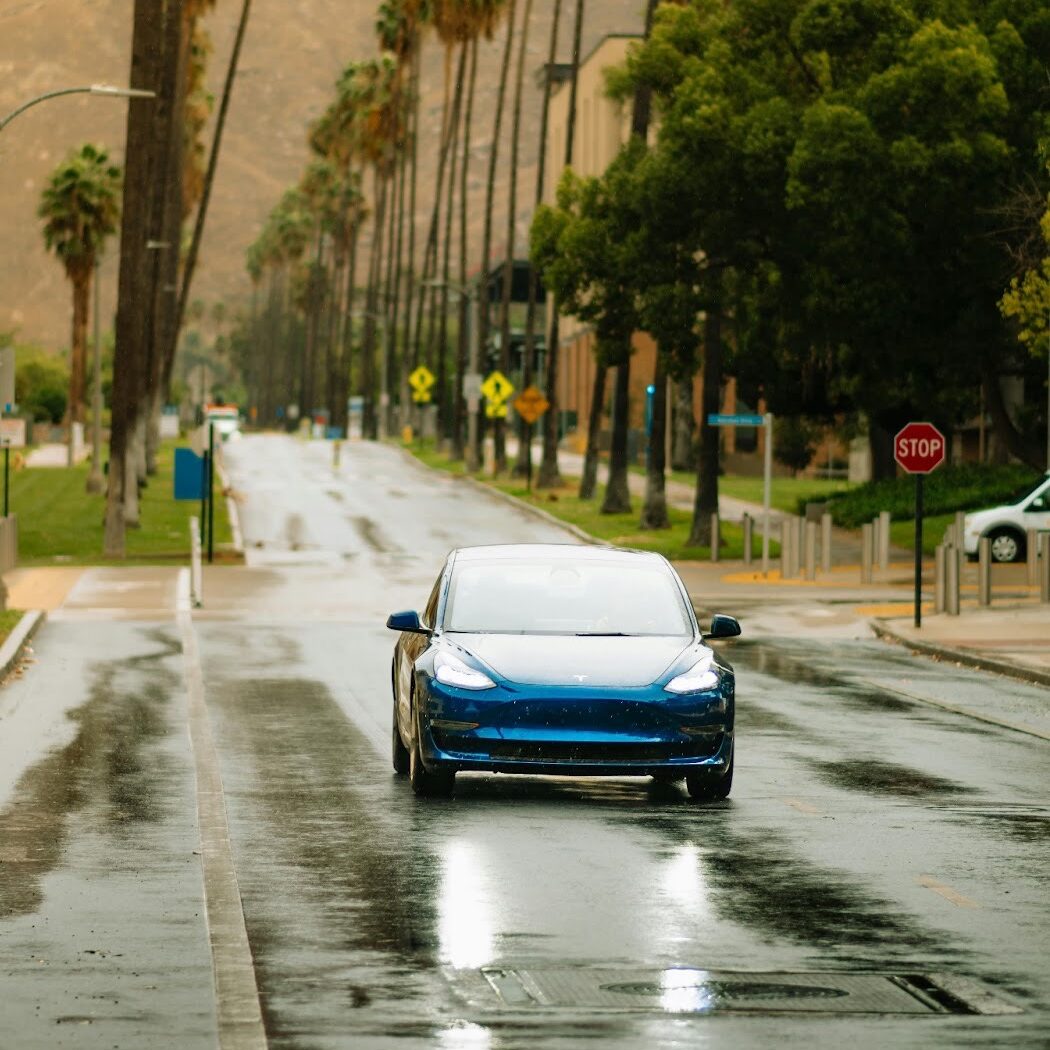
    The first is the purchase price. In Malta, the price of electric vehicles is significantly higher than in other European markets, due to the fact that the vehicles are imported in their entirety and the associated logistics costs. For example, excluding grants, the price of a Tesla Model Y Long Range is €62,900 in Malta, compared with ‘only’ €49,990 in France, an increase of 26%.

    Access to recharging is another major obstacle. Around 85% of households live in flats, often without private parking or the possibility of installing a home charging point.

    Furthermore, and this is not the only sceptical European population, Maltese drivers remain unconvinced given the range of electric vehicles, even though most daily journeys on this particularly compact island do not exceed 30 kilometres.

    Finally, a number of cultural factors also play a role. In a society where the car remains a status symbol, the electric models on the market are often perceived as prestige objects rather than everyday vehicles.

    Sharp rise in public funding

    With a view to developing electromobility as effectively as possible and tackling these obstacles, the Maltese government has stepped up its financial incentives. Malta is counting on very generous subsidies through the main Electric Vehicle Grant Scheme. This scheme offers between €5,000 and €10,000 for the purchase of a 100% electric vehicle for private individuals (and up to €15,000 for businesses), depending on the price. These grants are supplemented by a 5-year exemption from road tax and subsidies for the installation of charging points covering up to 70% of the costs.

    The government is gradually increasing the budget (€6m in 2024, €12m planned for 2026) to fund more subsidies. As a result, 87% of electric vehicles sold in 2025 will have received aid.

    A national strategy still to be put into practice

    And these aids are not here by chance. The Maltese authorities have set a number of targets to speed up the transition. In particular, the national plan calls for 10% electric vehicles in the fleet by 2030, 6,500 recharging points across the Maltese islands by 2030, in line with Malta’s Low Carbon Development Strategy (LCDS), and 50% of electricity generated from renewable energy.

    A low-emission zone is also due to be introduced in Valletta from 2028, with a gradual restriction on internal combustion vehicles. At the same time, several projects are underway to improve sustainable mobility, including the development of an electric sea link between Malta and the island of Gozo.

    An economic ecosystem that is still in its infancy

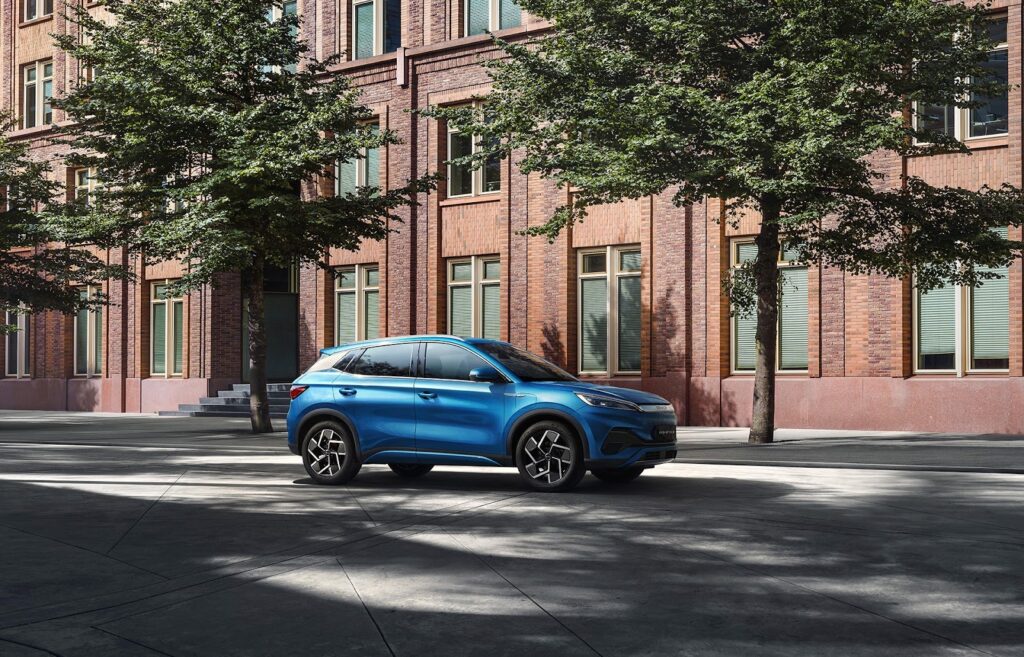
    Unlike other European markets, Malta has no local automotive production or battery industry. The market relies mainly on international importers and distributors. Tesla dominates the electric vehicle market, followed by MG Motor and the Chinese manufacturer BYD, whose breakthrough has been particularly noteworthy: the BYD Atto 3 took third place among the best-selling models in 2024, with an increase of 336% over one year.
    source : BYD

    However, a number of local companies are beginning to emerge in the field of electric mobility services, notably Switch, a platform for locating and reserving recharging points. It’s not much, but it’s something.

    A market dependent on public funding and growing

    All in all, electromobility in Malta is making progress, but at a still fragile pace. Supported by some of the most generous subsidies in Europe and ambitious political objectives, the archipelago’s energy transition is beginning to produce visible results. However, the constraints specific to this island territory – high urban density, limited access to domestic recharging, import costs and infrastructure that is still inadequate – continue to hold back its development.

    The challenge for the coming years will therefore be to transform these financial incentives into a genuine ecosystem for electric mobility, capable of becoming a lasting part of everyday life in Malta.
  • Ford improves its electric range for Europe: range, technology and efficiency on the agenda

    Ford improves its electric range for Europe: range, technology and efficiency on the agenda

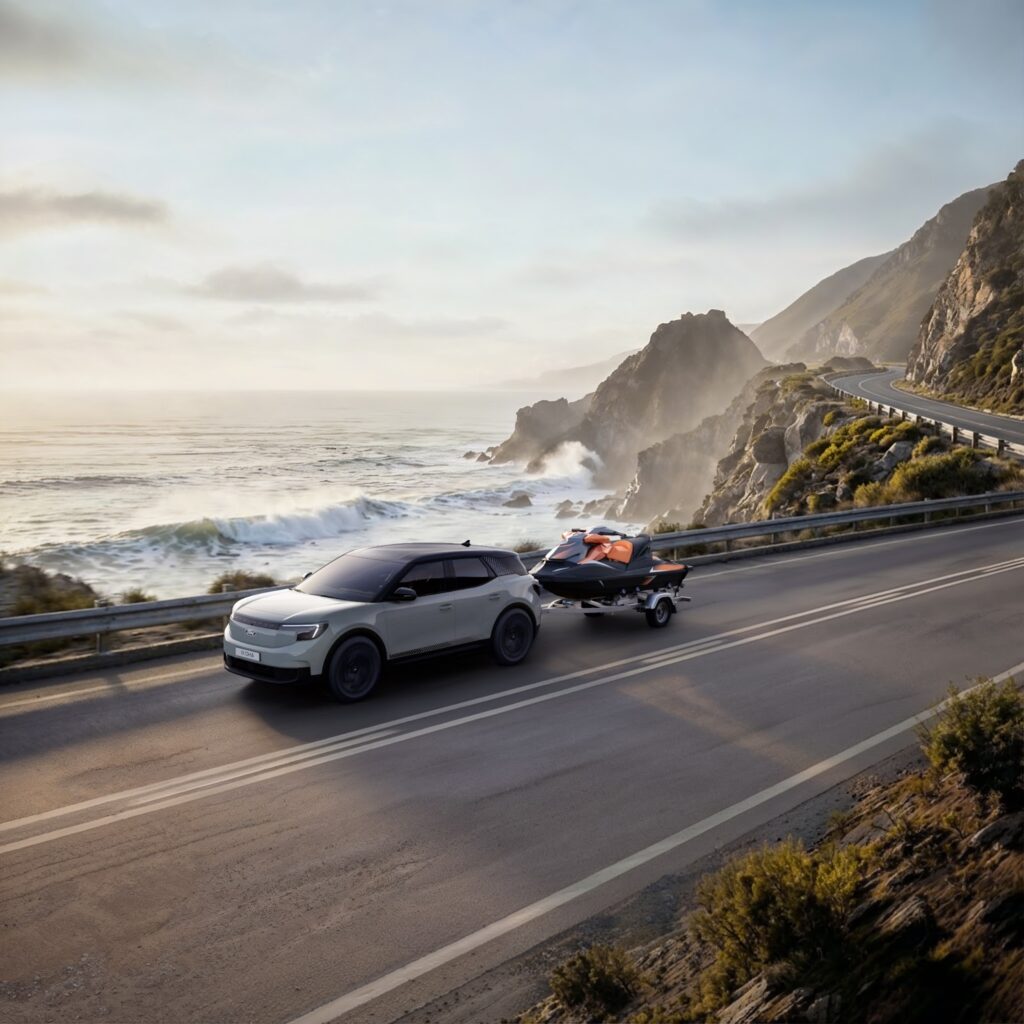
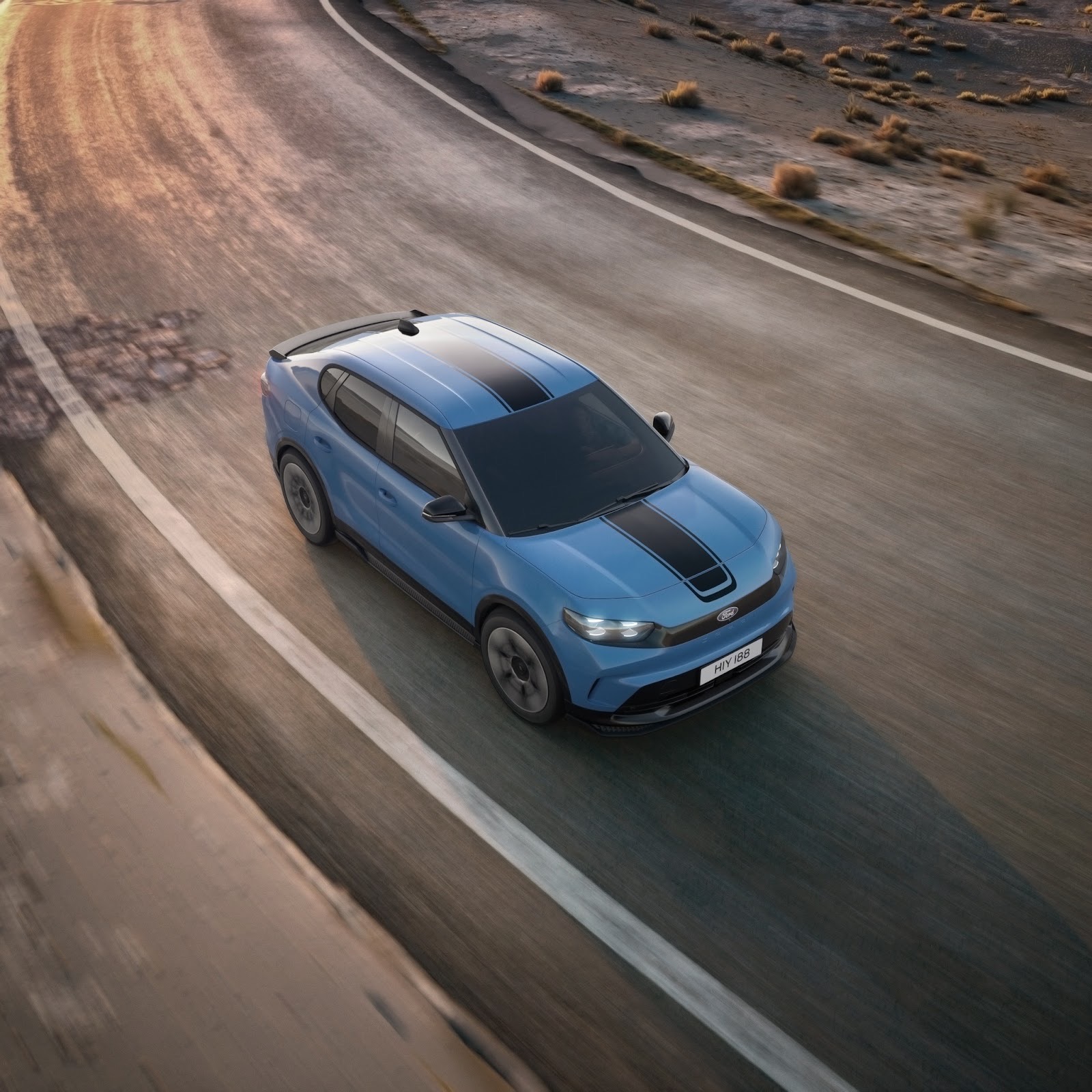
    In the space of a few days at the beginning of March 2026, Ford announced a series of improvements for three of its electric models: the Puma Gen-E, the Explorer and the Capri. On the agenda: greater range, new technologies and technical optimisations designed to make these vehicles more competitive, without any significant price increases. A series of announcements that illustrate the American manufacturer’s desire to strengthen the credibility of its electric range in Europe.

    Source : Ford

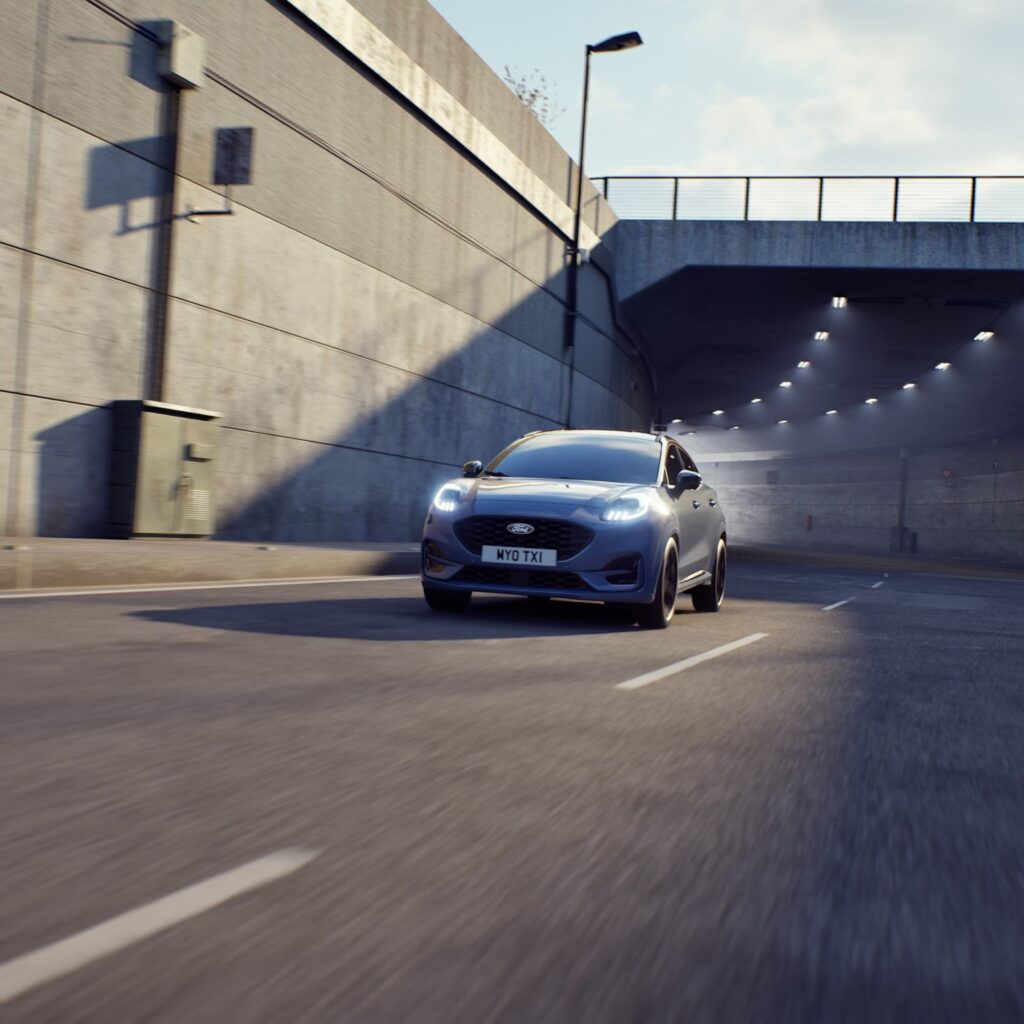
    Puma Gen-E: the electric volume car gains in range

    Let’s start with the American brand’s best-selling model in Europe in 2025: the Puma Gen-E, the 100% electric version of Ford’s urban crossover. It’s a strategic vehicle that Ford obviously doesn’t want to leave on the sidelines: “The interest we’ve seen in our Puma and Puma Gen-E across Europe is proof that we’ve found the right formula,” says Christian Weingaertner, Managing Director, Passenger Cars, Ford of Europe.

    Source : Ford

    With this update, Ford is announcing a range of over 417 km, compared with 376 km for the previous version of the Puma Gen-E, thanks to optimisation of the battery and energy management. This is a significant improvement for a model that is aimed primarily at the small urban SUV segment, where range remains a key criterion for buyers.

    The manufacturer is also introducing BlueCruise, its assisted driving system that allows hands-free driving on certain stretches of motorway, as long as the driver keeps his or her eyes on the road. Hitherto reserved for more upmarket models, this is the first time the system has been available on a vehicle in the small crossover segment. And as an added bonus for music fans, the manufacturer has announced that the B&O Premium Audio system has been improved and is now even more powerful than before.

    Source : Ford

    Electric Explorer: greater efficiency and technology

    The Ford Explorer Electric, recently launched on the European market, is also benefiting from technical improvements. Among the changes announced for this 100% electric family SUV is the introduction of a new 58 kWh LFP battery for Standard Range versions, replacing the previous 52 kWh battery. This change increases the range, which is now up to 444 kilometres according to the WLTP cycle. The 79 kWh Explorer RWD Extended Range version offers a range of up to 602 km.

    Source : Ford

    This new battery uses lithium iron phosphate (LFP) chemistry, renowned for its durability and resistance to recharging cycles, even though it requires slightly less rapid recharging power. On the Explorer Standard Range, maximum DC power has been reduced from around 145 kW to 110 kW, bringing the recharge time from 10% to 80% to around 28 minutes, compared with around 25 minutes previously.

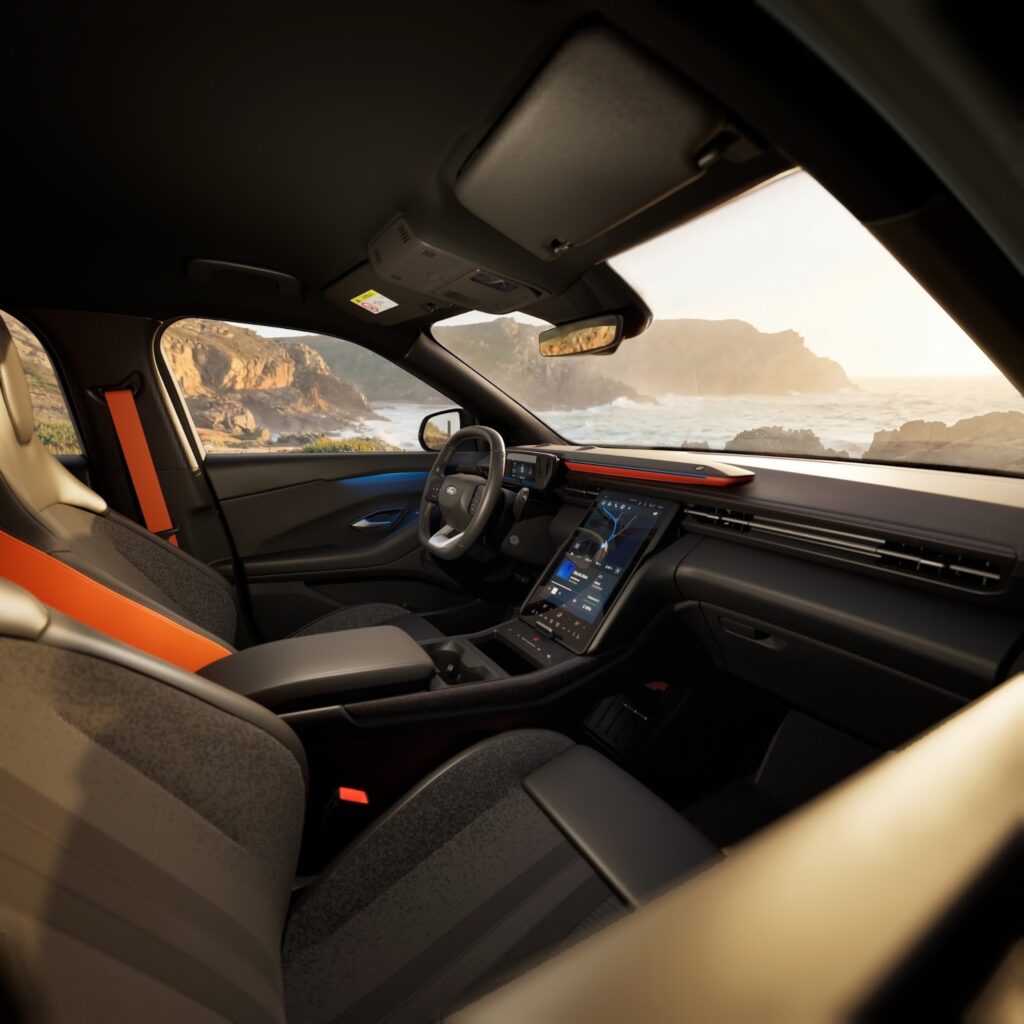
    At the same time, Ford is also introducing a number of software and technological improvements. The SYNC Move system, controlled via the central screen, benefits from optimised navigation capable of planning journeys by taking into account recharge stops and remaining range. Driving aids have also been upgraded, with a more precise adaptive cruise control system, improved lane-keeping management and new motorway assistance functions.

    Source : Ford

    Capri electric: more range for the SUV coupé

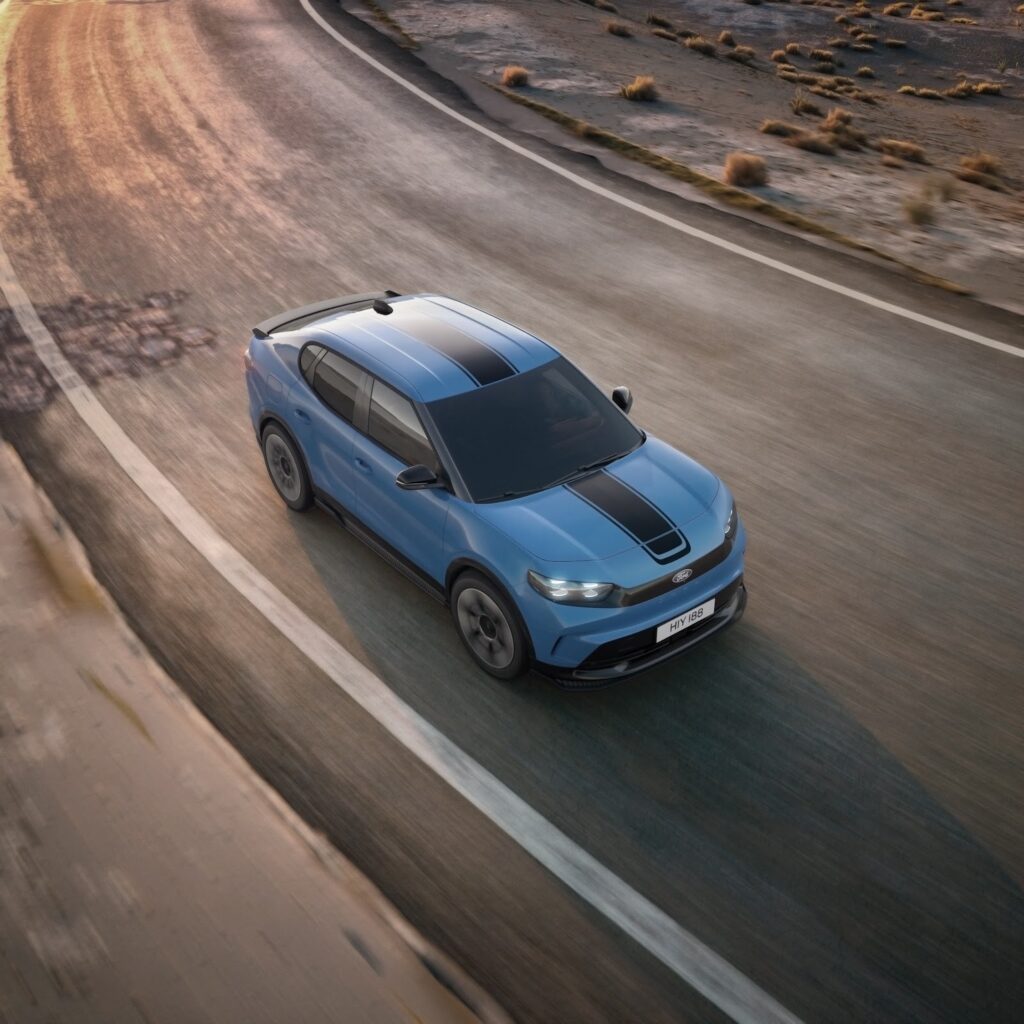
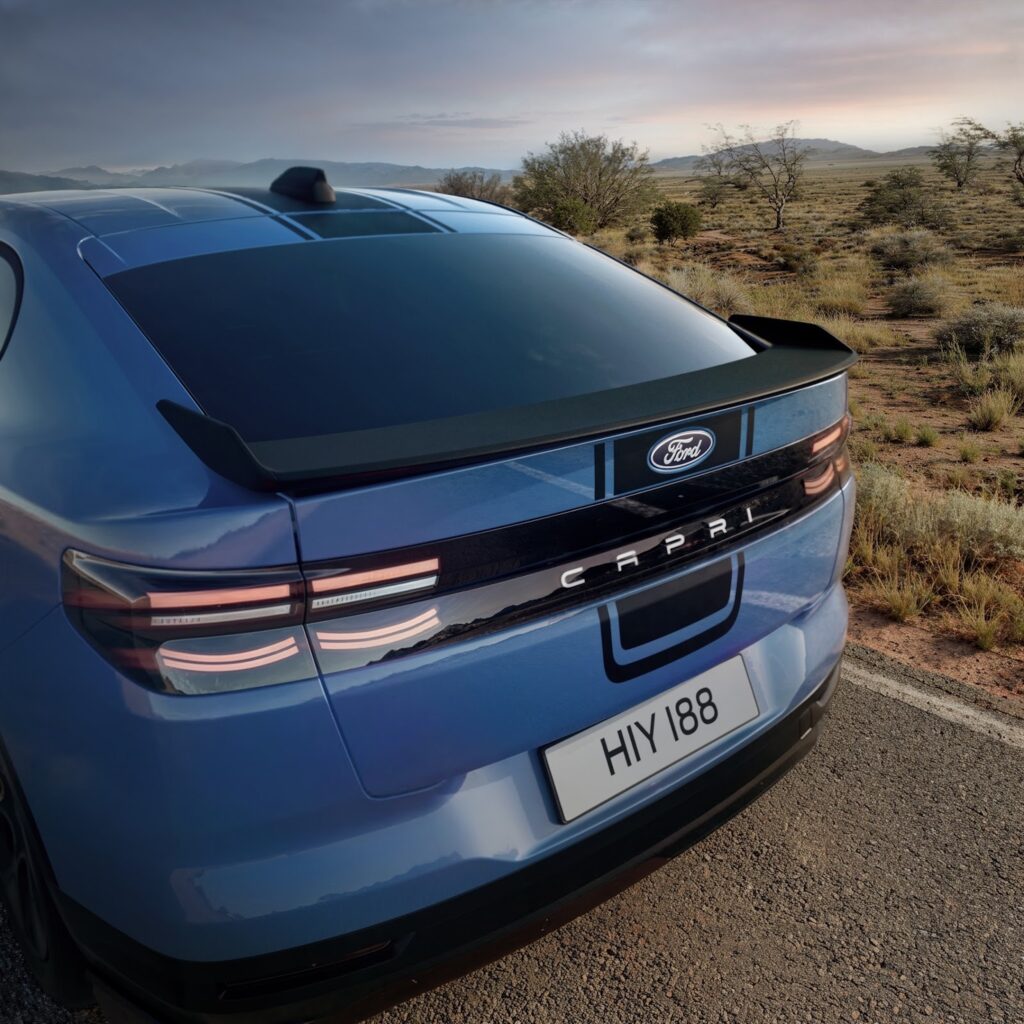
    The electric Ford Capri, recently unveiled as a modern interpretation of the famous 1970s coupé, also benefits from these technical developments. The Capri is based on the same platform as the Explorer, and like the Explorer, the entry-level versions now adopt the 58 kWh LFP battery, which provides a WLTP range of up to 464 kilometres. Extended Range versions are still equipped with the larger 77 kWh battery, offering a range of up to 627 km WLTP depending on configuration.

    Source : Ford

    The motor has also been improved. The Capri Standard Range benefits from an improved electric motor, with power increased to 140 kW (190 bhp) 7 and torque to 350 Nm.

    Ford is also taking advantage of this update to enhance the model’s equipment. As with the Explorer, the Capri’s digital environment has been upgraded, with the SYNC Move multimedia system controlled via a 14.6-inch sliding touchscreen, as well as a number of adjustments to driving aids and on-board connectivity. The changes to the Capri mainly concern the optimisation of technologies already on board. The manufacturer is also offering the Capri Collection Pack, a finish inspired by the model’s heritage that adds a number of specific design elements and reinforces the more emotional positioning of this electric SUV coupé.

    Source : Ford

    A strategy to strengthen Ford’s electric credentials

    These announcements are part of a wider strategy by the American manufacturer in Europe. Rather than churning out new models, Ford seems to be focusing on gradually improving its existing electric vehicles to make them more competitive.

    The three models concerned occupy key positions in the manufacturer’s range:

    • Puma Gen-E, designed to generate volume in the small SUV segment.
    • Explorer, positioned as a technological family SUV.
    • Capri, which plays more of an image role with its SUV coupé design.

    This strategy enables Ford to cover several major segments of the European electric market, in the face of increasingly intense competition.

  • BMW Group: solid results in 2025 and a strategy focused on electric vehicles

    BMW Group: solid results in 2025 and a strategy focused on electric vehicles

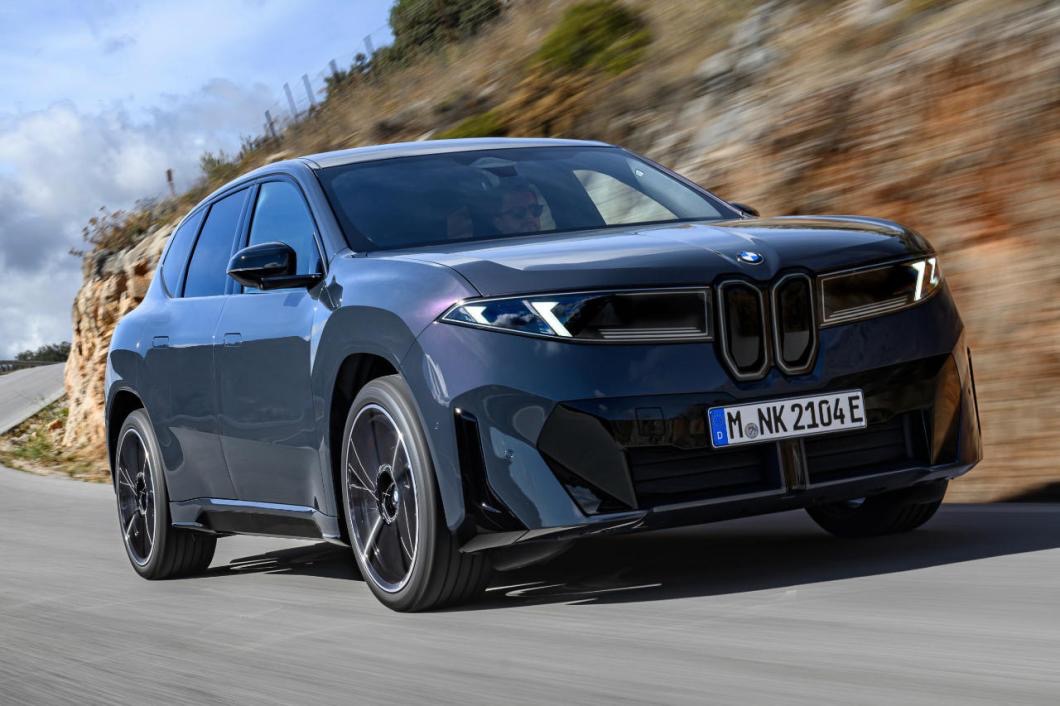
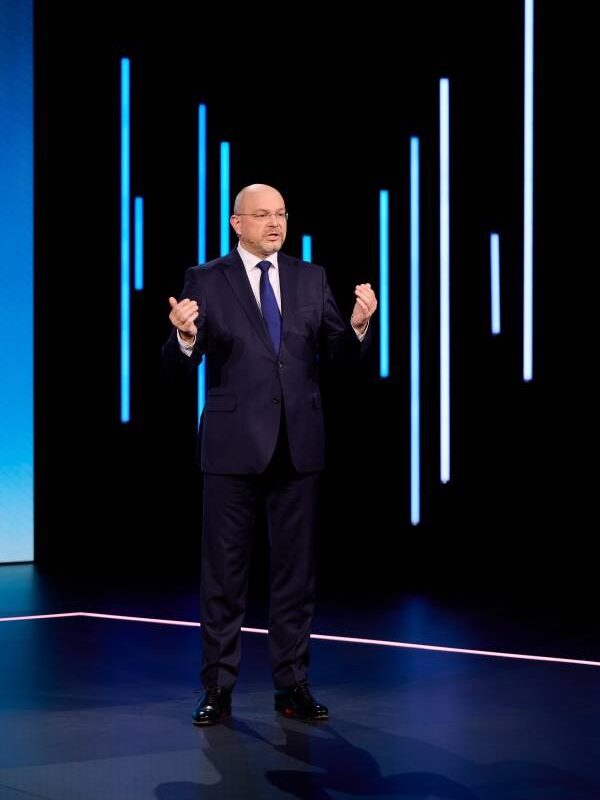
    On Thursday 12 March 2026, the BMW Group presented its financial results for 2025 at its annual conference. In a complex global automotive environment, the Bavarian manufacturer has managed to maintain solid profitability. With growth in electric sales and preparations for the next generation of “Neue Klasse” models, BMW has confirmed its transformation strategy for the years ahead.

    Source : BMW

    Overall stable sales in 2025

    In 2025, the BMW Group delivered more than 2.45 million vehicles worldwide, all brands combined, including BMW, MINI and Rolls-Royce. This volume remains broadly stable compared with the previous year, confirming the manufacturer’s ability to maintain sales despite market uncertainties.

    Source : BMW Group

    In financial terms, the Group posted sales of 133.5 billion euros over the full year. Profit before tax (EBT) came to 10.2 billion euros, with an EBT margin of 7.7%, a level once again identical to that seen in 2024. Net profit was more than 7 billion euros.

    According to Walter Mertl, the Group’s Chief Financial Officer, these results demonstrate the effectiveness of the strategy implemented in recent years, combining financial discipline and diversification of the product offering.

    Source : BMW

    Electric vehicles continue to grow in sales

    The energy transition is also continuing at BMW. In 2025, the manufacturer sold 442,056 100% electric vehicles, a significant increase on previous years.

    These models now account for 17.9% of the Group’s worldwide sales. Including plug-in hybrids, electrified vehicles sold more than 642,000 units over the year. And electrified vehicles are enjoying particularly strong momentum in Europe, where almost 40% of the Group’s sales are of electrified vehicles.

    For Oliver Zipse, Chairman of the BMW Group Management Board, this increase confirms the relevance of the manufacturer’s strategy of ‘technological openness’, which consists of offering several types of engine to adapt to the different realities of world markets.

    Source : ERT

    An increasingly complex automotive environment

    Despite these solid results, 2025 was not without its challenges for the Bavarian group. International trade tensions, regulatory changes and increased competition in certain markets, notably China, have weighed on the economic environment of the automotive sector.

    The Chinese market, in particular, remains a major strategic challenge for premium carmakers. But the rise of local brands in the electric segment is increasing competitive pressure.

    Against this backdrop, BMW expects a slightly lower level of profitability in 2026, with an automotive operating margin of between 4% and 6%.

    The Neue Klasse, the next stage in the transformation

    In addition to the financial results, the annual conference was also an opportunity for the group to reaffirm its long-term vision. BMW’s next technological milestone will be the Neue Klasse, a new generation of electric vehicles that will gradually transform the company’s range.

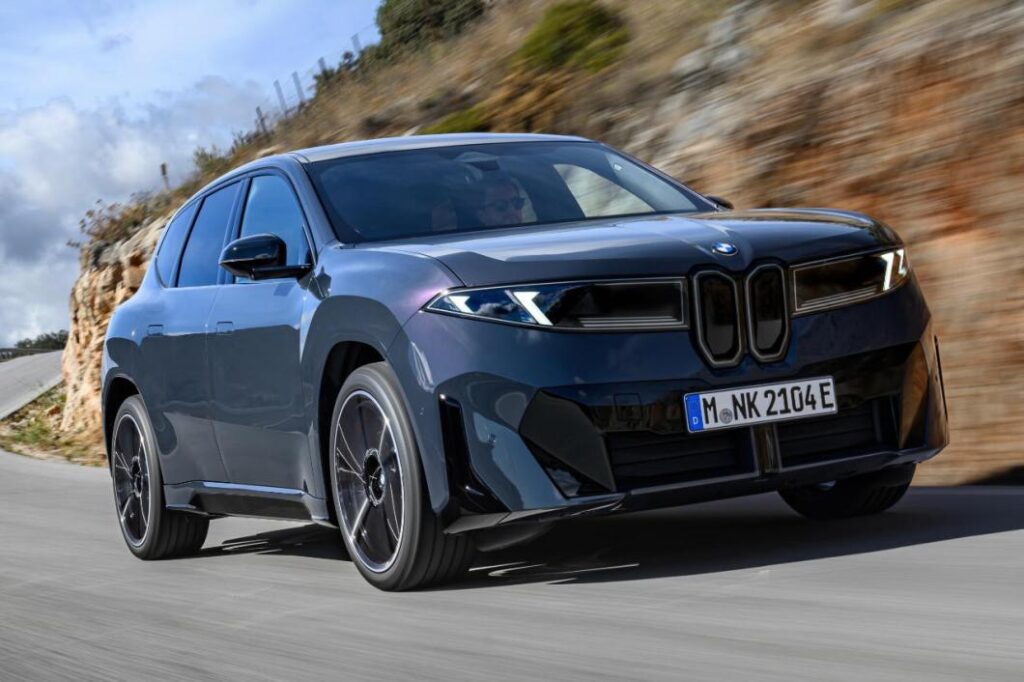
    This dedicated platform promises major advances in energy efficiency, autonomy and software performance. It should also make it possible to reduce production costs and increase the competitiveness of the Group’s future electric models and even those already released, such as the IX3, to name but one.

    Source : BMW

    A strategy of continuity in a changing sector

    The Group continues to invest in electrification, software and new platforms, while maintaining a varied range of powertrains to meet the needs of different markets around the world.

    For the Bavarian carmaker, 2025 looks set to be a year of consolidation, before the arrival of a new generation of vehicles that could mark a major step in the transition to electric vehicles.

  • Rising petrol prices: will electric vehicles benefit?

    Rising petrol prices: will electric vehicles benefit?

    The recent rise in oil prices, fuelled by geopolitical tensions in the Middle East, is beginning to be felt in many parts of the world. In Los Angeles, the price of petrol has passed the symbolic mark of 5.29 dollars a gallon (3.8 litres), an increase of 45 cents in just 15 days. Brent crude is trading at around $105 a barrel. In France, too, prices are on the rise, and this could well lead to an increase in the number of EVs on the road.

    source : Tesla

    Soaring fuel prices speed up the transition to electric vehicles

    In the United States, and California in particular, the first effects could already be visible this month. A AAA survey revealed that 77% of respondents said that saving money on petrol was their main motivation for buying an electric vehicle. A figure that clearly illustrates the unexpected role of fuel in driving the transition.

    Sam Abuelsamid, automotive analyst at the telemetry agency, said: “The last time we saw oil prices above $100 a barrel was in early 2022, and that’s when we saw electric vehicle sales really start to pick up in the US”, before adding: “We’re likely to see an increase in the adoption of electric vehicles and in particular the adoption of hybrids”.

    This trend is confirmed by Brian Maas, President of the California New Car Dealers Assn. Interviewed by the Los Angeles Times, he predicted that enthusiasm for electric vehicles will rise again throughout California if oil prices don’t fall. “If previous spikes in gas prices are any indication, you tend to see interest in more fuel-efficient vehicles,” he said.

    source: California New Car Dealers Assn

    And what about France?

    In France, the trend is similar, with prices rising significantly between 1 and 11 March 2026: diesel rose from €1.721 per litre to around €1.95, SP95-E10 from €1.723 to €1.85, and SP98 from €1.829 to €1.93. This increase is due to a combination of the rise in the price of Brent crude oil ($105-110), geopolitical tensions in Iran and the EEC tax of 16 to 17 centimes per litre since January 2026.

    And the least we can say is that this increase does not please the French. On social networks, they are not hesitating to raise their voices with the keyword #BalanceTonPlein. Now viral, particularly on X, motorists are sharing their bills or their exasperation at the increase in fuel prices.

    But will this change anything for the car market? We can’t say for sure, but what we do know is that the price of petrol is an argument that could tip the balance. In fact, according to a Driveco study carried out with Harris Interactive at the end of 2025, around 20% of French people are considering an electric vehicle for their next purchase. For 42% of them, the reason is the difference in running costs between a combustion and an electric vehicle.

    In conclusion, it would not be surprising to see sales of electric vehicles rise over the next few months, due to the geopolitical conflicts around the world that are impacting on French people’s wallets.

    Buying patterns that could change

    Soaring fuel prices are not just a source of frustration. It could also influence purchasing decisions. When the cost of running an internal combustion vehicle rises sharply, electric and hybrid vehicles naturally become more attractive. If oil prices remain high over the coming months, this dynamic could become even more pronounced, both in the United States and in France.

  • Porsche: a difficult 2025, but a clear strategy for bouncing back

    Porsche: a difficult 2025, but a clear strategy for bouncing back

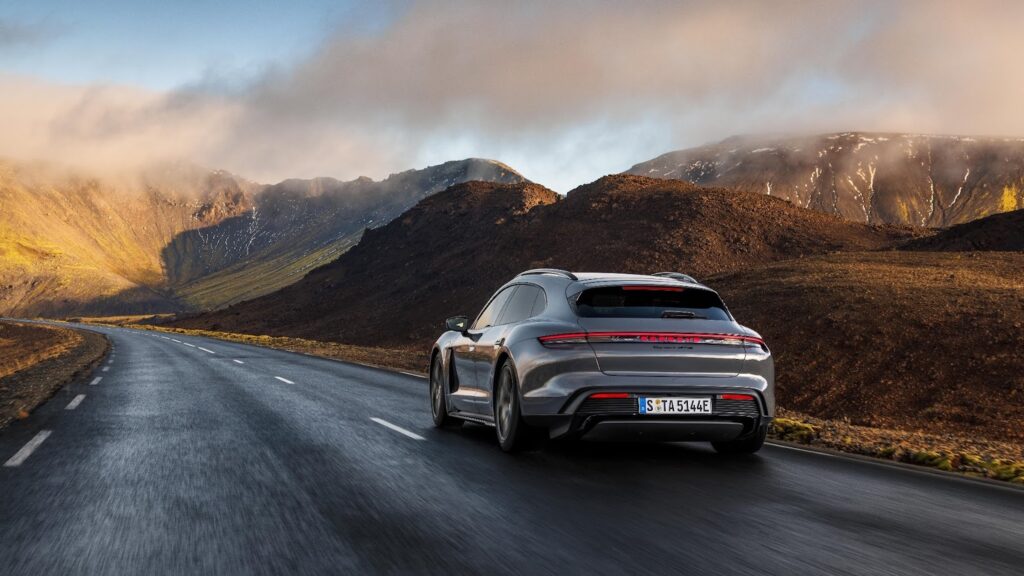
    On Wednesday 11 March 2026, Porsche held its annual press conference to present its financial results for 2025 and detail its strategy for the years ahead. The German manufacturer acknowledged that it had been through one of the most difficult years in its recent history. With declining sales, a sharp fall in profits and a strategic reorientation of the brand, 2025 clearly marks a turning point for Porsche, which is now trying to revive its momentum while continuing its transition to electric vehicles. Almost simultaneously, on the eve of this conference, Porsche presented its new zero-emission model: the Porsche Cayenne S Electric.

    source : Porsche

    2025 results down sharply

    The figures unveiled this morning show a real slowdown. In 2025, Porsche generated sales of €36.27 billion, compared with €40.1 billion in 2024, a fall of around 9.5%. But it is above all profitability that has collapsed. Operating profit (EBIT) fell to 410 million euros, compared with 5.64 billion euros the previous year, a spectacular drop of 92.7%. The operating margin, usually very high at Porsche, fell to 1.1%, compared with 14.1% in 2024, while net profit was €310 million, down 91.4%.

    In terms of volumes, Porsche delivered 279,449 vehicles in 2025, down 10.1% on the previous year. However, 100% electric models accounted for 22.2% of deliveries, in line with the brand’s initial target of 20-22%.

    A number of factors

    According to the manufacturer’s management, a large part of the fall in profitability stems from charges estimated at €3.9 billion. These include €2.4 billion linked to a strategic reorientation of the range, €700 million of depreciation on batteries and €700 million of impact linked to customs duties in the United States since the return of President Trump’s “America First” policy.

    The slowdown in the Chinese market also weighed heavily. In this key market for premium manufacturers, Porsche sales fell by 26%. This is not an isolated decline for the brand; BMW (-12.5%) and Mercedes (-19%) have also been affected. Added to this are the additional costs associated with the transition to electric vehicles, particularly the Porsche Taycan and Porsche Macan Electric, as well as the significant investment in software development carried out with the Volkswagen Group via the Cariad subsidiary.

    “Global challenges and the company’s new direction have had an impact on the 2025 result,” summarised CFO Jochen Breckner at the conference.

    source : Porsche

    A strategy to turn things around

    Faced with this situation, Porsche’s new CEO, Michael Leiters, has presented a strategic plan based on three pillars: ‘Leaner, Faster, More Desirable’. The first pillar, Leaner, aims to make the company leaner by reducing fixed costs, which means that Porsche plans to cut around 1,900 jobs by 2029.

    The second pillar, Faster, is designed to speed up development cycles and concentrate resources on the models that are most important to the brand. Five vehicles now form the core of the product strategy: the Porsche 911, the Porsche Cayenne, the Porsche Macan, the Porsche Taycan and the Porsche 718.

    Finally, the More Desirable theme is intended to reinforce the brand’s emotional image. Porsche wants to continue to focus on personalisation and exclusivity in order to maintain its top-of-the-range positioning, even with potentially lower volumes. “We are repositioning Porsche in an integral way, more efficient, faster and with even more attractive products,” said Michael Leiters.

    source : Porsche

    Electricity remains at the heart of the strategy

    Despite the difficulties encountered in 2025, Porsche is not giving up on electrification. For 2026, the manufacturer is forecasting sales of between 35 and 36 billion euros, with an operating margin that could rise to between 5.5% and 7.5%. The proportion of 100% electric vehicles should remain between 20 and 25% of sales, proof that the energy transition is continuing.

    source : Porsche

    A new electric Cayenne unveiled the day before

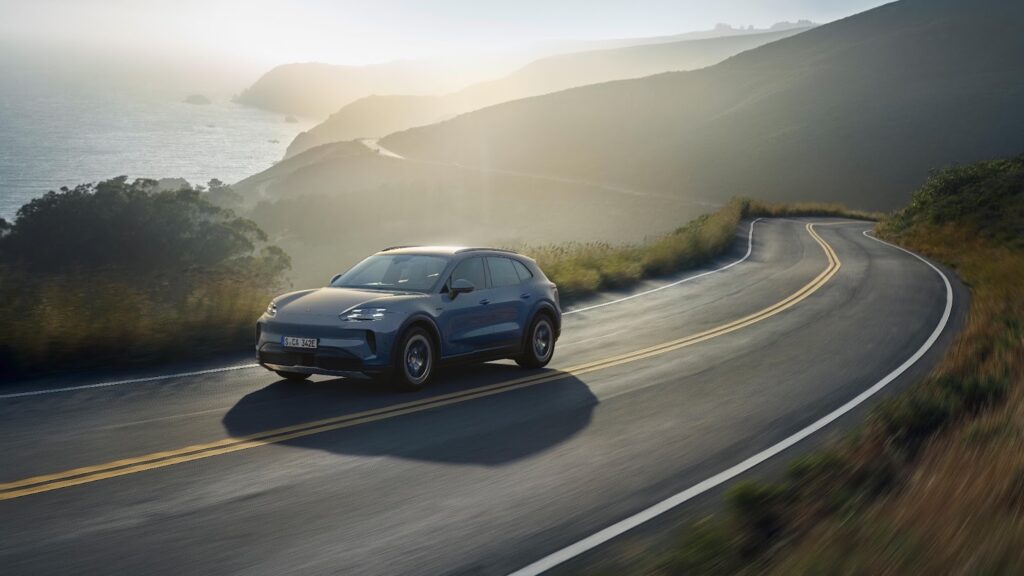
    Electricity never stops for Porsche. On the eve of this annual conference, the German manufacturer presented a new version of its zero-emission SUV: the Porsche Cayenne S Electric. This version completes the Cayenne’s electric range by positioning itself in the middle of the range, between the entry-level Cayenne Electric and the Cayenne Turbo Electric.

    source : Porsche


    Like the other versions of the SUV, this model is based on the Premium Platform Electric (PPE), an 800-volt architecture developed jointly with Audi. The Cayenne S Electric has a power output of 400 kW (544 bhp), which can be increased to 490 kW (666 bhp) with Launch Control, thanks to its dual powertrain and all-wheel drive. Acceleration is faithful to the brand’s sporting DNA, with a 0-100 kph time of 3.8 seconds and a top speed of 250 kph.

    In terms of range and recharging performance, it’s convincing on paper, with the brand announcing a 113 kWh high-voltage battery, giving a range of up to 653 km WLTP. Thanks to the 800 V architecture, recharging power can reach 400 kW at a rapid charging point, taking the battery from 10% to 80% in around 16 minutes.

    source : Porsche

    With this new model, Porsche is seeking to expand its electric range in the premium SUV segment, a strategic market for the brand. The response to the launch of the Cayenne Electric at the end of 2025 shows that Porsche is meeting its customers’ expectations,” explained Matthias Becker, Head of Sales and Marketing.

    A rebound after 2025?

    Despite complicated financial results, Porsche’s management is confident about the future. The year 2025 is presented as a low point in the brand’s transformation cycle, with a rebound expected in the coming years.

    Starting this year, Porsche hopes to gradually return to the level of profitability for which it is renowned in the automotive industry, and to maintain its status as a benchmark in the premium segment.

  • Renault R-Space Lab: the concept that could inspire tomorrow’s electric Mégane

    Renault R-Space Lab: the concept that could inspire tomorrow’s electric Mégane

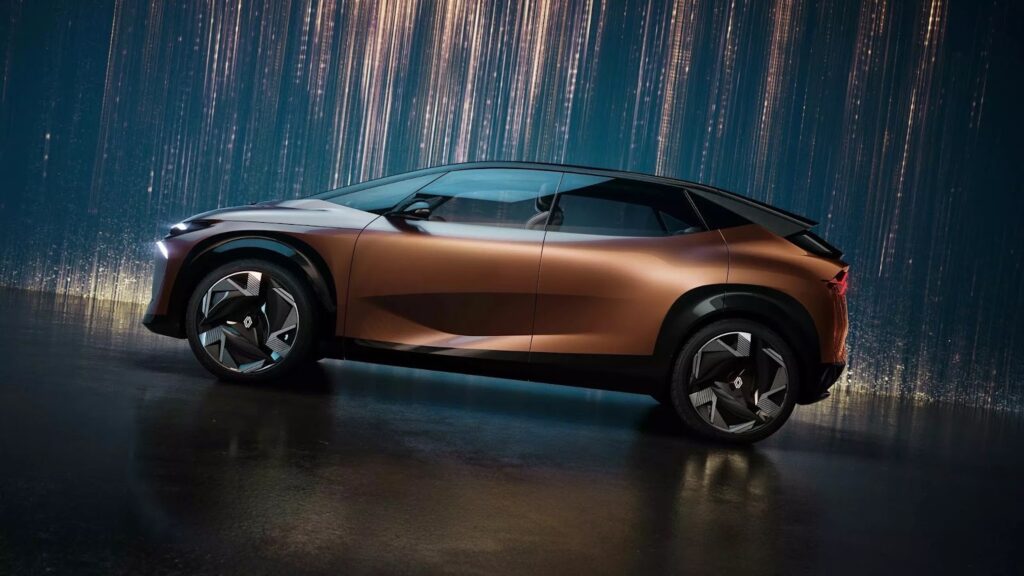
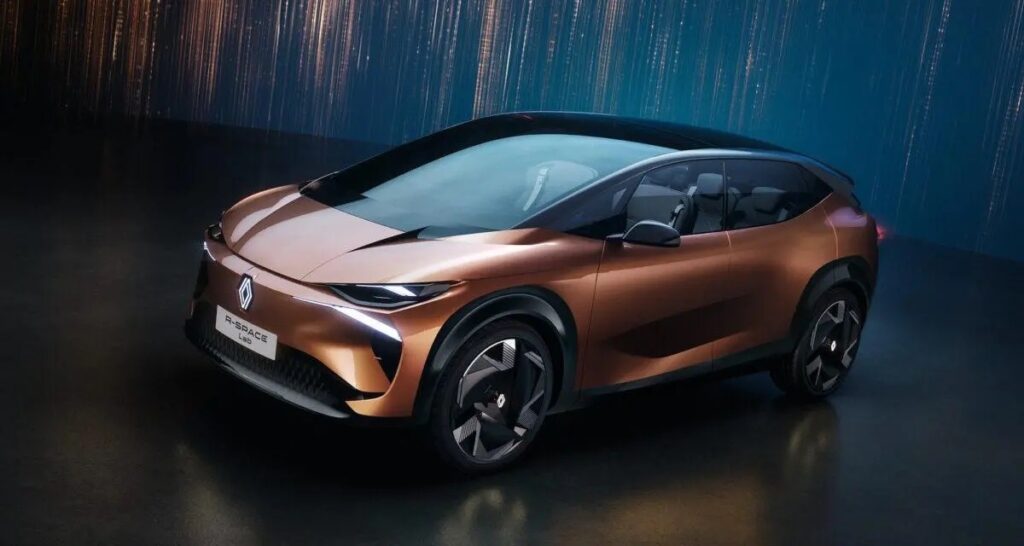
    At the presentation of its new FutuREady strategic plan on 10 March 2026, Renault did more than just announce its industrial ambitions for the end of the decade. The French manufacturer also unveiled an unexpected concept car: the Renault R-Space Lab. More a rolling laboratory (hence the name) than a production vehicle, it is designed to explore what Renault calls “cars for living”. Behind this experimental approach lie a number of technologies and design ideas that could inspire the brand’s next generation of electric models, including a certain Mégane.

    source : Renault

    A concept unveiled at the heart of the FutuREady strategic plan

    We were expecting to see just two prototypes: the Renault Bridger Concept, an electric 4×4 designed to explore the family SUV segment, and the Dacia Striker, a concept estate designed for the Romanian brand. The surprise was complete this morning, when the R-Space Lab was also presented. Renault’s objective is clear: to provide a concrete illustration of the group’s vision for the next decade.

    With 12 new models planned in Europe between now and 2030 and a further 14 for international markets, the carmaker wants to speed up its transformation while placing greater emphasis on the on-board experience. The R-Space Lab is tasked with testing new ideas for interior architecture, safety and digital interfaces.

    A return to the MPV’s roots

    Visually, the concept is surprising in its proportions. At 4.50 metres long, the R-Space Lab is midway between the compact Renault Mégane E-Tech Electric (4.21 m) and the Renault Captur urban SUV. But unlike these models, its design adopts a very pronounced single-volume silhouette, with a windscreen that protrudes well forward and a continuous glass surface that stretches from the bonnet all the way to the rear window.

    source : Renault

    This stylistic choice is in keeping with Renault’s historic tradition of family vehicles centred on space and modularity. In fact, the concept’s name is a direct reference to the Renault R-Space Concept, which was presented in 2011 and foreshadowed several design elements of the Renault Scenic IV launched five years later. Once again, Renault could use this prototype to test the proportions of a future generation of more spacious electric models, potentially somewhere between a compact and an MPV.

    The cabin as a real living space

    But the heart of the project is not in the exterior design. The R-Space Lab has been designed around a simple idea: to transform the interior of the vehicle into a modular living space, capable of adapting to the daily needs of families.

    The front passenger seat thus becomes a truly multifunctional element. It integrates the front and curtain airbags directly into its structure, freeing up space in the dashboard. The glovebox can be transformed into a shelf, a storage space for a bag or even a footrest. The seat can also slide backwards, allowing the front passenger to interact face-to-face with the occupants seated in the rear.

    The rear, we’re talking about it, we’re there. Renault has come up with three independent sliding seats, Renault Espace style, combined with a panoramic glass roof.

    source : Renault

    A giant screen that goes right through the windscreen

    Now it’s time to move on to the technological side of things, where the concept also introduces a number of digital innovations that could rapidly move into production.

    The most spectacular is the OpenR Panorama system, a giant curved screen that extends across the entire width of the windscreen. Inspired by the interface of the Renault Scénic Vision concept, this solution aims to merge instrumentation and infotainment into a single display surface.

    The prototype also adopts a yoke-type steering wheel combined with steer-by-wire steering, i.e. with no direct mechanical link between the steering wheel and the wheels. This system, already used on some models, allows greater freedom in the design of the cockpit.

    source : Renault

    Security rethought thanks to artificial intelligence

    The R-Space Lab also serves as a testing ground for new safety systems. For example, the concept features a device called Safety Coach, which uses sensors and algorithms to analyse driver behaviour.

    In particular, the system can detect signs of drunkenness using integrated tactile sensors, while providing personalised recommendations via on-board artificial intelligence. The aim is to create a permanent interaction between the car and its driver in order to improve road safety.

    A possible glimpse of the electric Mégane of 2028

    Although Renault insists on the experimental nature of the project, a number of clues suggest that some of the R-Space Lab’s ideas could inspire production models. The proportions of the concept, for example, could herald a future generation of longer electric compact cars, at around 4.40 to 4.50 metres.

    Several observers are already talking about a possible second generation of the Renault Mégane E-Tech Electric around 2028, which would adopt proportions closer to those of a compact MPV in order to improve passenger space.

    source : Renault

    Although the R-Space Lab will never be marketed as such, it could well herald a new generation of Renault electric vehicles in which the passenger compartment will become the heart of innovation.

  • Volkswagen: 4 million BEVs delivered… but 50,000 jobs lost

    Volkswagen: 4 million BEVs delivered… but 50,000 jobs lost

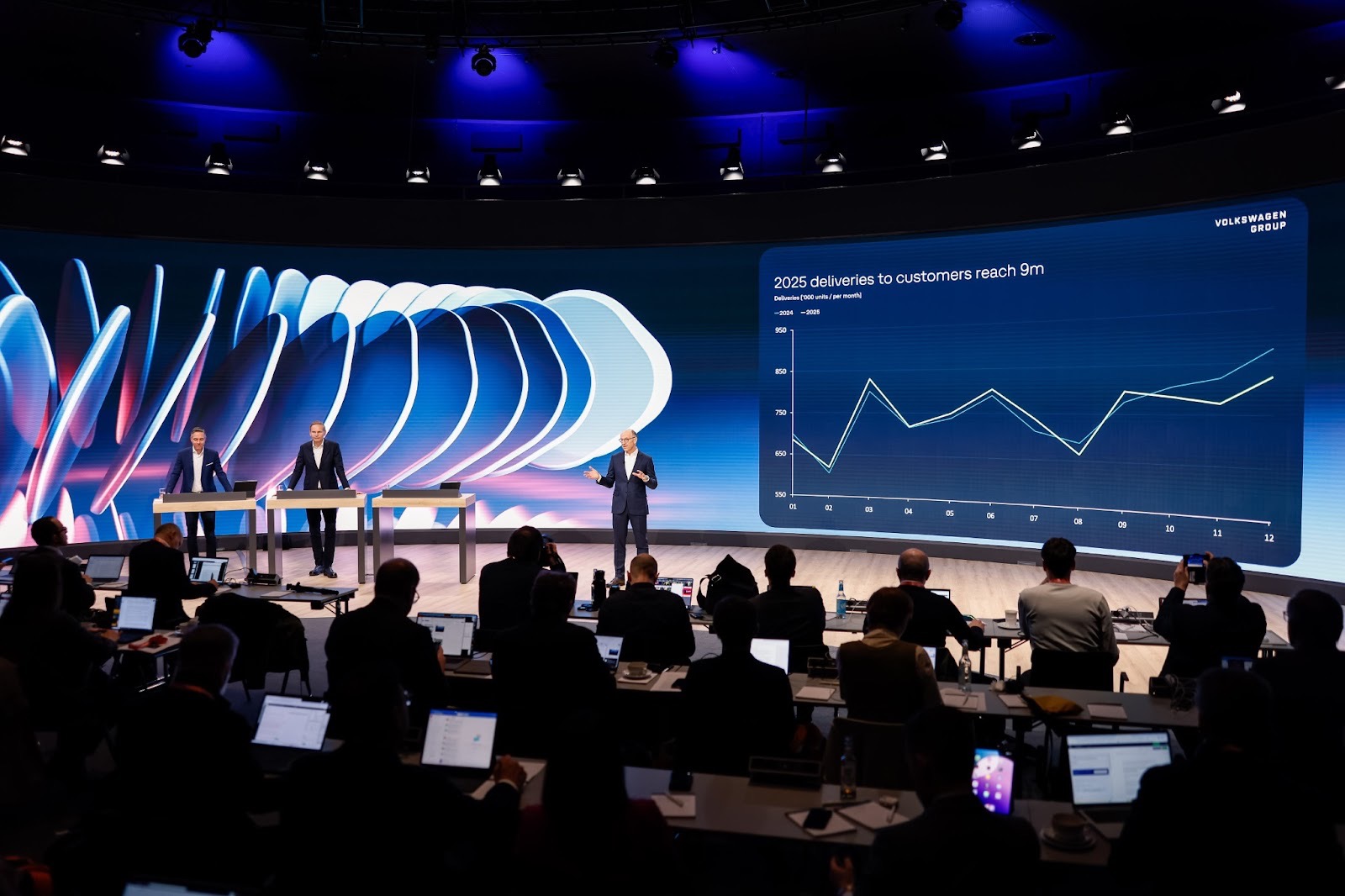
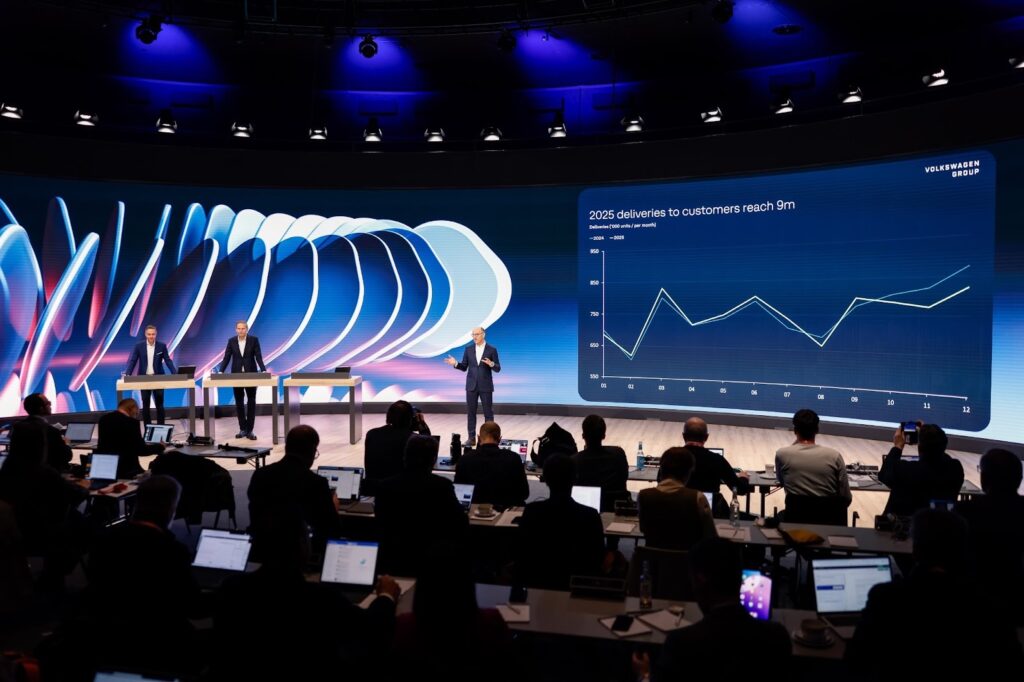
    The Volkswagen Group took advantage of its Annual Media Conference 2026, held on March 10 in Wolfsburg, to unveil its 2025 financial results and detail the progress of its industrial transformation. Chief Executive Oliver Blume and Chief Financial Officer Arno Antlitz drew a mixed picture: the German giant remains one of the world leaders in electromobility, but the energy transition is weighing heavily on its profitability. With 4 million 100% electric vehicles delivered worldwide, the group also announced a shock measure: 50,000 job cuts in Germany by 2030.

    source: Volkswagen Group

    Solid volumes but profitability under pressure

    In financial terms, 2025 is a perfect illustration of the transition phase that Volkswagen is going through. The company recorded sales of €321.9 billion, down slightly on the €324.7 billion recorded in 2024. Worldwide sales also remained at a high level, with 9 million vehicles delivered over the year.

    But profitability deteriorated sharply. Operating income fell by more than 50% to €8.9 billion, compared with €19.1 billion a year earlier. The operating margin fell to 2.8%, its lowest level since Dieselgate in 2016. Oliver Blume insisted on making it clear that 2025 is “a year of financial resilience but margins under pressure.”

    source: Wikipedia


    This fall was mainly due to exceptional charges of €9 billion, linked to a number of factors:

    • 5 billion to adapt Porsche’s electric strategy
    • 3 billion linked to US tariffs
    • 1 billion spent on internal restructuring

    Despite this pressure on profits, the automotive division’s net cash flow reached 6.4 billion euros, up 24% year-on-year.

    Volkswagen confirms its place in global electromobility

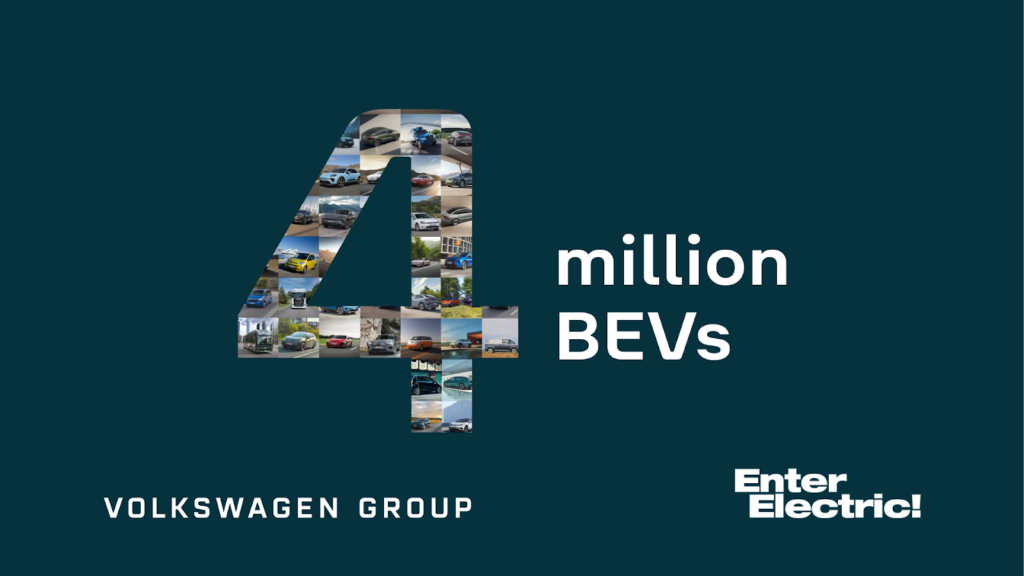
    Despite the worrying figures, Volkswagen sent out a clear message: the BEV strategy remains intact. A few days before the conference, the Group announced that it had delivered a cumulative total of 4 million 100% electric vehicles worldwide (Top 5 worldwide and Top 1 in Europe).

    The conference also revealed, or at least confirmed, that over the last two years the Group has launched almost 60 new models, around a third of which are fully electric. The Group’s BEV range now exceeds 30 models for passenger cars, plus the electric trucks and buses produced by its industrial subsidiary TRATON, which includes Scania and MAN.

    source: Volkswagen Group

    Slowing down is not an option for the group, and the product offensive will continue. Volkswagen is planning more than 20 new models for 2026, around half of which will be 100% electric. Among them is a strategic project for Europe: the Electric Urban Car Family, a new generation of four affordable electric city cars designed to democratise electric mobility in the entry-level segment.

    At the same time, the Group is preparing several new electric models specifically developed for the Chinese market, which has become the centre of gravity of the global energy transition.

    50,000 job cuts: the social shock

    But the most talked-about announcement of the conference concerned the Group’s social restructuring. In his letter to shareholders published with the annual report, Oliver Blume confirms that almost 50,000 jobs are expected to be cut in Germany between now and 2030 within the Volkswagen Group.

    source: Richard Bartz

    This decision goes well beyond the social plan already negotiated in 2024 with the powerful German trade union IG Metall. Back then, an agreement provided for 35,000 job cuts at Volkswagen.

    And while originally only Volkswagen was to be affected, this time several brands are likely to be involved: Audi, Porsche and Cariad.

    The unions are sure to be in the news, but management has insisted on a “socially responsible” approach, based mainly on voluntary redundancies, early retirement and internal redeployment.

    Future Packages: the plan to restore profitability

    To emerge from this transitional phase, Volkswagen is focusing on a vast internal efficiency programme called Future Packages. The objective is clear: to achieve annual savings of more than €6 billion by 2030, using a number of industrial levers.

    In particular, the Group plans to simplify its vehicle range, improve the productivity of its factories and strengthen synergies between its various brands. As a reminder, the Volkswagen Group catalogue comprises several brands, each with its own positioning: Volkswagen, Audi, Škoda, Cupra, Porsche and many others.

    source : Autoactu

    For management, 2025 therefore represents a temporary low point, before an expected recovery from 2026 onwards thanks to the renewal of product ranges and efficiency gains.

    A more difficult electricity transition than expected

    While Volkswagen maintains its ambition to become a “Global Automotive Tech Driver” by 2035, the conference also shows that the energy transition is shaping up to be more complex than expected.

    The group has to deal with a number of simultaneous challenges:

    • the rise of Chinese manufacturers such as BYD and Geely,
    • the slowdown in demand for electric vehicles in Europe,
    • trade tensions with the United States.

    The electricity transition has a price

    With 4 million electric cars delivered, Volkswagen is proving that it now has one of the largest BEV offerings on the world market. However, the announcement of 50,000 job cuts is a reminder that the transformation of the automotive industry into a more energy-efficient sector will require far-reaching industrial change.

    For Volkswagen, the next few years will be decisive. It remains to be seen whether the forthcoming launches will enable the Group to restore its margins and remain the leader it is today.

  • Lotus Eletre X: the hybrid makes its mark

    Lotus Eletre X: the hybrid makes its mark

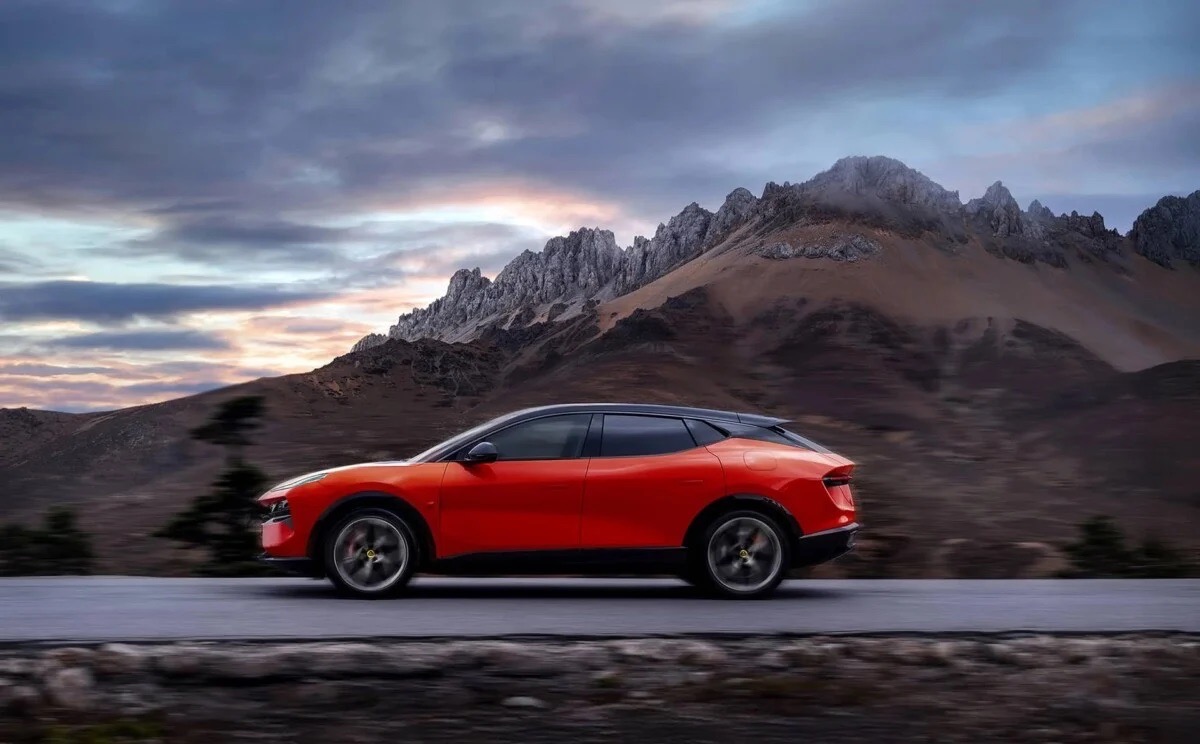
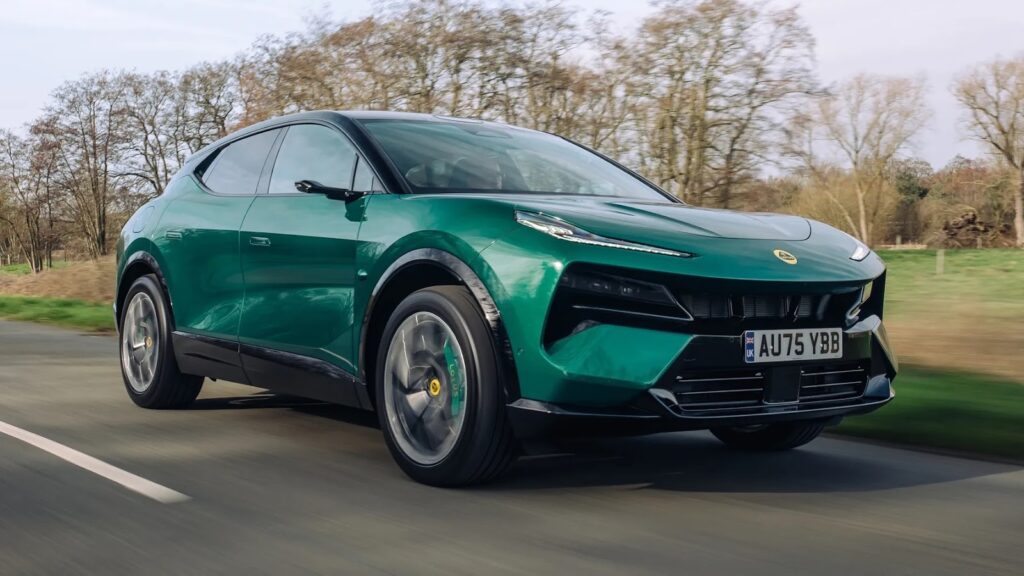
    For several years, Lotus Cars seemed determined to turn the page on combustion engines once and for all. In 2023, the British manufacturer still claimed that the sporty Lotus Emira would be its “last internal combustion car”, as part of a strategy to become a 100% electric brand by the end of the decade. Three years on, the brand has revised its ambitions. With the arrival of the Lotus Eletre X, the British manufacturer is introducing a plug-in hybrid powertrain for the first time in its history.

    source : Lotus

    A revelation from China

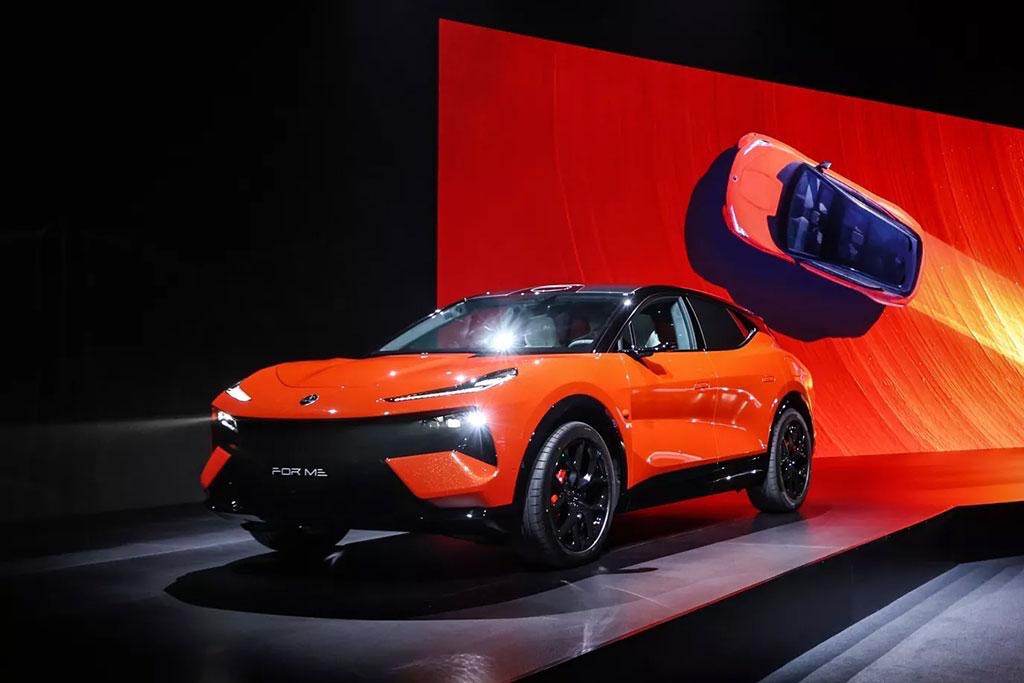
    We’ve known it since 5 December 2025, when the Chinese Ministry of Industry and Technology published an approval file for a vehicle called “Eletre For Me”. Behind this name lies the future plug-in hybrid version of the 100% electric SUV launched by Lotus in 2023.

    source: Automobile sportive

    Confirmed by Lotus Cars at the beginning of 2026, the timetable is now clear: the first deliveries are expected in China at the end of March 2026, before a European launch scheduled for June. The French market should be served a few months later, by the end of the year.

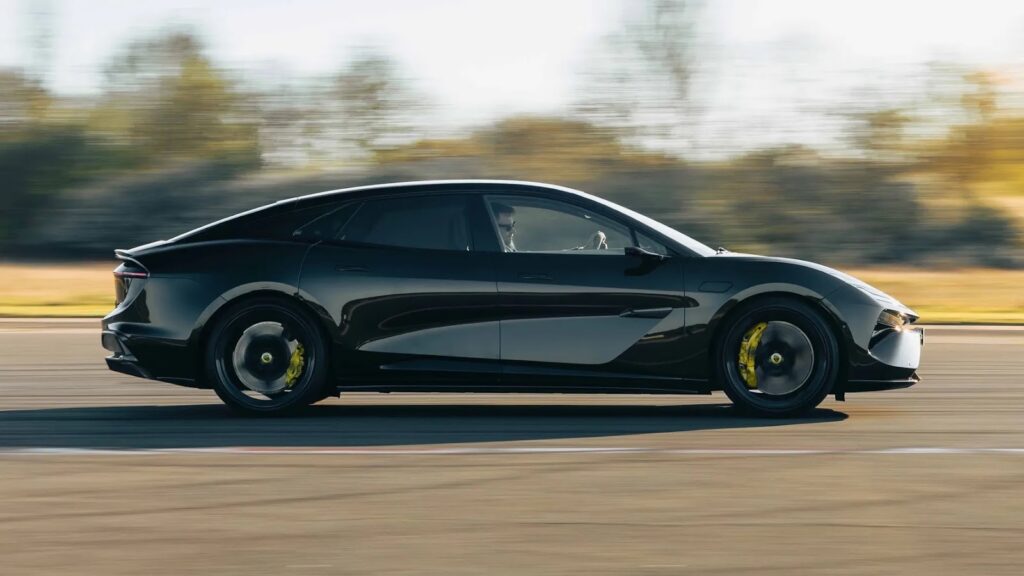
    This development comes at a particular time for the manufacturer. Although the brand’s electric models, in particular the Lotus Eletre and the Lotus Emeya saloon, have enabled Lotus Cars to achieve a record 12,134 worldwide deliveries in 2024, their volumes are still below the manufacturer’s initial ambitions, which were initially aimed at more than 25,000 annual sales in the medium term.

    source: TopGear

    An even more powerful hyper-SUV

    In technical terms, the Lotus Eletre X not only adds a combustion engine to the existing electric SUV, it also becomes the most powerful version in the range. The hybrid system develops a total output of 952 bhp, compared with ‘just’ 918 bhp for the all-electric version. The performance is equally impressive, with a 0-100kph time of 3.3 seconds and a top speed of 230kph.

    The most striking change is in terms of range. Lotus has adopted a more compact battery supplied by CATL. Its capacity has been reduced from 112 kWh on the electric version to 70 kWh on this plug-in hybrid variant. Despite this reduction, range in electric mode remains particularly high for a PHEV: 420 km according to the CLTC cycle, which corresponds to around 350 km on the European cycle (WLTP). With the internal combustion engine, total range then exceeds 1,200 kilometres.

    Ultra-fast charging for a plug-in hybrid

    The other major innovation concerns recharging. The Lotus Eletre X is based on a 900-volt electrical architecture capable of handling up to 430 kW of power.

    Thanks to this technology, the battery can go from 20% to 80% charge in just nine minutes. An unprecedented figure for a plug-in hybrid vehicle. This is far more efficient than some of its rivals, such as the Porsche Cayenne Turbo E-Hybrid or the Range Rover Sport P550e.

    A sign of a change in strategy

    Above all, the arrival of this hybrid version illustrates a change in strategy for Lotus. When the Chinese group Geely relaunched the British brand in 2017, the stated aim was to transform Lotus into an all-electric premium manufacturer.

    But the dynamics of the car market have evolved more slowly than expected. In China, plug-in hybrids now account for almost 40% of new car sales, compared with around 15% for 100% electric models.

    The Lotus Eletre X could thus become the first representative of a new generation of Lotus hybrid models. According to industry indications, the Lotus Emeya saloon could adopt similar technology around 2027, while the sporty Lotus Emira could follow in 2028.

    source: TopGear

    This scenario would mark the end of the “all-electric” strategy announced a few years ago.

  • The French technology behind the flying taxi revolution

    The French technology behind the flying taxi revolution

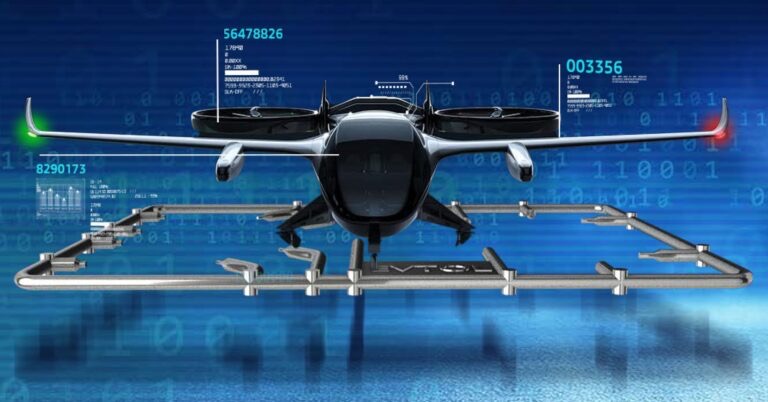
    As the global race for flying taxis intensifies, one question is on everyone’s lips: how do you rapidly design, certify and industrialise aircraft as complex as eVTOLs? To meet this challenge, the French group Dassault Systèmes is putting forward a technological approach that could well become an industry standard. In a technical paper entitled Getting Cleared for Takeoff, expert Roberto Licata explains how the company’s digital platforms can accelerate the development of these new electric aircraft.

    source : Dassault Systemes

    A market that could exceed $1,000 billion

    According to several projections cited in the document, the eVTOL industry – these electric aircraft with vertical take-off and landing – could reach 300 billion dollars by 2030, then more than 1,000 billion dollars by 2040.

    These aircraft are at the heart of the Advanced Air Mobility (AAM) concept, which aims to transform urban and regional mobility using electric flying taxis capable of vertical take-off. According to some analyses, future urban air transport fleets could even overtake those of the biggest airlines in terms of the number of aircraft and frequency of flights within the next decade.

    Obviously, in this context, the first players capable of certifying and industrialising their devices will have a clear lead.

    source : NASA

    Roberto Licata, expert in advanced air mobility

    This is precisely the analysis made by Roberto Licata, Solution Experience Director for the Aerospace & Defense industry at Dassault Systèmes. He specialises in model-based systems engineering (MBSE), design and simulation.

    Today, it manages a portfolio of solutions in three key areas:

    • New Space,
    • Advanced Air Mobility,
    • technological innovation.

    Its message is clear: to develop a competitive eVTOL, it is no longer enough to use separate engineering tools. You need to adopt a holistic approach, capable of connecting design, simulation, certification and production in a single digital environment.

    Source : Dassault

    The unprecedented complexity of eVTOL aircraft

    One of the major challenges facing the sector is the technical complexity of these new aircraft. An eVTOL combines several critical technologies:

    • advanced aerodynamics (multiple rotors, hybrid architectures),
    • electric propulsion and high-density batteries,
    • digital avionics and fly-by-wire,
    • aeronautical certification is still under construction with the authorities.

    The combination of all these technologies needs to be simulated to fully understand the ins and outs of the project. Whereas in the past, simulation was often used at the end of the development cycle, it is now a central part of the design process, enabling numerous configurations to be tested virtually even before a physical prototype is built.

    A digital platform for simultaneous design and simulation

    To meet these challenges, Dassault Systèmes is showcasing its 3DEXPERIENCE cloud platform, which combines design, simulation and data management in a single environment. This approach, known as MODSIM (Modeling + Simulation), is based on a simple principle:

    • a single data model for design (CAD) and engineering (CAE),
    • teams working simultaneously on the same digital environment,
    • much faster design iterations.
    source : Dassault Systemes

    In practical terms, this avoids the loss of information and software incompatibilities that are often responsible for delays in aeronautical programmes. The potential gains are significant:

    • 20 to 40% reduction in preliminary design time,
    • 40 to 60% faster convergence towards an optimal design,
    • 20 to 40% faster resolution of non-conformities,
    • 10 to 25% reduction in certification time.

    Accelerating certification, one of the biggest challenges

    In the aeronautics industry, certification is often the longest and most costly stage. For eVTOLs, the situation is even more complex: authorities such as the FAA in the United States and the EASA in Europe are still working to define the safety standards for these new aircraft.

    The proposed approach involves integrating certification requirements right from the design phase, using simulations to test critical scenarios virtually:

    • crashworthiness,
    • bird strikes,
    • electromagnetic interference.

    This model-based strategy means that problems can be anticipated rather than being discovered late during physical testing.

    Preparing production even before the first flight

    Beyond technical development, one of the major challenges for eVTOL start-ups remains industrialisation. Moving from a functional prototype to mass production represents a major transformation.

    The 3DEXPERIENCE platform also enables :

    • virtually simulate assembly lines,
    • optimising industrial tooling,
    • synchronise suppliers and the supply chain.
    source: h24info

    European start-ups already committed

    Several companies in the sector are already using these tools. These include :

    • Ascendance Flight Technologies, a Toulouse-based start-up developing a hybrid vertical take-off aircraft,
    • Vertical Aerospace, British manufacturer of electric aircraft,
    • Zuri, a European start-up working on an accessible VTOL.

    All use the Dassault Systèmes cloud platform to manage design, simulation and collaboration between teams.

    source: Ascendance Flight Technologies

    A global technological battle

    Advanced air mobility is now one of the most competitive sectors in aeronautics. In this battle, technology is no longer limited to engines or batteries: digital tools are also becoming a strategic advantage.

    And if flying taxis do one day take off in our cities, part of their success could well have been conceived… in a French virtual environment.

  • Singapore: the city-state where electric cars already account for more than 45% of sales

    Singapore: the city-state where electric cars already account for more than 45% of sales

    Covering just 725 km², Singapore is becoming one of the world’s most advanced electromobility laboratories. Thanks to a very proactive public policy, the city-state is now showing impressive results, with electric vehicles being adopted much more quickly than in most other major metropolises.

    An explosion in sales of electric vehicles

    The progress of electric vehicles in Singapore has been spectacular, to say the least. At the end of 2022, there were just 6,531 electric vehicles on the island, barely 1% of the total fleet.

    Three years later, at the end of 2025, the situation has changed radically. In fact, 23,684 100% electric cars were registered out of a total of 52,678 new car sales, representing 45% of the market. For the first time, electric vehicles have overtaken both hybrids (38.8%) and internal combustion engines.

    The momentum continues into 2026, with almost 9,000 electric cars already sold between January and February. The total fleet is now approaching 46,000 electric vehicles on the island.

    This rapid growth has been driven in particular by the massive arrival of Chinese manufacturers such as BYD, which has taken the lead over Tesla in the local market.

    One of the densest recharging networks in the world

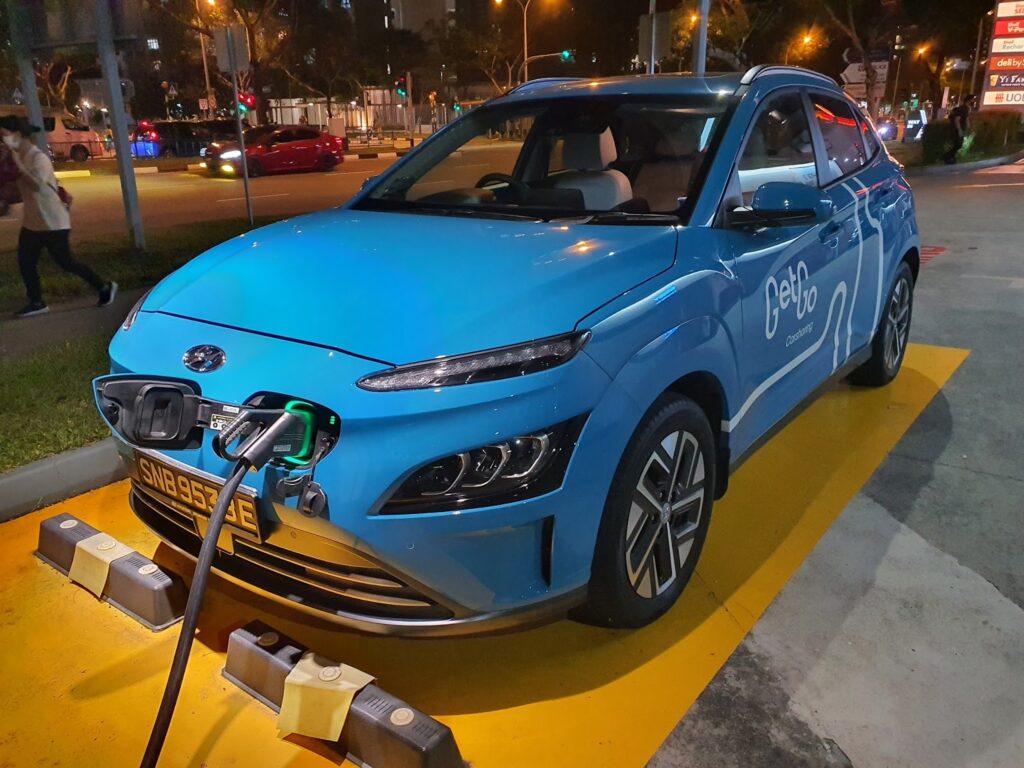
    To support this transition, Singapore is rolling out one of the most ambitious recharging infrastructures in Asia. In 2022, the city-state already had around 2,500 charging points. By the end of 2025, this figure had risen to more than 6,000 charging points.

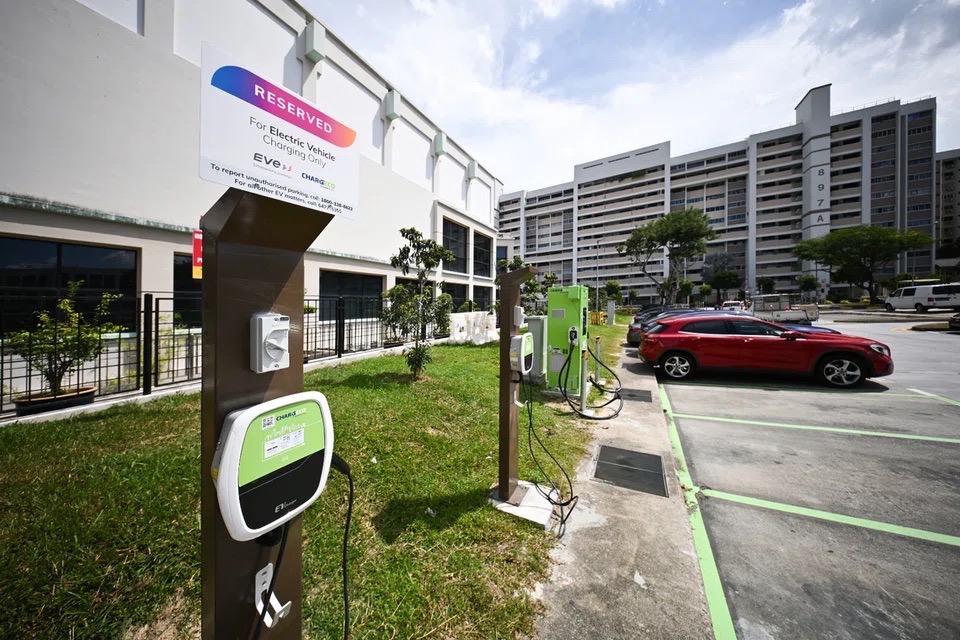
    The rollout is being steered by the Land Transport Authority and local operator EVe Charging, with a clear target of 60,000 charging points by 2030.

    source : LIM YAOHUI

    This drive to increase the number of charging points is also evident in public car parks. Since 2024, they have been required to reserve at least 1% of their spaces for charging points. At the same time, a partnership with Huawei has enabled the installation of ultra-fast chargers capable of reaching 360 kW.

    A structured government strategy

    And if these figures are significant, it’s not by chance: the transition is framed by the national Singapore Green Plan 2030, adopted in 2021. It sets a number of key objectives:

    • 2040: 100% clean energy vehicles (electric or hydrogen)
    • 2030: 50% of taxis and buses will be electric
    • 60,000 charging points installed
    source: SG Green Plan

    This strategy is coordinated by the National Electric Vehicle Centre, which oversees research, standardisation and the development of the ecosystem.

    Some of the most aggressive financial support in Asia

    To speed up adoption, the Singaporean government has introduced a particularly generous system of incentives. Under the Early EV Incentive scheme, private individuals can benefit from a tax reduction of up to 45% on the price of an electric vehicle. The installation of home charging points is also subsidised up to 50% of the cost, up to a maximum of S$4,000.

    Businesses have not been forgotten: since the beginning of 2026, electric lorries have been eligible for subsidies, while electric taxis have benefited from an extended period of operation.

    Constraints unique in the world

    Despite these impressive results, Singapore faces a number of structural constraints.

    • The first obstacle is the extremely high cost of the car, linked to the COE (Certificate of Entitlement) system. Even an electric vehicle like the Tesla Model Y can cost in excess of €150,000 once all taxes are included.
    • Extreme urbanisation is another challenge: with almost 5.9 million inhabitants living in an area of 725 km², private car parks are rare, making it difficult to recharge at home.
    • Finally, the local tropical climate, with temperatures around 30°C and high humidity, can reduce the actual range of the batteries by 10 to 15% compared with the WLTP standards.

    The models and players that dominate the market

    The Singapore market is currently dominated by a handful of major players.

    Chinese manufacturer BYD has been the market leader since 2023, thanks in particular to the BYD Atto 3 and BYD Seal models.

    Tesla is still very present with its Model 3 and Model Y, while Hyundai is gaining ground with the Hyundai Ioniq 5 and Hyundai Ioniq 6.

    Public fleets are also playing a leading role: some sixty electric buses are already on the road, and half the taxi fleet should be electrified by 2030.

    A global laboratory for electric mobility

    With 45% of new car sales to be electric by 2025, Singapore is demonstrating that a rapid transition is possible even in an ultra-dense and constrained territory.

    With its massive recharging infrastructure, strong financial incentives and clear policy planning, the city-state is now one of the world’s most advanced electromobility laboratories. A model that could inspire other major cities facing the same urban challenges.