Author: Julien Chassagne

  • What consumers say

    What consumers say

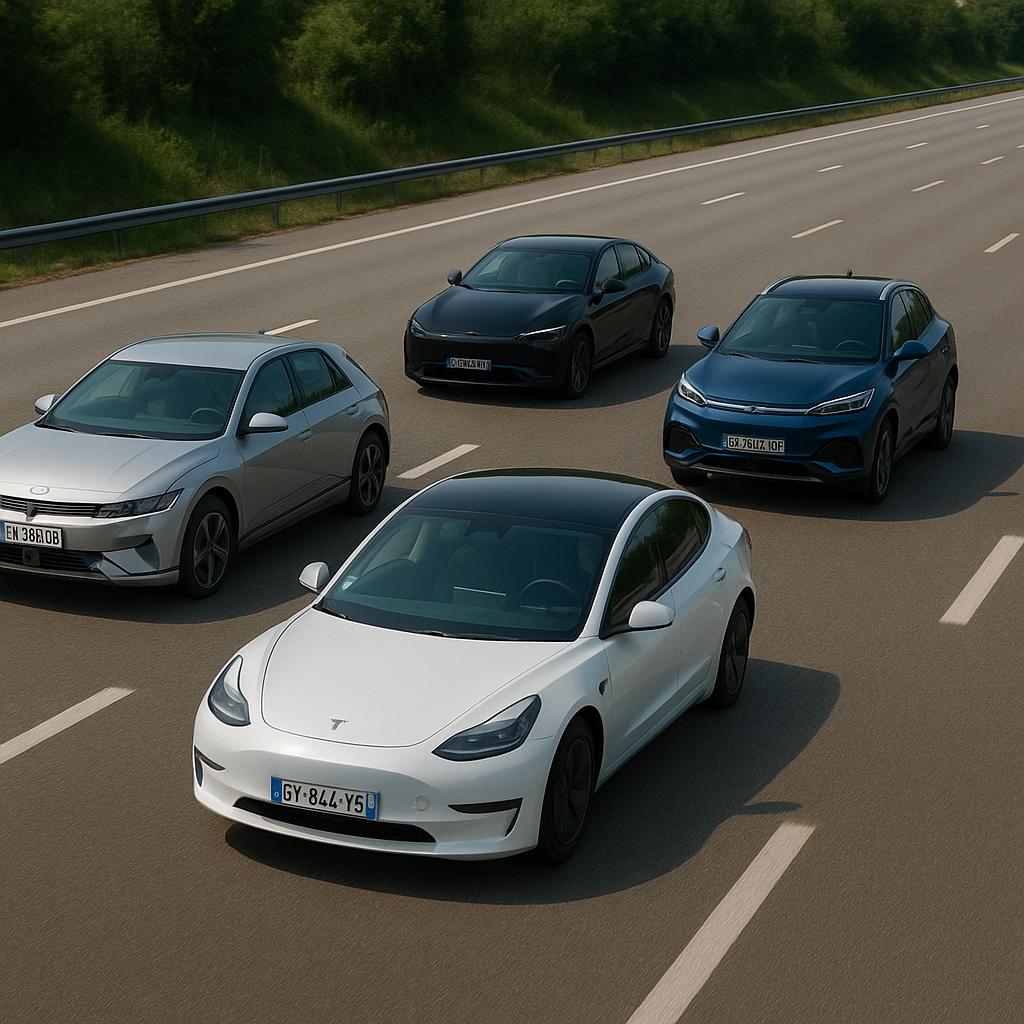
    ECO MOTORS NEWS interviewed 5 electric car owners in order to gain a better and more concrete understanding of what motivates drivers to go electric and, above all… to stick with it! Although their answers sometimes differed, they all agreed that it took them no more than a few days to adapt to driving electric. We also asked each of them how likely they were to go back to combustion engines one day. So, do they regret their choice?

    Charles. Content creator (Weelyke) / Hyundai Ioniq 6 / Electric for over three years

    The thing that made me switch to electric was clearly the low running costs. Since then, I’ve come to appreciate the comfort, the quiet ride and the maximum torque that’s immediately available. The fact that I don’t have to go to service stations any more, with the recurring savings that that brings, is great too! On the other hand, it took me a while to learn about the specific ecosystem of electric mobility, to understand the different charging powers and to plan my stops accordingly.
    Probability of going back to combustion: 0%.
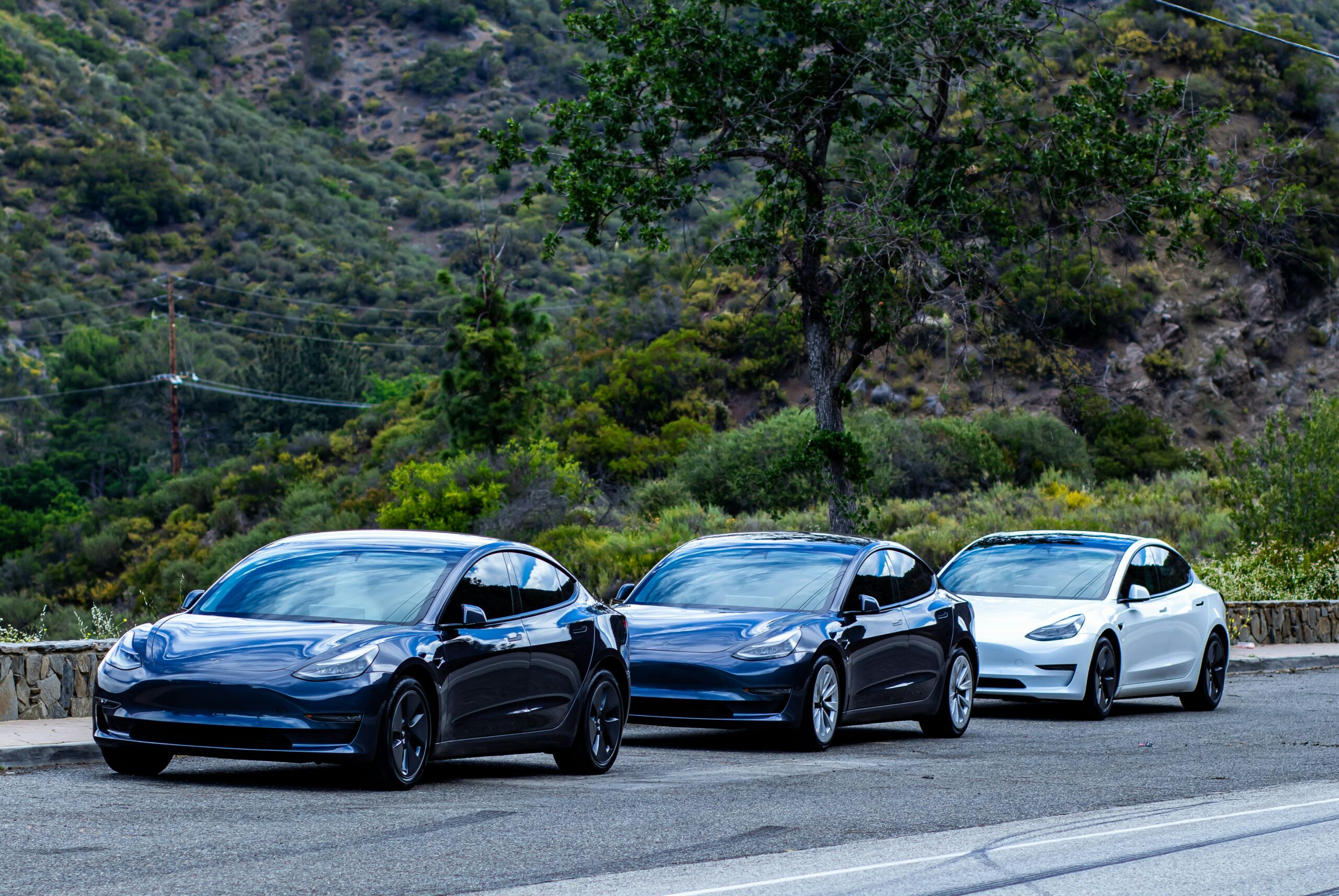
    Jordan. Chartered accountant / Volkswagen ID.7 / Electric for less than a year

    I received an attractive offer on an electric model and decided to take the plunge. There’s no vibration, it’s quiet, it picks up quickly, and it’s ready to go every morning after recharging at home… To be honest, I didn’t notice any disadvantages compared with my old internal combustion engine. And the transition has been easier than I imagined!
    Probability of returning to combustion: 0%.

    Quentin. Delivery driver / MG5 / Electric for over three years

    For me, the catalyst was the prospect of “driving for free thanks to the sun”. In fact, combining domestic photovoltaic panels with an electric car means converting solar energy into kilometres without the need for a checkout. On a daily basis, it’s the torque available at any speed without having to downshift, and therefore without jerking, that I appreciate most. The only thing I don’t like about the internal combustion engine? The smell of diesel! (laughs)
    Probability of returning to combustion: 0%.

    Sandrine. School teacher / MG4 / Electric for over a year

    I wanted to replace my economical city car, and compared with the models available in this category, the electric version offered the lowest running costs. Since then, I’ve noticed – as many electric car enthusiasts do – the savings per kilometre, both on the energy bill and on maintenance, which is also cheaper than on my small internal combustion car. The fact remains that with a real range of around 300 km, you still have to deal with multiple recharges on long journeys… I’m willing to make a compromise, because the financial aspect makes up for it, but, in my opinion, the internal combustion engine still has the advantage on very long journeys for the time being.
    Probability of going back to combustion: 0%.
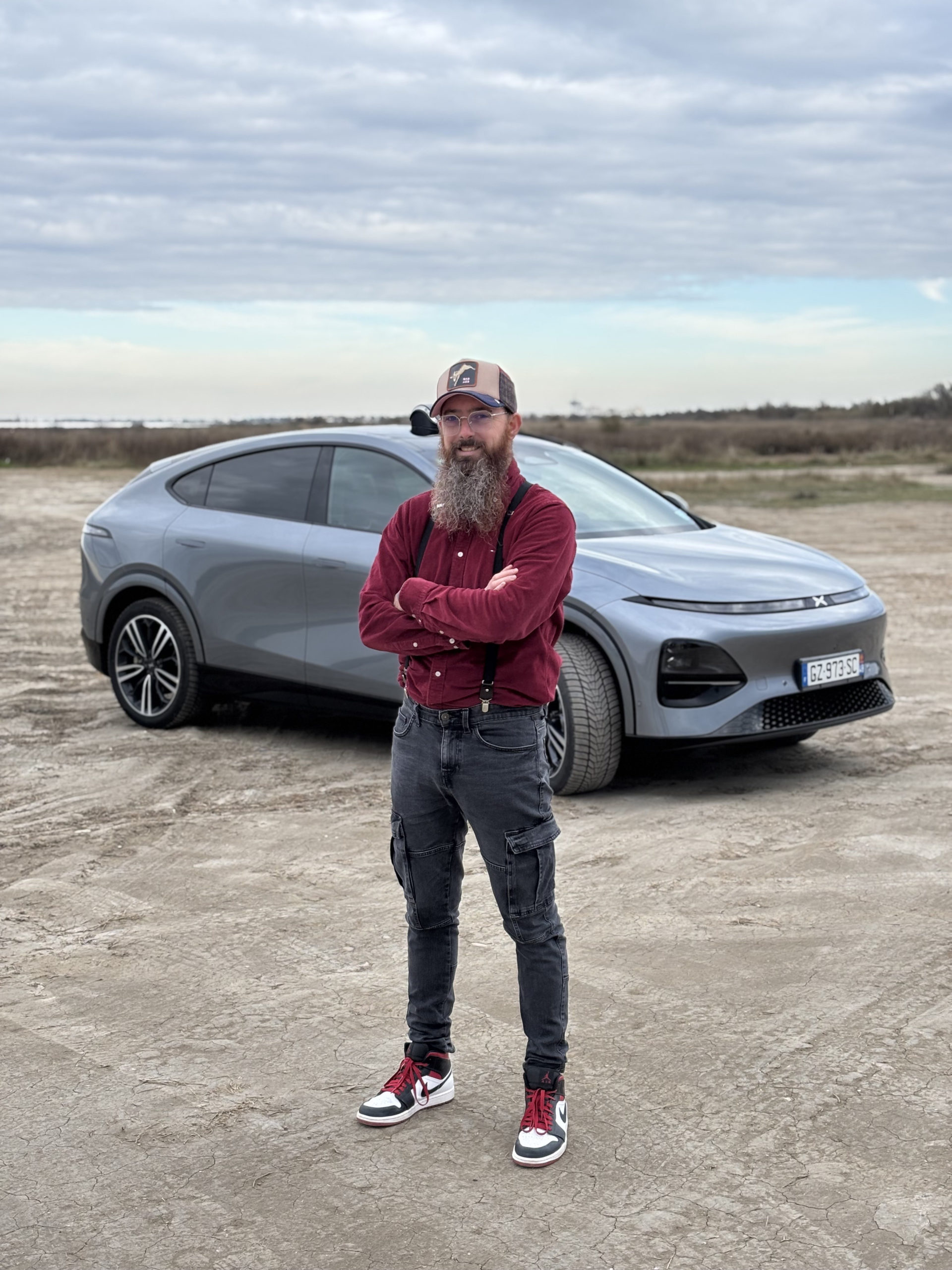
    Valentin. Taxi driver and content creator (TaxiEnVE) / XPENG G6 / Electric for over a year now

    As a taxi driver, the prospect of halving, or even two and a half times, the cost of running my vehicle was very appealing. Since I switched to electric vehicles, I’ve been able to confirm these savings on a daily basis. To be honest, I can see nothing but benefits in this transition. Financially, in terms of driving comfort and reliability, I have no regrets!
    Probability of going back to combustion: 0%.
  • True or false? 10 common misconceptions about electric cars!

    True or false? 10 common misconceptions about electric cars!

    While electric mobility is becoming increasingly popular, preconceived ideas about it are multiplying. That’s why ECO MOTORS NEWS has sifted through 10 persistent clichés about electric cars to sort out the real from the fake…

    Credit: Jeffrey Correa

    “Electric cars pollute more than combustion cars because of their batteries”.

    False. Provided, of course, that you take into account the entire life of the electric car, from manufacture to scrapping, in your calculations. In fact, the CO₂ emissions that result from its manufacture are higher than those recorded during the manufacture of a combustion-powered car. It’s simple, most sources agree on one figure: during the manufacture of a battery, one kWh = 150 to 200 kg of CO₂ into the atmosphere. But, in use, the electric car quickly repays this debt by emitting, according to the Agency for Ecological Transition (ADEME), up to 20 times less CO₂ per kilometre. But it’s at the end of the dance that we pay the musicians. So what about a complete life cycle? Still according to ADEME, an electric car will have emitted 75g of CO₂/km compared with 190g CO₂/km for a combustion engine, i.e. 2.5 times less!

    “An electric car has zero emissions

    False: the media, manufacturers and even politicians generally use this shortcut to make a point. But as we saw earlier, the manufacture of the battery in particular, but also the origin of the electricity used to recharge an electric car, (slightly) increases its emissions.

    Credit: DR

    “Electric car batteries don’t last more than 3 years”.

    False. This persistent cliché stems from a lack of hindsight when it comes to the longevity of batteries, as the market was still in its infancy and for a long time there was insufficient data to establish an average. Today, it’s possible to say that a battery lasts between 8 and 12 years, and can be driven well over 100,000 kilometres. Batteries can then be reused in other, less energy-intensive applications, or simply recycled.

    “Electric car batteries cannot be recycled”.

    False: lithium-ion batteries, the most widely used today, can be recycled, and up to 95% of the materials used can be recovered! Admittedly, the industry is still a little ‘green’, but it is gaining in maturity and recycling plants have been or will soon be built to keep pace with the increasing volume of electric cars sold, whose batteries will one day have to be recycled.

    “Electric cars are cheaper to run”.

    True. Electric cars are generally more economical to run than their internal combustion counterparts. Depending on the model – and the driver’s driving style! – The TCO (Total Cost of Ownership) of an electric car is much lower than that of an equivalent internal combustion engine, and the monthly running cost can be up to 50% lower. The main reason is, of course, the savings on fuel, but maintenance, which is less frequent and involves fewer parts that are expensive to manufacture, is also less expensive.

    Credit: Hyundai Motor Group

    “It takes too long to recharge an electric car”.

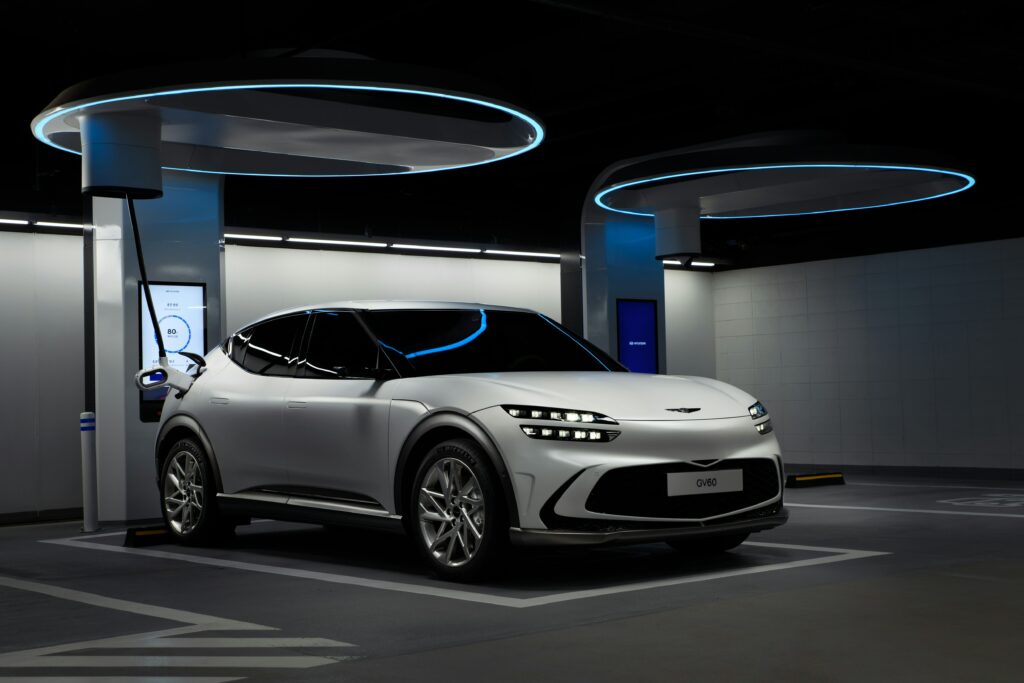
    True and false: recharging time depends on the power of the charging point and the capacity of the battery. Recharging at home can take up to seven hours, but on the motorway, fast-charging stations usually charge up to 80% in 30 minutes, or even 20 minutes depending on the supplier. That’s still longer than filling up with petrol, especially if you add the queues, but the constant increase in the number of charging points and the technological innovations under way will soon make it possible to shorten the length of stops even further.

    “Electric cars catch fire more often than internal combustion cars”.

    False. This cliché is tenacious. However, in early 2024, the US National Transportation Safety Board carried out a study that put an end to the debate. For every 100,000 100% electric cars sold, there were 25 fires. On the internal combustion side, 1,530 petrol vehicles caught fire for every 100,000 sold! It’s true, however, that putting out an electric car fire requires a lot more water, and that hybrids are more prone to fires than their electric and internal combustion counterparts. Perhaps that’s where the confusion comes from…

    “Electric cars are too expensive

    True, for the moment! The average purchase price of an electric car is higher than that of a combustion engine. But subsidies and the savings you make when you use the car will help to reduce the bill a little over time. And it’s a well-known fact that the more a market is democratised, the more prices fall. If we add to that the booming second-hand market, this statement will soon be nothing more than an old cliché…

    Credit: Martin Katler

    “It is impossible to make an electric car profitable”.

    False. On average, in France, an electric car costs its owner between €150 and €200 a month in fuel, maintenance and insurance – the rent and purchase price are included in the TCO – compared with €400 to €800 for a combustion engine. If we take the high average for electric cars and the low average for internal combustion, we still get a difference of €200 per month. For an electric car that costs €10,000 more than its internal combustion equivalent, it will take less than five years to find its way around.

    “The actual range of electric cars is much less than advertised”.

    True, because of the WLTP (Worldwide Harmonized Light Vehicles Test Procedure) protocol used to calculate the range announced on the technical data sheet. This protocol, like most standardised protocols, is not yet capable of recreating real-life driving conditions. As a result, it has been found that actual range can be between 10% and 30% less than the advertised range. Variations that depend on the owner’s driving style, the type of roads travelled, the climate, whether or not the air conditioning and heating are used – in short, just like on a combustion engine!

  • Electric cars: everything you need to know about home recharging

    Electric cars: everything you need to know about home recharging

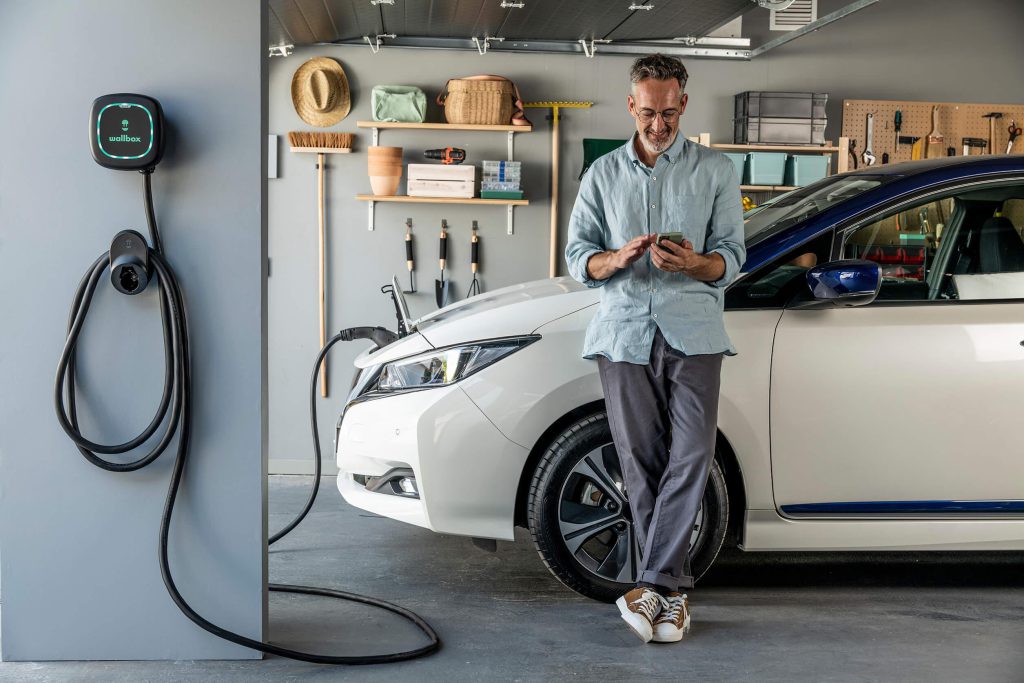
    Practical and economical, home recharging is the preferred solution for electric car owners, nearly 90% of whom have one. Whether conventional or wall-mounted, in the garage or the car park of a condominium, it’s always advantageous and sometimes lucrative. Here’s everything you need to know about home charging.

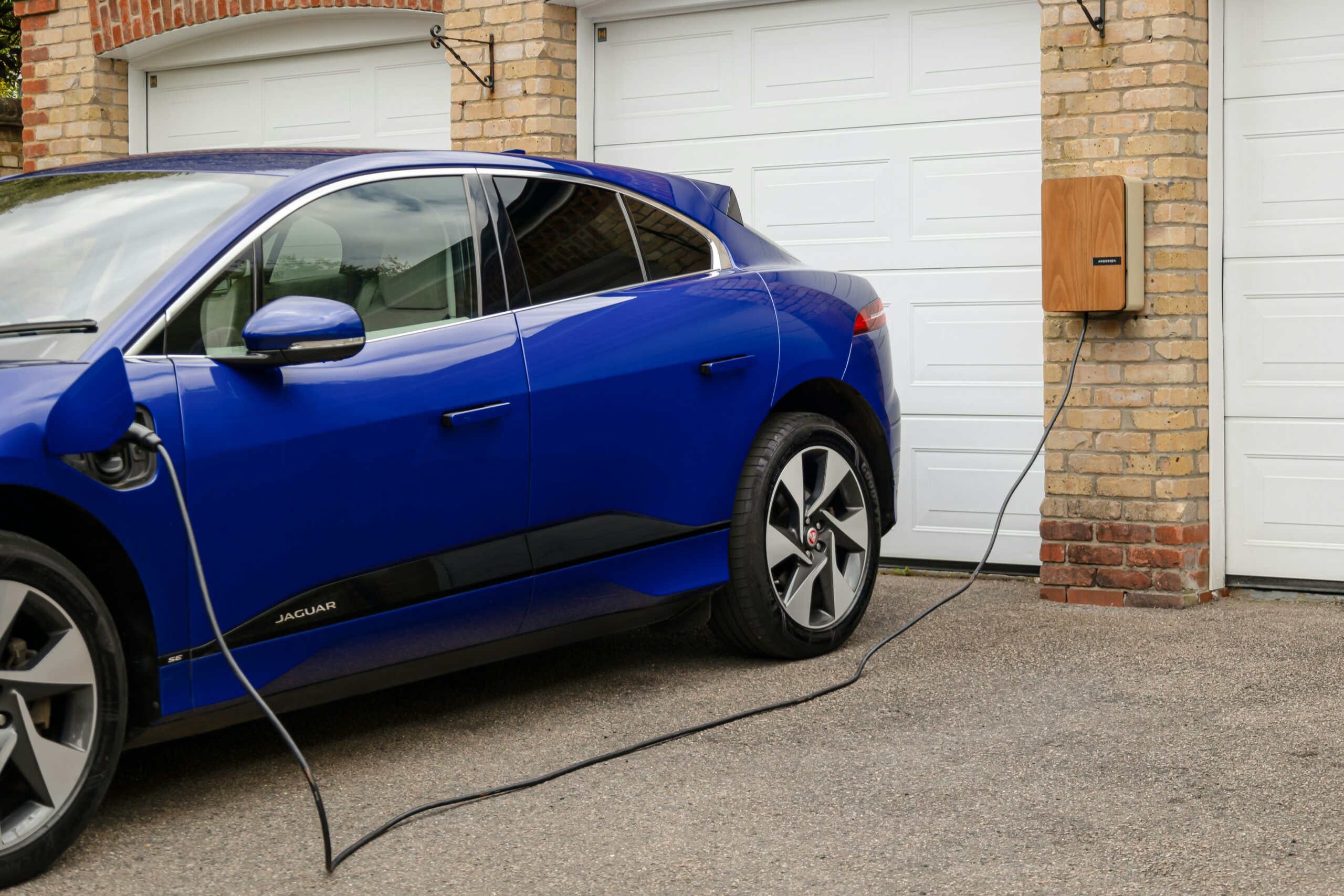
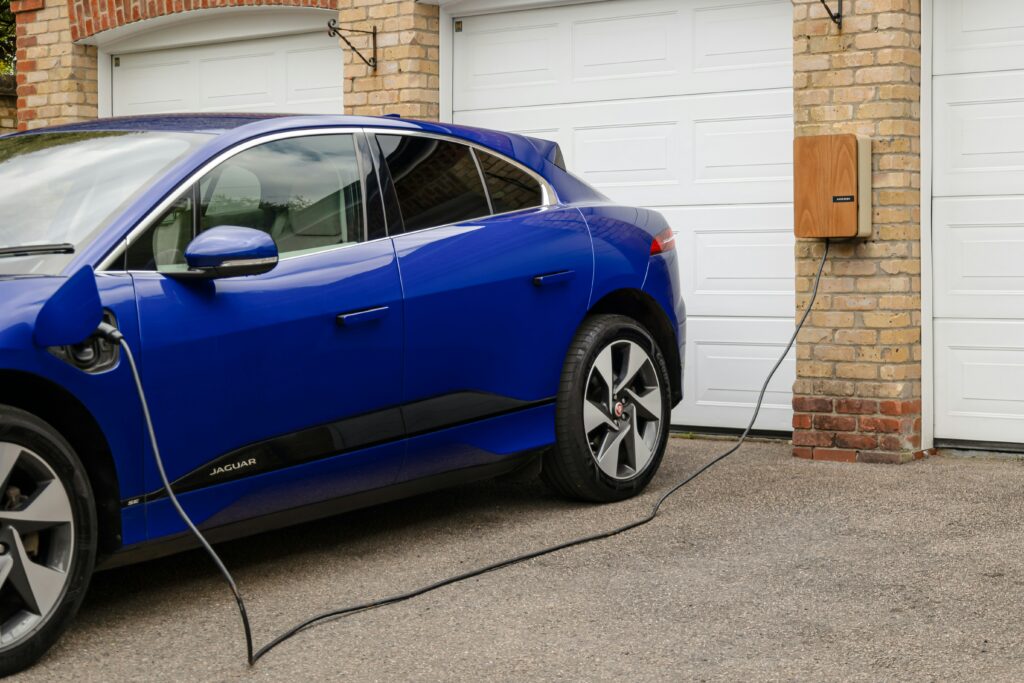
    When it comes to recharging your electric car at home, the most obvious solution is the domestic socket. With a power of 2.3 kW, it’s the perfect bad idea! Not only do you only get about ten kilometres per hour out of the socket, but you also lose energy – up to 30% according to Engie. The owner then has the option of a reinforced socket. After a specific installation, generally in the form of a box, the power is increased to 3.7 kW and it is possible to recover up to 20 kilometres per hour of charging while limiting energy losses. This may be enough for everyday use, since a night’s charge recovers just over 100 kilometres of range, and slow charging is less aggressive on the battery. But the most recommended solution is the wall-mounted charging point. Even though they sometimes require some work, wall-mounted charging points have the advantage of offering ‘à la carte’ power, up to 22 kW three-phase, so you can recover up to 40 km of range per hour while optimising charging and preserving the battery by adjusting and programming your charging point according to your needs. There are stand-mounted alternatives if it is not possible to install a wall-mounted charging point. The main disadvantage of home charging points is the cost, but there are solutions for that too…

    Credit: Thomas Reaubourg


    Financial aid to facilitate the installation of charging points

    As part of France’s policies to speed up the transition to electromobility, there are two ways of reducing the bill for those who install a home charging point. On the one hand, the famous tax credit for energy transition (CITE) allows you to benefit from aid of up to €300 for the purchase and installation of a charging point. The only condition? Use an RGE (Reconnu Garant de l’Environnement) certified company. There is also a grant called ADVENIR, which “reimburses” up to 50% of the cost of the operation. Capped at €600, it is reserved for private individuals living in collective housing and companies wishing to recharge their fleets. It also has the added advantage of being paid directly to the installer, saving electric car owners a lot of paperwork. At local level, some local authorities offer additional incentives, so it’s worth finding out what the policy is in your département or region before installing your charging point.

    The impact on bills

    Installing a home charging point for your electric car inevitably leads to an increase in electricity consumption. ChargeGuru carried out a study and found that the average increase was 21%. Depending on the supplier, this translates into an increase of €30 to €40 on the monthly bill, or €500 a year. That may sound scary when you put it like that, but the savings compared with combustion engines are substantial. In fact, the average fuel budget in Europe is around €100 per month, i.e. 2 to 3 times more than for electric cars.

    Playing the eco-responsibility game

    It’s not just the economic aspect that comes into play when consumers decide to swap their petrol-powered car for an electric one. The environmental aspect also comes into play, and home charging points, powered mainly by decarbonised energy (in France at any rate), tick this box. But you can go even greener by opting for a guaranteed 100% renewable energy supplier, like Ilek, Enercoop or Ekwateur, among others. And to really drive the point home, you can choose a programmable charging point that will allow you to plug in only during off-peak hours, thus relieving congestion on the grid and saving money at the same time… a win-win situation!

    Credit: Thomas Reaubourg


    The right to take

    One of the biggest problems with the electrification of the French car fleet is the lack of charging points in communal housing. And yet, in France, every resident in a condominium has what is known as the right to a plug. In other words, they can have a charging point installed in their parking space. To do so, all you have to do is inform the syndic, who can only object if the necessary work jeopardises the integrity of the building. There are even organisations like Zeplug that can take care of the administrative and billing procedures. When it comes to installing shared charging points, a vote at a general meeting and the pooling of costs can simplify the installation even further, as well as making it easier for more residents to switch to electric vehicles.

    Bidirectional charging, a solution for the future?

    Finally, we look a little further into the (near) future and conclude with a technology that is certain to become increasingly widespread, and which has already made its appearance on the latest Renault 5 electric car: Vehicle-to-Grid (V2G) or ‘two-way charging’ technology. The principle is relatively simple: at any given time of day, more than 9 out of every 10 cars on the road are parked. In order to take advantage of this immobility, bidirectional charging enables the vehicles being charged to “return” energy to the grid during peak hours, after having recovered some during off-peak hours. This saves even more energy and money, while helping to stabilise the grid.

  • Our advice before buying a used electric car

    Our advice before buying a used electric car

    The market for used electric cars is growing every year. And while buying a used EV isn’t radically different from buying a combustion-powered car, there are a number of features specific to electric cars that require special attention before you buy.

    Electric cars were marginal for a long time, but they are now an integral part of the French automotive landscape, and this trend is set to increase in the years ahead, until the sale of new combustion-powered vehicles is completely banned in 2035. This boom is having a direct impact on the second-hand market, which, although still a niche market, continues to grow year on year. In France, for example, the volume of transactions involving used electric cars rose by 54% between 2024 and 2025. So it’s important to be aware of best practice and to adopt the right reflexes before taking the plunge and benefiting from a good deal that’s as environmentally friendly as it is economical.

    Checking the condition of the battery in a used electric car

    The battery is the heart of an electric car, far more important than the motor. A (very) expensive component, it is necessary to know exactly how healthy it is, or State of Health (SoH), generally expressed as a percentage. If the SoH is above 85%, the range is still optimal. Below 75%, you should move on. To obtain this information, you can use a dedicated manufacturer’s application, or even a tool that connects to the OBD port via Bluetooth.

    Credit: Priscilla Du Preez


    Check the ownership of the battery

    Some models, generally the older ones, have been sold with a leased battery. This implies a monthly subscription fee, and can somewhat distort the price offered by the seller. If the seller doesn’t provide this information, it’s a question that absolutely must be asked, because if the battery isn’t included in the sale, it’s a good lever for negotiating the price downwards.

    Request a service history for your used electric car

    It’s a classic when buying a second-hand car, regardless of the energy it consumes. Just because an electric car requires less maintenance than a combustion-powered vehicle doesn’t mean it doesn’t need it. It’s essential to ask for invoices, check for software updates, and pay particular attention to the parts that suffer most on an electric car: tyres and brakes.

    Inspect accessories

    When it comes time to inspect the vehicle, it’s important to check that the charging socket is in good condition, that the cables supplied are compatible and in good condition, and that the on-board electronic equipment – GPS, touch screen, cameras, driver assistance – and lighting are working properly.

    Credit: Waldemar


    Running away from the first generation of electric cars

    As is the case with many electrical and electronic products, the first generations to leave the factory are generally quickly overtaken by the following models, before the situation evens out after a few years and the gap narrows. So a model that came out 10 years ago, with its short-lived batteries, basic equipment and sometimes even incompatibility with modern recharging points, will be much less attractive than the same model from 5 or 6 years ago, fitted with lithium-ion batteries, for example.

    Try before you buy

    It’s obvious: a test drive is essential before you take out the chequebook. It allows us to assess comfort, silence (and therefore any potentially suspicious noises), power under acceleration, and above all the effectiveness of regenerative braking, which is characteristic of electric cars. Another special feature is the electronics, in particular the control screen, which is checked for fluidity.

  • Electric retrofit, pleasure without the hassle

    Electric retrofit, pleasure without the hassle

    Long confined to the margins of electromobility, electric retrofitting, which refers to the electrification of internal combustion vehicles, is attracting more and more private individuals and professionals. Arnaud Pigounides, founder of Retrofuture and a pioneer of the sector in France, talks to ECO MOTORS NEWS about the technical, economic and regulatory challenges that lie behind the vintage elegance of old cars that have been retrofitted with watts.

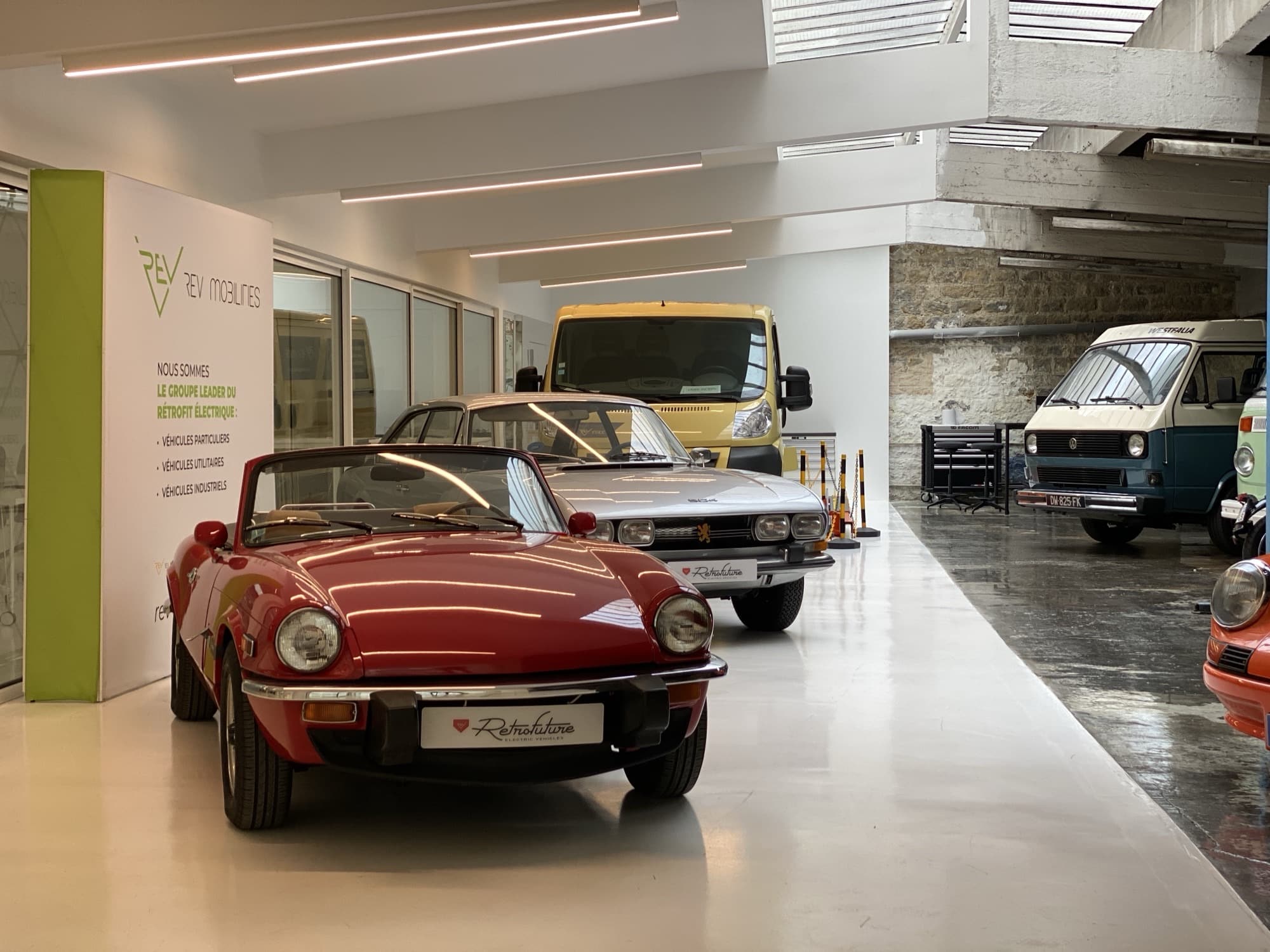
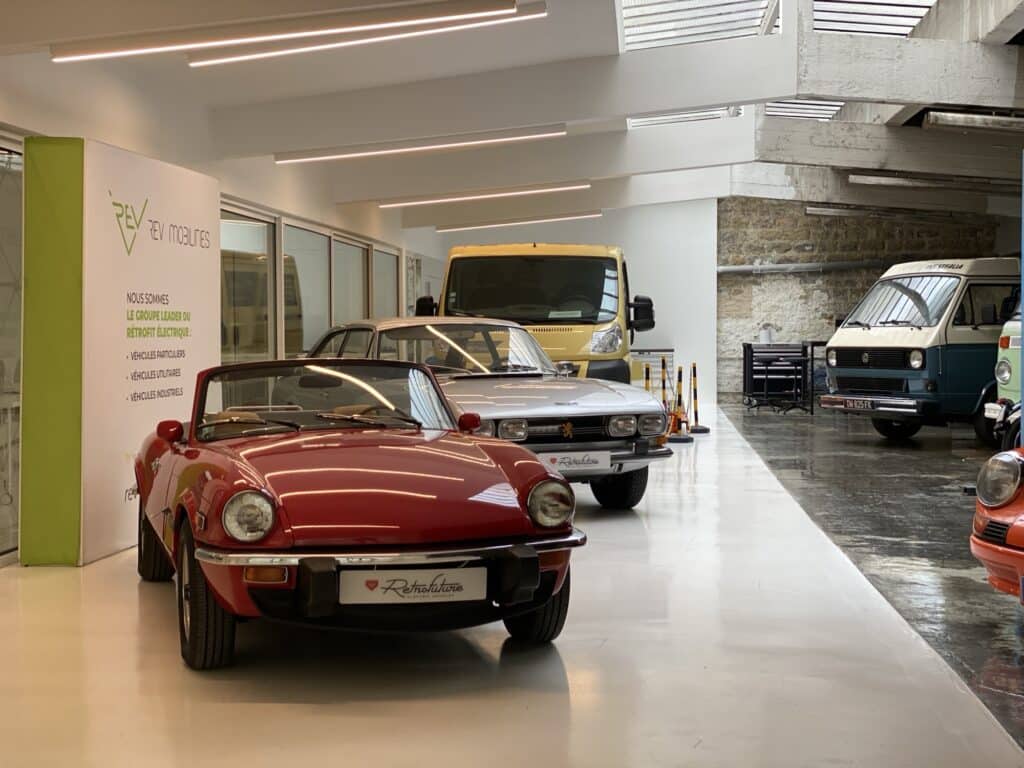
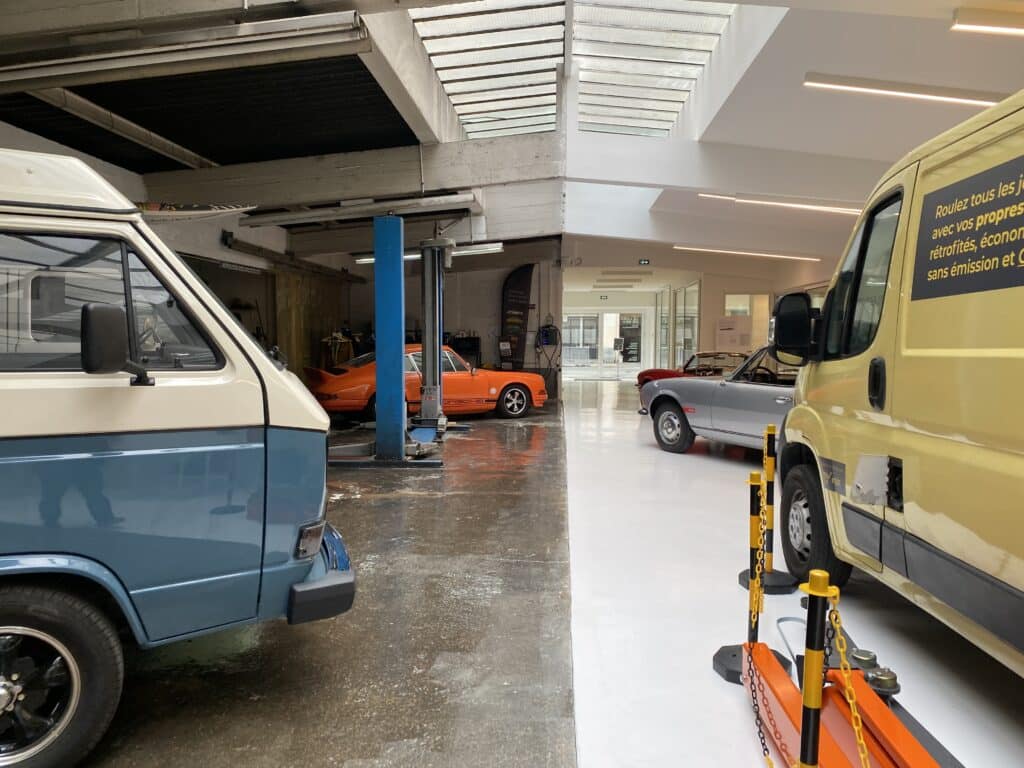
    Retrofitting means keeping the pleasure, but getting rid of the problems “. That’s how Arnaud Pigounides sums up the electrical retrofit of old vehicles. It’s a phrase that perfectly embodies the philosophy of this entrepreneur who, for nearly 10 years and with the launch of Retrofuture, has been giving a second life to old vehicles by replacing their internal combustion engine with a 100% electric motor. At the time, the practice was not even legally regulated in France. Today, it is governed by a strict framework, the fruit of a long process of awareness-raising and industrial alliances. ” I was the first to do it in France, long before it was officially recognised. It has its advantages… and its disadvantages “, smiles the man who has now expanded his business by creating the REV Mobilities group, whose activities also include retrofitting buses, commercial vehicles and worksite vehicles.

    Electrical retrofitting of older vehicles, for which profiles?

    Arnaud Pigounides identifies three main types of customer for classic car retrofits. Firstly, wealthy enthusiasts, often collectors, who want to enjoy their prestige vehicle without the mechanical and environmental constraints of combustion engines. “Then there are those who want to drive a retrofitted Aston Martin or Rolls on a daily basis. These are often people from upper-income brackets, bankers and executives, who also have the internal combustion version in their garage. Then there are the professionals. And not just for recent buses and vans. Hirers of vintage vehicles, which are used for public events, are looking for a retro look while being able to rely on a reliable, economical vehicle that complies with low-emission zones (ZFE). ” For example, we have a customer who has converted an old Volkswagen Combi into an electric beer tapping machine for weddings and festivals. It’s economical, reliable and fits into Paris. Finally, the entrepreneur is seeing a new audience emerge: private customers who are convinced that electric retrofitting makes more sense – economically and ecologically – than buying a new vehicle. ” Some people would rather retrofit a Fiat 500 or Defender for €20,000 or €30,000 than invest in an electric city car, which can be more expensive and full of electronics, which they consider useless.

    Small steps towards democratisation

    Despite its potential, retrofitting remains a niche sector. The main obstacle to large-scale expansion? Speed. You don’t retrofit a car the same way you change a tyre – you may have to wait six or even nine months. Behind this difficulty lies the sinews of war: money. ” We can’t stock kits in advance in every garage. A stock of 1,000 kits at €20,000 each means €20 million tied up. No French player yet has this capacity “. Especially when the vast majority of customers use a third party to finance their purchase on credit. For the moment, then, the cash in the coffers of retrofitters doesn’t allow them to move any faster.

    Another obstacle is certification. Each kit has to be certified for a specific model. ” Even between a Citroën Jumper and a Renault Master, you can’t use exactly the same batteries. Three centimetres difference in the chassis and everything changes “. As a result, only a few models, chosen by each retrofitter according to its suppliers, are available today.

    But can we ever imagine a universal kit, adapted to any model? Modular batteries and adaptable engines are being studied, but 100% standardisation is out of the question: ” A 2CV can’t be fitted with a 200bhp engine. You have to respect the structure and weight of the vehicle.

    European harmonisation, for which Arnaud Pigounides and his colleagues are currently fighting, could also make a big difference. ” Today, a Fiat 500 bought in Portugal and retrofitted in France is only approved for France. This is absurd. In 2026, we’ll have common regulations, at least for commercial vehicles and heavy goods vehicles. That will open up the market. Then, we hope, it will be extended to all vehicles “.

    There is also one final difficulty, but above all it is the guarantee for the customer that he is buying a vehicle that will stand the test of time and not be a financial drain: the ten-year guarantee. Then, unlike some foreign retrofitters who install second-hand batteries and motors from damaged vehicles, in France we use new batteries made to order and motors specially designed for electrical retrofitting. No do-it-yourself, which is reassuring, but it is also a further brake on rapid large-scale development in Europe.

    Revenge for the unloved, without the smell of petrol

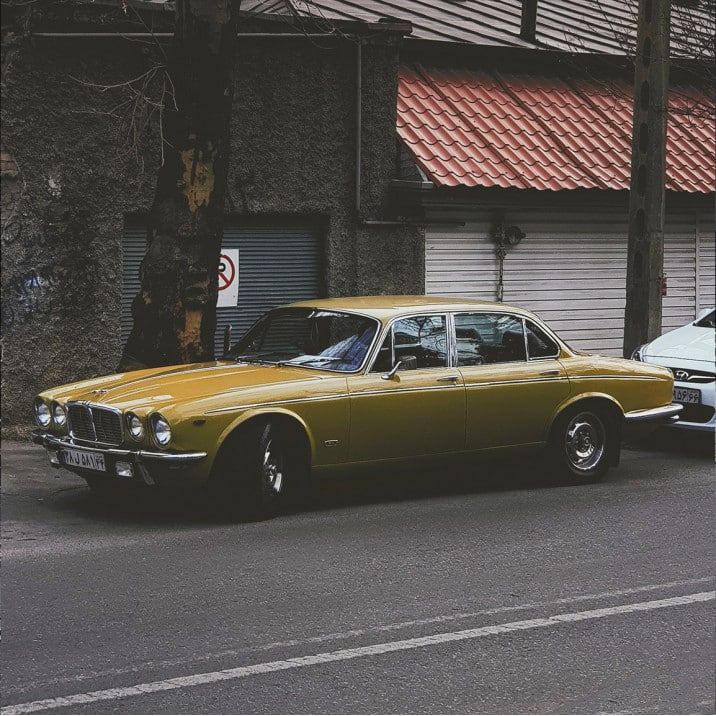
    Retrofitting is also an opportunity to give cars that have been unfairly sidelined a second lease of life. At Rétrofuture, the focus is on forgotten models from the 80s and 90s. ” Theres a huge demand for Jaguar XJs, even Rolls-Royces from the 90s. These cars were disparaged because of their engines and their ratings are relatively low, but once electrified, they become desirable, reliable and unique.

    The same goes for small convertibles, which, with very few exceptions, are now shunned by manufacturers who prefer to produce SUV after SUV. By retrofitting MGBs or Triumph Spitfires, an entire lifestyle and driving philosophy can be revived.

    So, is retrofitting a viable solution? According to Arnaud Pigounides, the answer is yes, as long as you understand its limits and potential. Retrofitting won’t replace mass production by manufacturers, but it does offer a credible alternative for specific uses, targeted populations and, above all, more rational mobility. ” The average daily journey for a French person is 20 km. Our customers aren’t looking to tour France. So why buy a new vehicle that you don’t like, when you can have a car that looks good, is electric, reliable and doesn’t smell of petrol ? In short, it’s a way of reconciling the past and the future on four wheels.

  • 5 Chinese electric cars to know

    5 Chinese electric cars to know

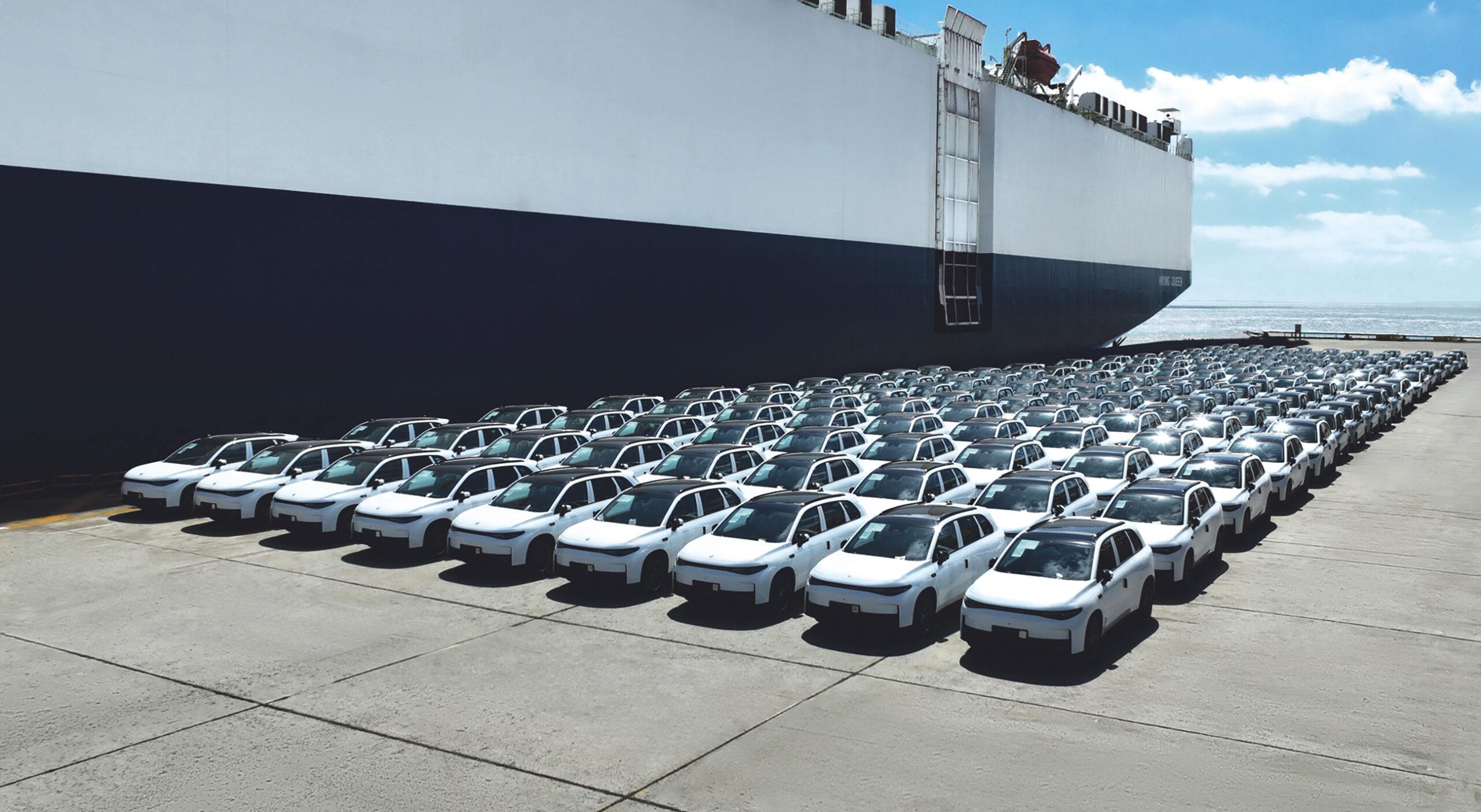
    Within the electromobility ecosystem, China is the biggest manufacturer, the biggest seller and the biggest market, thanks in particular to its manufacturers – led by BYD, which could rapidly become the world’s leading manufacturer of
    electric vehicles – whose models are gradually arriving on the Old Continent, particularly in France. So here are five Chinese electric car models you need to know about before you find them on every street corner!

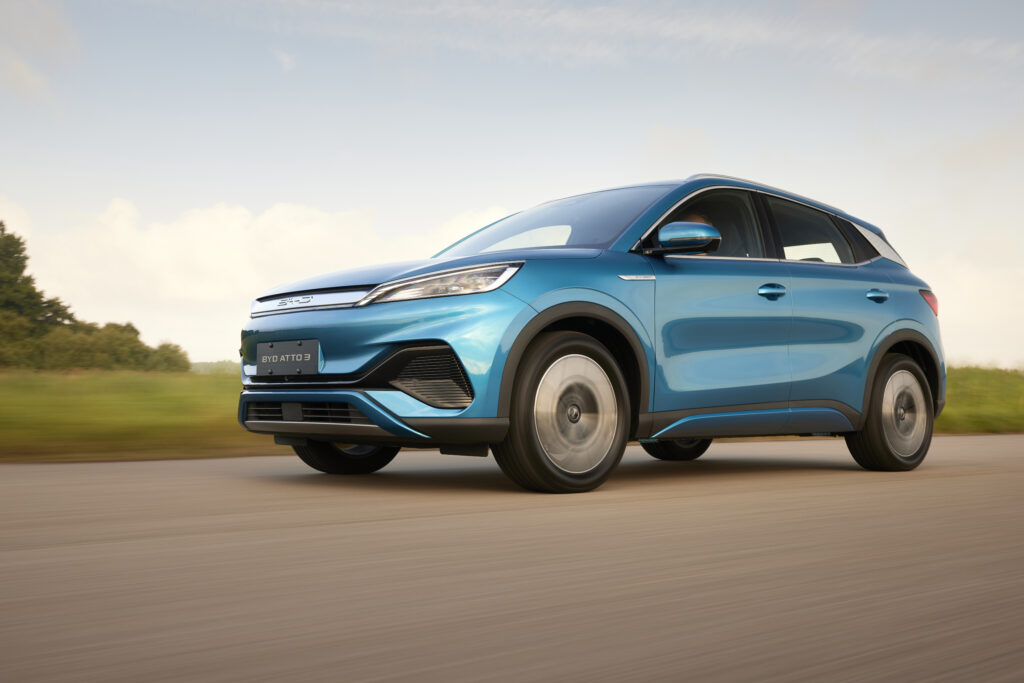
    BYD Atto 3

    Available in France from 2022

    The BYD Atto 3 is a compact 100% electric SUV equipped with an in-house Blade LFP 60.5 kWh battery offering a range of around 420 km (WLTP). It is powered by a 200 bhp engine that accelerates from 0 to 100 kph in 7.3 seconds. Available in France from the end of 2022, this model illustrates BYD’s determination to make its mark in Europe with a range that is accessible, well finished and technically reliable. The manufacturer is actively developing its distribution network in France to support this ambition.

    Price: €38,990

    Credit: BYD Atto 3

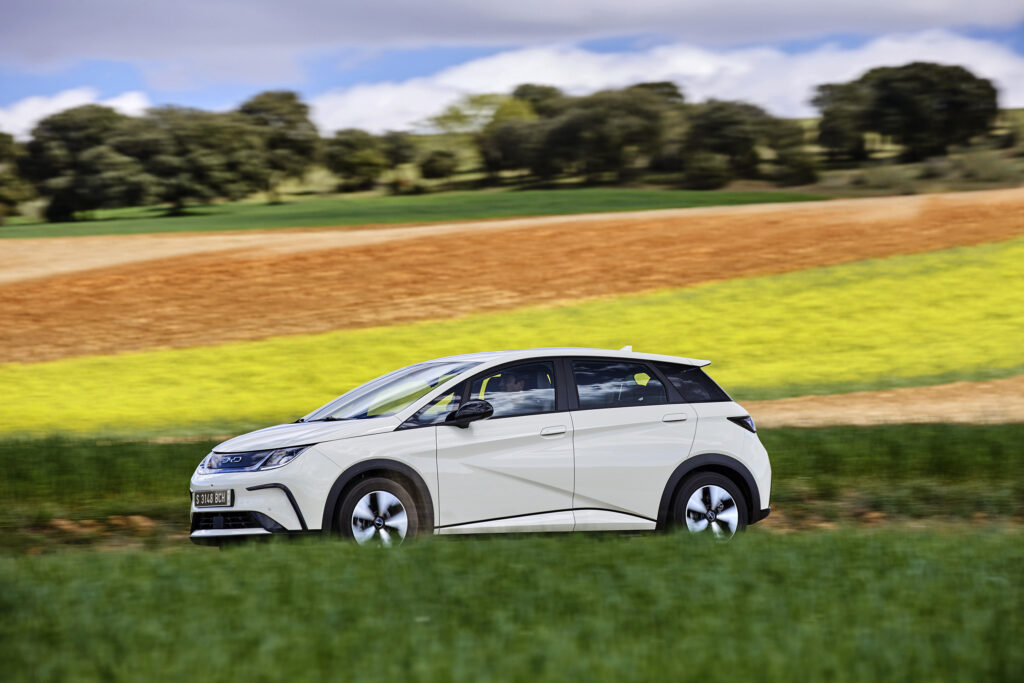
    BYD Dolphin

    Available in France from 2023

    As leader of the field, BYD is entitled to two mentions in this selection. The Dolphin is a 100% electric compact car with a range of between 340 and 427 km, depending on whether it is fitted with a 44.9 or 60.4 kWh Blade LFP battery. This versatile city car will be available in France from the end of 2023, and BYD is using it to enter the ‘accessible’ electric car market. Priced at less than €30,000, it is aimed at a wider audience than the Atto 3. The Dolphin will certainly spearhead BYD’s dream of conquering Europe.

    Price: €29,990

    Credit: BYD Dolphin

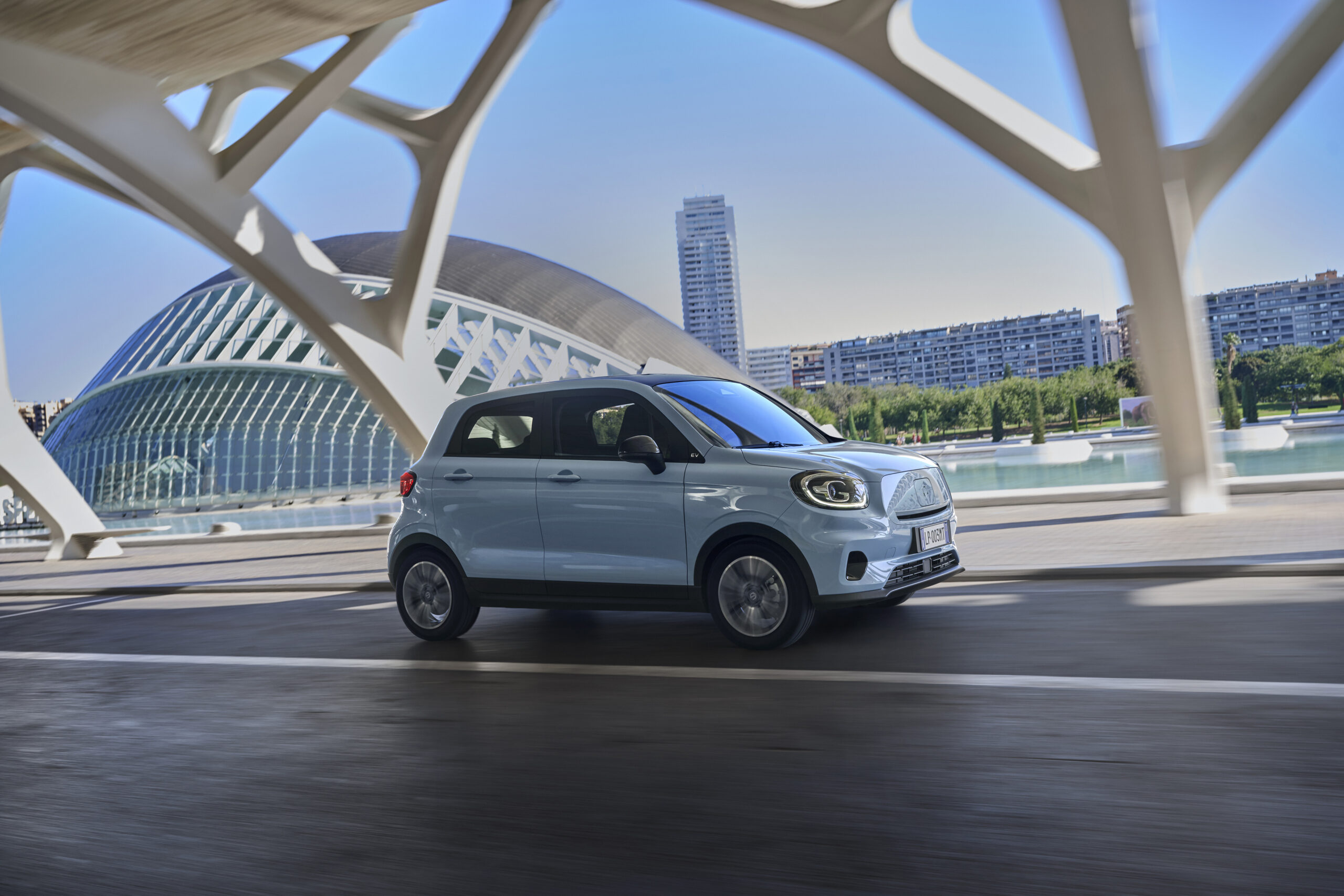
    Leapmotor T03

    Available in France from 2022

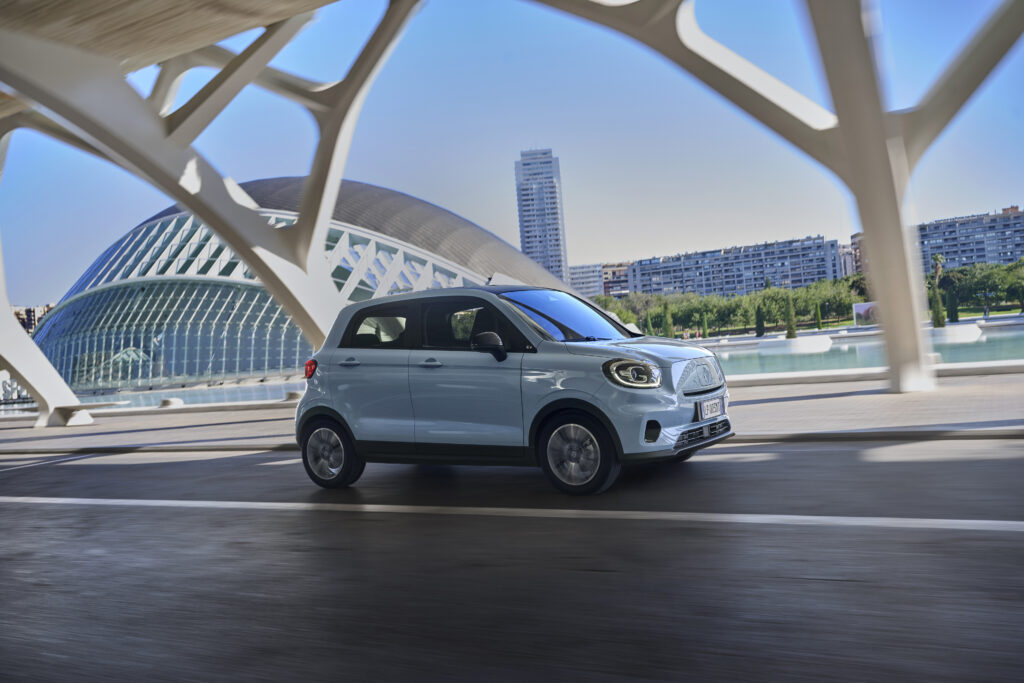
    The Leapmotor T03 is a small city car (3.62 metres) that boasts a range of 265km, thanks to a 37.3 kWh battery. Although Leapmotor had hoped to ‘get around’ the customs measures taken by France to counter Chinese manufacturers by partnering with Stellantis to assemble the T03 in Europe, this may prove more complicated than expected. The fact remains that Leapmotor still intends to flood the European market by the end of 2025, fulfilling its initial objective of offering an electric city car for under €20,000.

    Price: €19,500

    Credit: Leapmotor T03

    NIO ET5

    Available in Scandinavia, the Netherlands and Germany

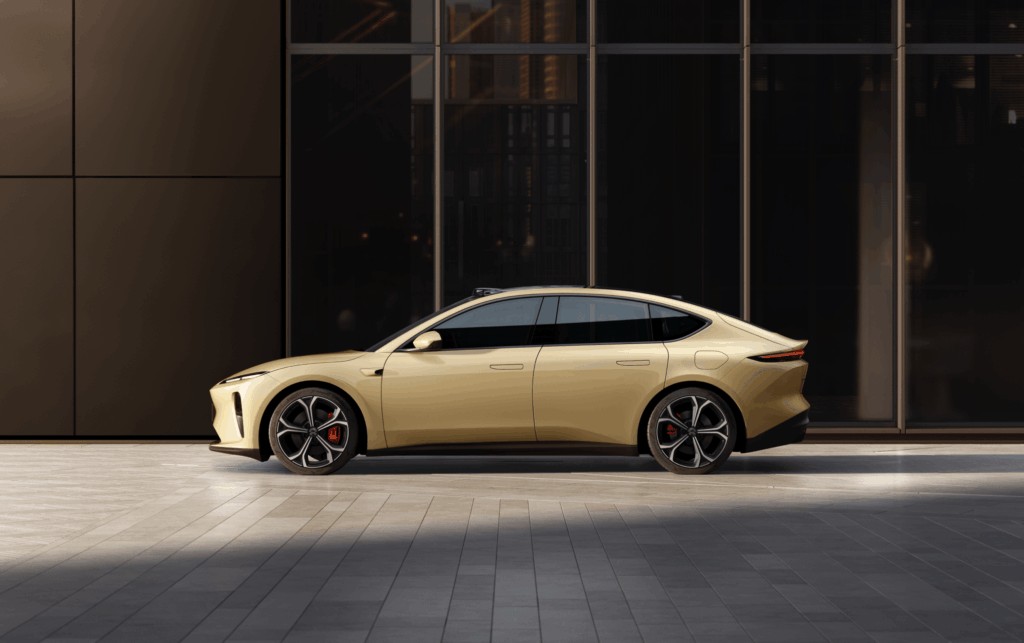
    A change of category with the NIO ET5. This electric saloon is powered by two engines delivering a combined output of 490 bhp and promises a range of up to 1,000 km – yes, yes – with its largest available battery (150 kWh). For the moment, NIO is targeting markets with a strong appetite for electric vehicles and high purchasing power – Norway and Scandinavia in general, the Netherlands and Germany – but it is not ruling out a move into France as early as 2025. The aim? To conquer the premium segment currently dominated by Tesla!

    Price: €47,500

    Credit: NIO ET5

    XPeng P7 / P7+

    Gradual European roll-out from 2021

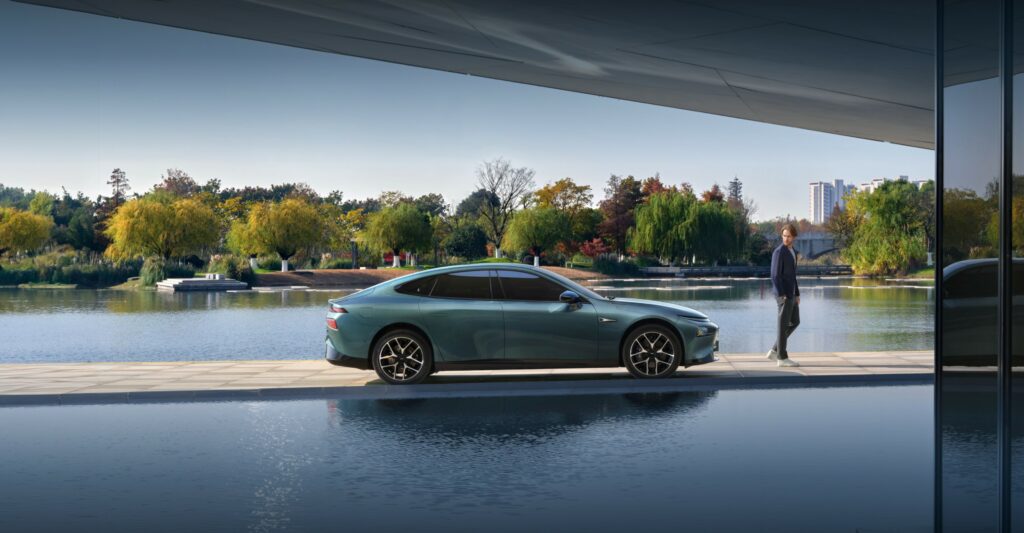
    We’re staying with saloon cars with the XPeng P7. A close cousin of Tesla’s Model 3 and Model S, it offers a range of over 550 km and performance well in excess of 400 bhp thanks to its two engines. Renowned for its many on-board technologies, it features the XNGP system, an advanced semi-autonomous driving platform. The manufacturer has already conquered the Norwegian market,
    So it was via the fjords that XPeng entered Europe a few years ago, gradually making a name for itself and appearing on the French market in spring 2024. Although the P7 is unlikely to be marketed in France, its upgraded version, the P7+, could well arrive.

    Price: €42,500

    Credit: XPeng P7 /P7+
  • Electric boats: when pleasure boating becomes gentler

    Electric boats: when pleasure boating becomes gentler

    Quiet and clean, electric boats are undoubtedly the future of pleasure boating. But while they embody a new way of sailing, there are still a number of obstacles to their widespread development.

    Credit: beneteau

    According to studies by Data Bridge Market Research and Mordor Intelligence, the global market for electric boats is set to grow by 11.2% to 12.65% a year between now and the end of the decade. This global momentum is also reflected in France, particularly in Paris, where the famous Vedettes have recently embarked on their energy transition. But despite these promises, yachting – if we compare its transition to that of the car industry – still seems to be standing still. The Association Française pour le Bateau Électrique (AFBE) and AKWA Experience, which hires out electric boats in Paris, give ECO MOTORS NEWS a realistic yet optimistic look at the state of electric boats in France.

    Boats that are still too costly and infrastructure that is in short supply

    It’s a small-scale industry, which makes the energy transition much more complex and costly “, explains Yannick Wileveau, Chairman of the AFBE. Like cars, electric boats still suffer from the high cost of engines and batteries, to which must be added the “made-to-measure” aspect that adds a little more to the bill.

    In fact, the price of electric boats remains one of the major obstacles to the energy transition in recreational boating. To address this, the AFBE is promoting co-ownership models or membership of yacht clubs. “ Sharing a boat makes the initial investment profitable, while reducing the need for harbour berths “, Brusset points out.

    It’s enough to shake up the habits of boat owners. And that’s not the only thing that needs to change! In fact, according to Christophe Brusset, Secretary General of the AFBE, the challenge is not just a technical one: ” Going electric also means changing the way you sail. Less speed, more calm, and more attention to the environment. This environmental aspect is not just about zero emissions, but also about preserving aquatic flora and fauna.

    Another lever for convincing boat owners to switch to electric power is the development of recharging infrastructures, which are still largely inadequate. And it’s a vicious circle, because fewer boats mean fewer infrastructures, and fewer infrastructures mean fewer boats. So, just as was done for the car industry, which was in the same situation a few years ago, the AFBE believes that local authorities, the State and Europe need to use subsidies and tax breaks to encourage the purchase of electric boats on the one hand, and the installation of recharging stations on the other.

    Credit: RIva

    In Paris, an experience that’s sure to win you over

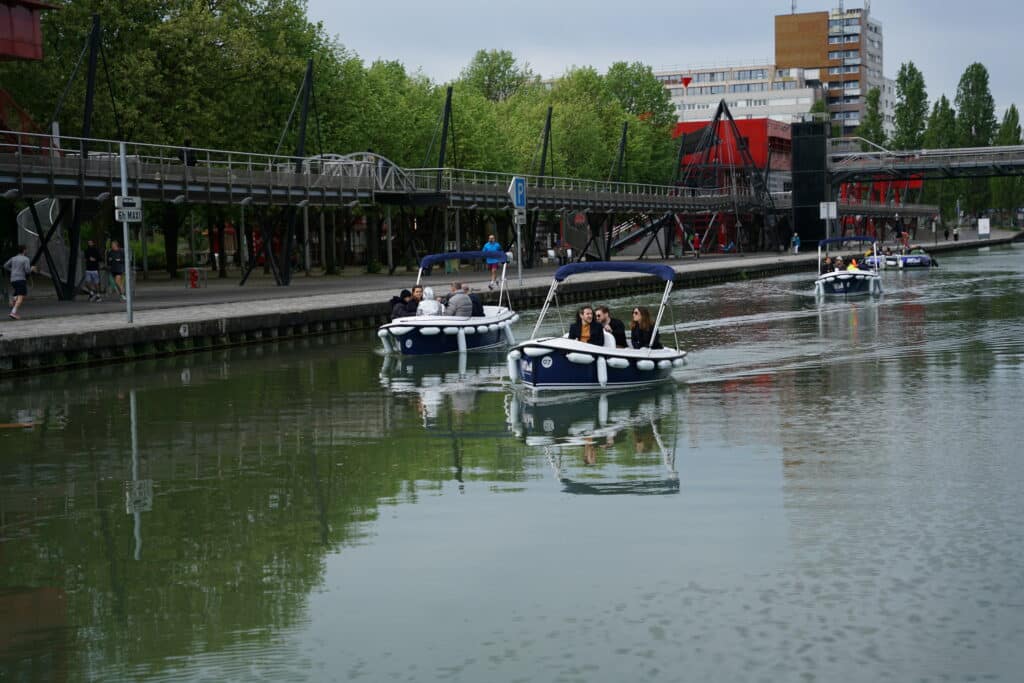
    It’s clear: the development of electric boats will require a change in user philosophy. And it’s this change in mentality that AKWA Experience is working on from the Canal de l’Ourcq, in the 19th arrondissement of Paris. Its fleet of 100% electric, licence-free boats is proving a great success. “ Our customers often talk about a magical, timeless experience. They rediscover Paris from another angle, in the heart of the city, but far from its hustle and bustle “, says Rodrigue Faleme, the company’s managing director.

    Offering prices tailored to young people, pensioners, local residents and the underprivileged, AKWA Experience sets its sights high: ” Our objective is clear: to democratise electric navigation and raise awareness of the need to protect our river heritage. The company regularly organises events at its base, including canal clean-ups.

    Credit: Akwa

    Optimism as a course

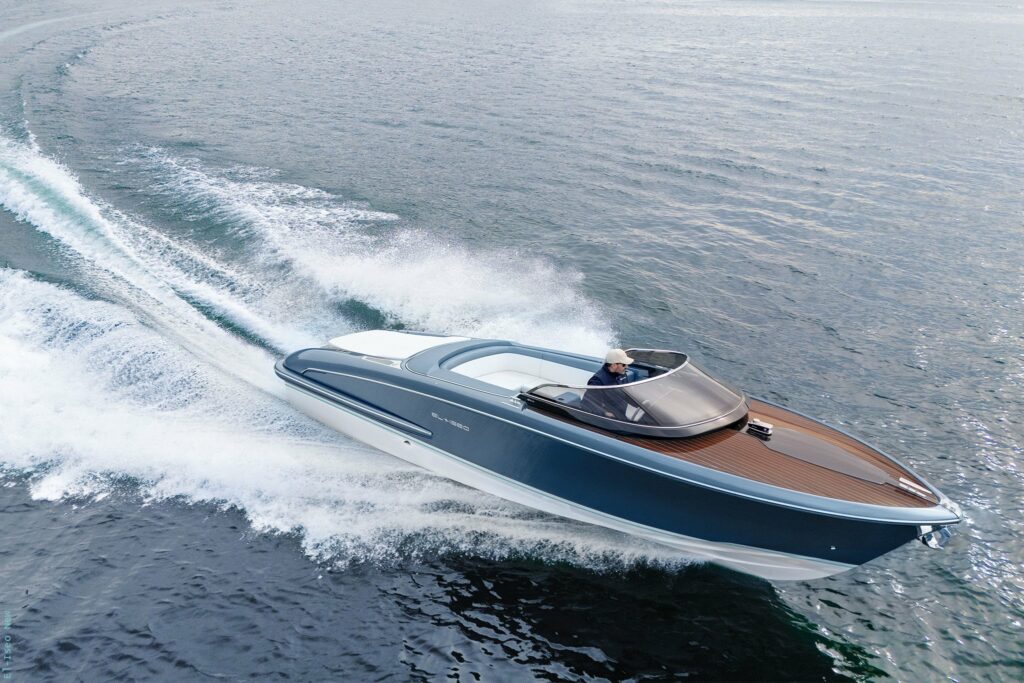
    While there are still many obstacles to the acceleration of the electrification of the yachting industry, the momentum is well underway. Proof of this is the arrival of 100% electric and hybrid models in the catalogues of the major marine brands, such as Bénéteau’s Four Winns H2e and the Riva El-Iseo: ” It is these models, designed from the outset for electric power, that will drive the market in the years to come ,” predicts Yannick Wileveau.

    In the meantime, pioneers like AKWA Experience, as well as their competitors in Paris and elsewhere, are leading the way and playing an active part in changing attitudes. By 2035, the AFBE even believes that electric yachting could well be the norm rather than the exception. In the meantime, it’s already a nice glimpse of what silent, less polluting boating could be like… and it feels good!

    And what about the sea?

    While electric river navigation is gaining ground, it is also beginning to make inroads at sea. Several shipyards are now developing electrically-powered catamarans and coastal launches, some of them hybrids, suitable for short sea trips. Autonomy is still limited by battery capacity, but innovations such as solar recharging and hydroelectricity are opening up new prospects. In sensitive coastal areas, such as marine reserves, electric boats help to preserve ecosystems. In Scandinavia, electric ferries have been developing for 10 years, notably the MV Ampere in Norway, the world’s first 100% electric ferry, launched in 2015.


  • Electric cars: 5 essential applications for owners

    Electric cars: 5 essential applications for owners

    Here’s our selection of five must-have applications to improve your journeys and manage your charging as well as your expenses when you own an electric car.

    A Better Routeplanner (ABRP) – Pay options

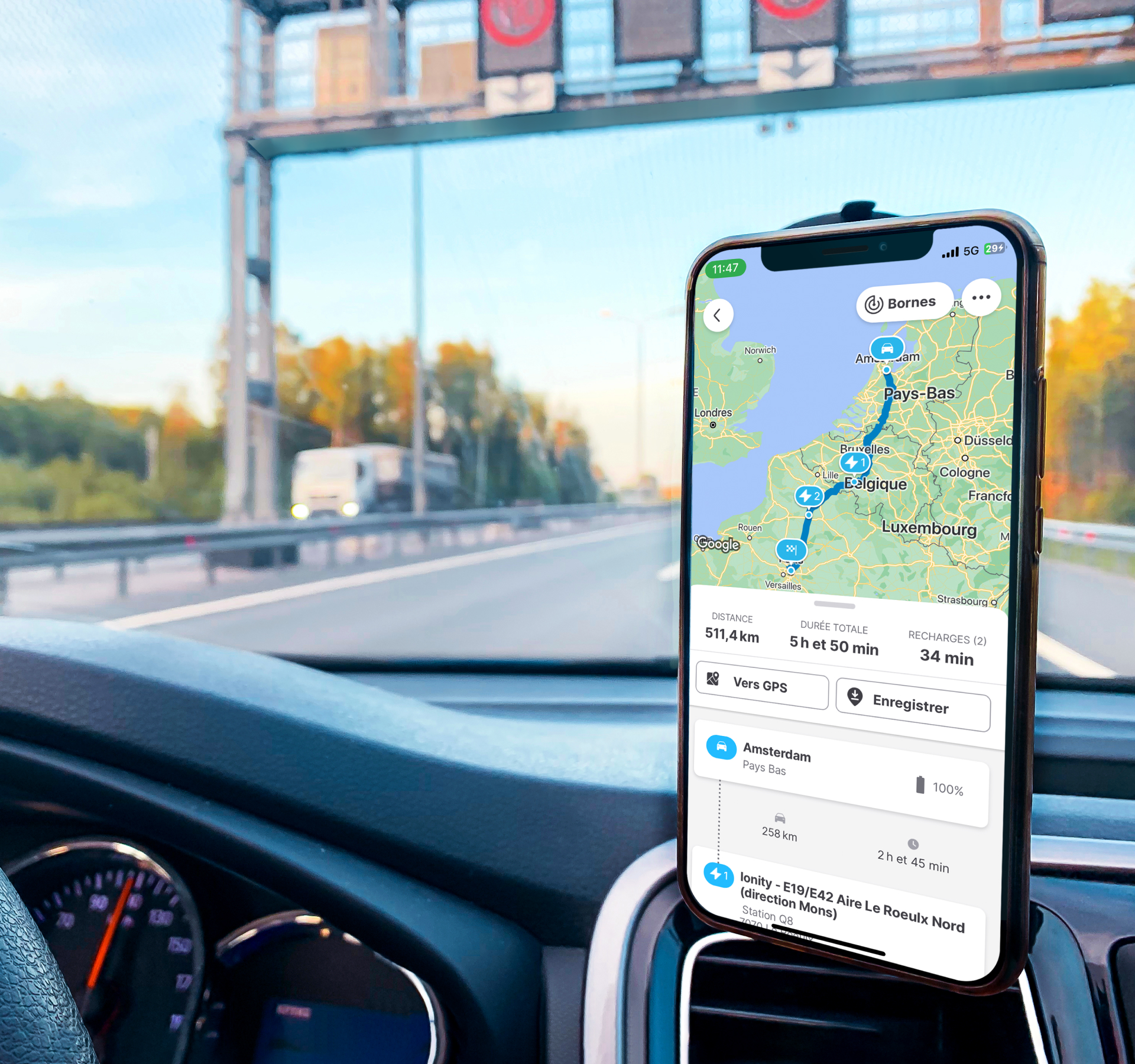
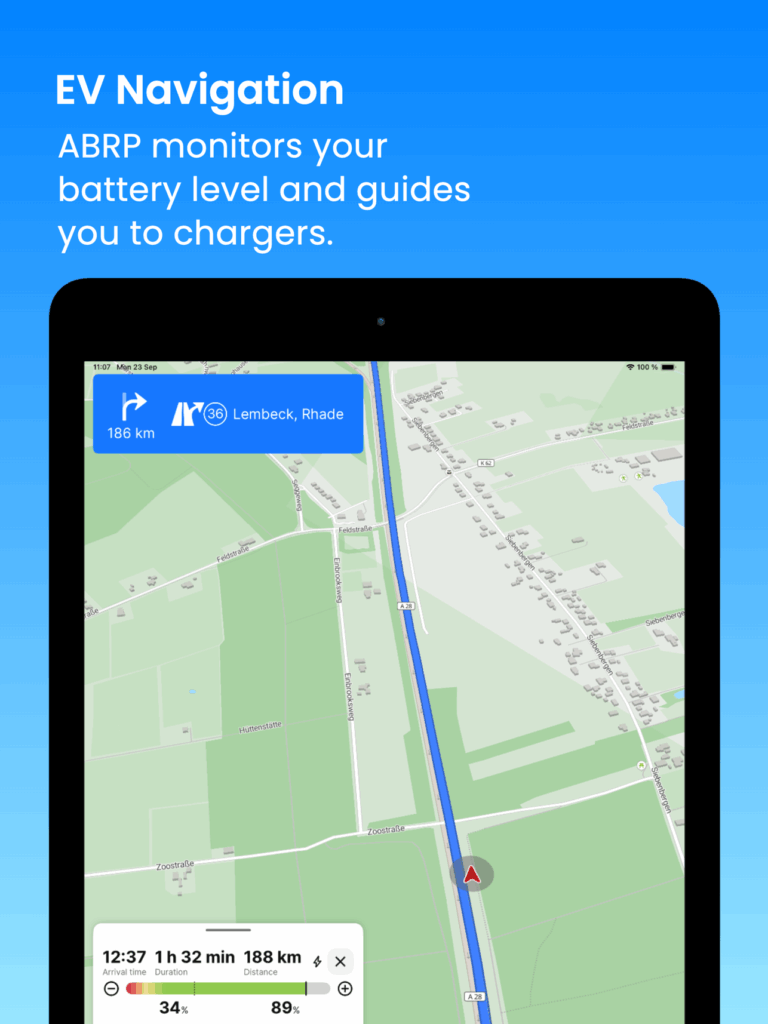
    ABRP, for A Better Route Planner, is one of the most highly rated of all the electric mobility apps. By entering the model name of your electric car and your destination, you can plan your journey. Is that all there is to it? No, because it takes into account a number of factors that are often overlooked by other map apps, including the car’s actual range, the weather, available recharging points and… the type of road! For those who live in the mountains, for example, that’s a detail that really doesn’t matter! The paid premium version also allows you to connect your vehicle directly to the app to get real-time information and the most accurate remaining range estimate possible, adjusted in real time according to your driving style, right down to wind speed.

    Credit: abetterrouteplanner.com

    Chargemap – Chargeable options

    Chargemap, a French application, makes it easy to locate charging points all over Europe, but what sets it apart above all is the interactive aspect of its map. You can find out immediately whether a charging point is available or not, or whether it has broken down (but that never happens…), as well as its power or compatibility with your car. Using this information, drivers can plan a journey directly from the app. A chargeable option, Chargemap Pass, lets you use your account to pay for your top-up.

    Credit: en.chargemap.com

    ChargePrice – Free

    While switching to electric power generally saves money, the price from one charging point to another often varies much more than from one petrol pump to another. This is mainly due to the multiplication of subscriptions, energy suppliers, the energy source itself and the location of the charging point – in short, so many factors that can lose the consumer. This is where the ChargePrice application comes in, acting as a price comparator. It locates the cheapest charging points around the driver and even goes so far as to provide an estimate of the total cost of recharging, taking into account the type of car and the user’s subscription.

    Credit: en.chargeprice.app

    Dreev – Free

    Dreev is the result of a collaboration between EDF and the Californian company Nuvve, which specialises in Vehicle-to-Grid (V2G) recharging. In other words, cars that can send electricity back to the grid. So it’s only natural that Dreev should specialise in the ‘intelligent management’ of electric vehicle recharging. This means you can control and programme your charging point to optimise it as much as possible, both in terms of energy used and expenditure, as well as deciding whether or not to send energy back to the grid to discharge it (and save money in the process).

    Credit: dreev.com

    PlugShare – Pay-per-click ad-free option

    PlugShare is one of the best-rated applications for quickly locating charging points around the world. It’s all powered by users themselves, who share their opinions and photos of almost 500,000 charging points. It also lets you plan your journey according to your subscription and the type of socket you are looking for.

    Credit: www.plugshare.com
  • Electric Vehicles: China’s big moves in Africa

    Electric Vehicles: China’s big moves in Africa

    The Middle Kingdom and the Cradle of Humankind have forged increasingly strong economic ties over the past several years. Electric mobility is no exception and plays an ever-growing role in these relations. Let’s focus on the latest Chinese establishments across the African continent, from Morocco to South Africa, including Nigeria, Ivory Coast, Rwanda, Egypt, and Kenya.

    The ideal partner

    Before diving into specifics, it’s essential to understand why Africa is an ideal partner for Chinese electric vehicle (EV) companies.

    First, Africa presents an effective solution to the financial barriers imposed by Europe and the United States, particularly regarding tariffs and penalties. Africa is not engaged in a trade war with China; on the contrary, it offers a more open market.

    Moreover, Africa is rich in essential resources. Of particular interest to Chinese investors in electric mobility are minerals like cobalt, with the Democratic Republic of the Congo being the world’s leading producer.

    Additionally, low manufacturing costs, affordable labour, tax incentives, and a vast, relatively young population—the demographic most inclined to adopt electric vehicles—make Africa a highly attractive market for EV and battery manufacturers.

    Establishing operations in Africa offers numerous advantages to Chinese companies, further bolstered by the continent’s industrial powers, emerging markets, and countries with strategic locations.

    Industrial Powers

    When setting up factories, companies naturally gravitate towards countries with proven industrial capabilities, and Africa has several.

    Anyone who has visited Tangier can attest to the scale and modernity of its infrastructure. “The Pearl of the North” exemplifies the broader Moroccan landscape, which already hosts production facilities for companies like Stellantis and Renault, collectively producing approximately 700,000 vehicles annually.

    For Chinese investors, this ensures access to a skilled workforce and substantial industrial expertise. It’s no coincidence that companies such as Hailiang, Shinzoom, Gotion High Tech, BTR, and CGNR—spanning copper processing to battery manufacturing—have invested nearly a billion dollars in various manufacturing sites within the newly established Tangier Tech industrial hub.

    Furthermore, Morocco’s favourable relations with the European Union and the United States (for now) provide additional reassurance to Chinese investors.

    In North Africa, Egypt is also attracting Chinese companies. For instance, BAIC Group plans to inaugurate a 120,000-square-meter assembly plant by late 2025, initially producing 20,000 vehicles annually, with plans to scale up to 50,000 by 2030. This facility aims to first saturate the Egyptian market, then leverage Egypt’s strategic location to penetrate other African and Middle Eastern markets.

    On the other hand, Nigeria appears to be retreating from Chinese investments. In late 2023, the government announced that several Chinese companies intended to invest $2 billion in various factories across the country. Since then, there have been no updates.

    Instead, Nigeria seems to be turning to Spiro, a Kenyan manufacturer of electric two-wheelers, to advance its transition to cleaner mobility, exemplified by the opening of a factory in Ogun State.

    Crédit : DR

    Promising Markets

    This shift doesn’t imply that China has lost interest in Nigeria. On the contrary, Nigeria remains one of the continent’s most promising markets, driven by a young, urban population with a higher purchasing power than many other African nations.

    Notably, Nigeria was among the first African countries to receive Chinese Yutong electric buses through a partnership with Lagos-based Oando Clean Energy.

    South Africa, the largest automotive market in sub-Saharan Africa, is another attractive destination for Chinese investors. BYD, for instance, is aggressively launching new models in the region. South African distributor Enviro Automotive has begun selling Chinese models, quickly followed by competitors, all vying for a significant share of a market that, while still modest, is steadily growing.

    Rwanda has distinguished itself as one of the first African nations to embrace electric mobility, supported by a government that early on invested in public subsidies, facilitated charging station rentals, and electrified public transport. These initiatives have attracted Chinese manufacturers and groups, leading to collaborations with Kabisa, a pioneer in Rwanda’s electric vehicle distribution, and contributions to Kigali’s public transport networks.

    Ivory Coast is also increasingly attracting Chinese investors. Without necessarily relying on bonuses or incentives, the Ivorian government regularly holds discussions with the Chinese government as well as with the country’s largest companies to facilitate the introduction of electric vehicles in the Ivory Coast.

    Recently, ride-hailing drivers in Abidjan have started equipping themselves with vehicles from the Chinese manufacturer Neta, while fellow Chinese automaker BYD has begun marketing its models in the country. Chinese investors are also contributing through the development of a charging station network and have even provided electric buses to help organize the Africa Cup of Nations in early 2024.

    Crédit : Jean Claude Akarikumutima

    Raw Materials and Strategic Hubs

    Beyond Morocco’s industrial expertise and South Africa’s promising market, other countries are drawing Chinese investors due to their strategic geographic positions.

    As previously mentioned, Egypt serves as a gateway to both African and Middle Eastern markets. Similarly, Kenya has become an inspiration for neighbouring countries, sourcing vehicles from Chinese manufacturer Neta Auto to green its taxi fleet. This positions Chinese companies advantageously to persuade other major cities to trust their offerings.

    On the raw materials front, the Democratic Republic of the Congo stands out as the world’s leading supplier of cobalt—a crucial component in battery manufacturing—and a significant source of copper. China has strategically positioned itself as the primary client of Congolese mines, purchasing over three-quarters of the nation’s production. While many of these mines are still owned by Western groups, Chinese shareholders are increasingly prominent.

    The substantial influx of Chinese electric vehicle companies into Africa follows an unrelenting business logic, suggesting a central role for the continent in this market, especially given its youthful population.

    However, a critical question persists whenever foreign funds flow into Africa: Will African nations retain sovereignty over their resource management and labour conditions?