Author: Enzo Paepegaey

  • Electrics: Silent change in the automotive repair sector

    Electrics: Silent change in the automotive repair sector

    The electrification of the French car fleet is not only transforming vehicles and their uses. It is also profoundly redefining the repair professions, undermining traditional mechanical expertise while at the same time giving rise to new skills linked to electronics, software and high voltage. It’s a rapid transformation, often underestimated, that presents garages (especially independent garages) with a major economic and human challenge.
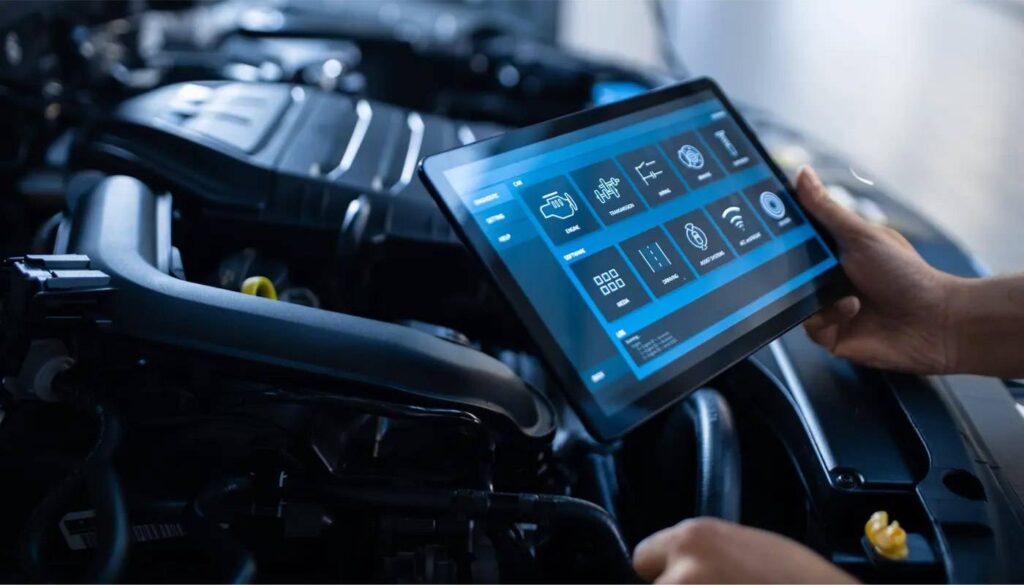
    Photo credit: electronic diagnostics – Adobe Stock

    A structural shock for traditional mechanical engineering

    The electric vehicle marks a clear break with the mechanical architecture that has structured workshop activity for decades. By eliminating entire components (internal combustion engine, complex gearbox, clutch, exhaust system, etc.), it mechanically reduces the number of interventions required throughout its life. Institutional studies estimate that an electric vehicle requires up to 40% less labour than an equivalent internal combustion model, a figure that translates into fewer trips to the workshop, much to the delight of consumers.

    The countries pioneering electrification offer a glimpse of what lies ahead for France. In Norway, a benchmark in the field, overall vehicle servicing has already fallen by 12%, while certain emblematic traditional mechanical operations have dropped by 43%, notably oil changes, belts and brake pads. By 2035, this trend could lead to the loss of between 35,000 and 65,000 jobs in France, mainly in the manufacturers’ networks and with equipment suppliers.

    Photo credit: Manual gearbox not used on electric vehicles – AP boites.com

    Changing skills

    As well as the number of jobs created, the very nature of the skills involved is being radically altered. Engine-related skills, long the core business of mechanics, are gradually becoming marginal in a fleet of vehicles that is set to change rapidly. Engine tuning, injection, timing and exhaust systems are losing their economic centrality, in favour of systems that are mechanically simpler but technologically more complex. Many experienced professionals are facing the risk of their know-how becoming obsolete, without always having the resources or time to retrain. According to projections, job losses could reach between 1,500 and 3,000 a year by 2035, making the electricity transition not just an industrial issue, but also a social one.

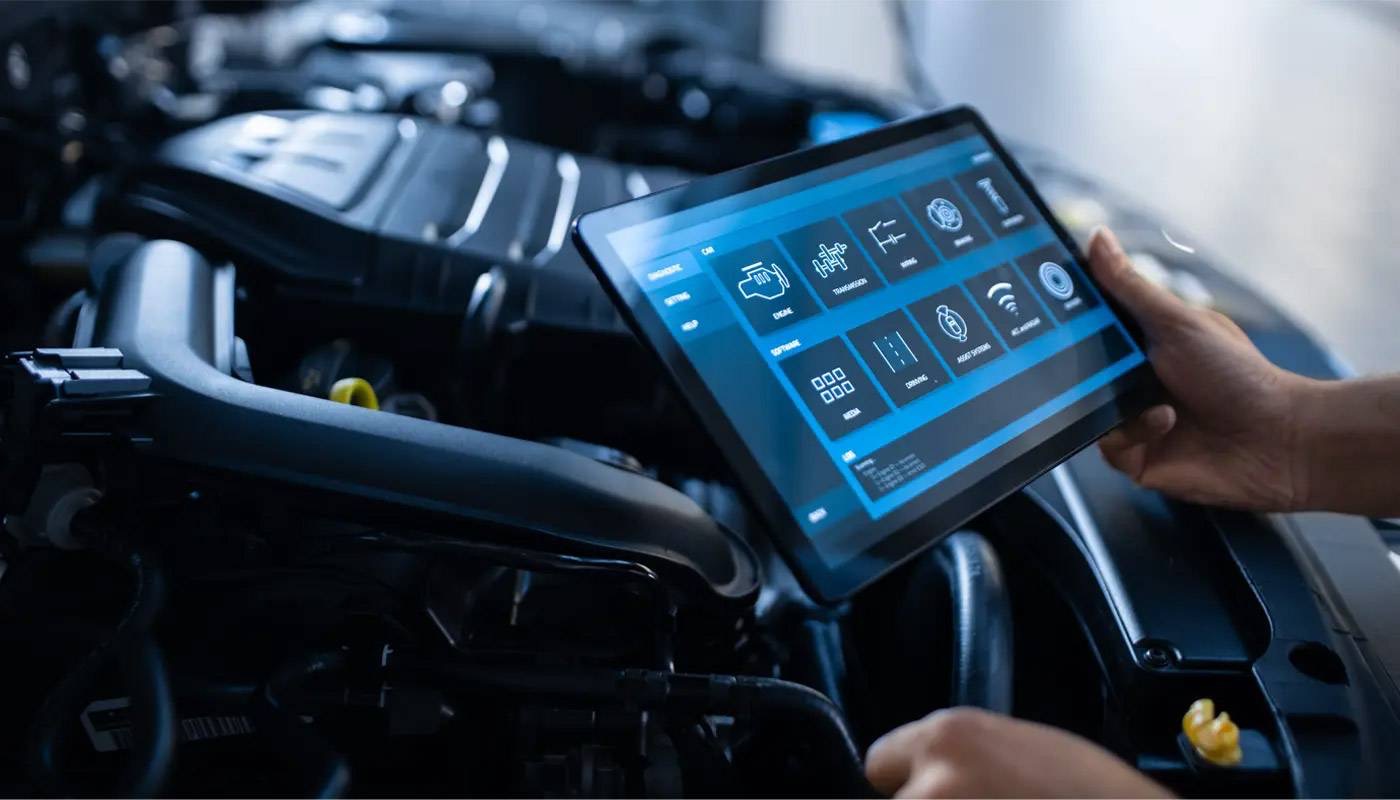
    As mechanics take a back seat, electronics and software are becoming the new heart of automotive repair. Diagnosis is now taking precedence over physical intervention, and understanding energy management systems is becoming essential. But these developments are opening up new prospects. On a European scale, the rise of the electrical sector could generate more than 200,000 jobs in areas such as winding, wiring and power electronics. But these new jobs will not automatically compensate for the losses, because they require hybrid profiles at the crossroads of mechanics, electricity and IT, which are still all too rare in the current industry.
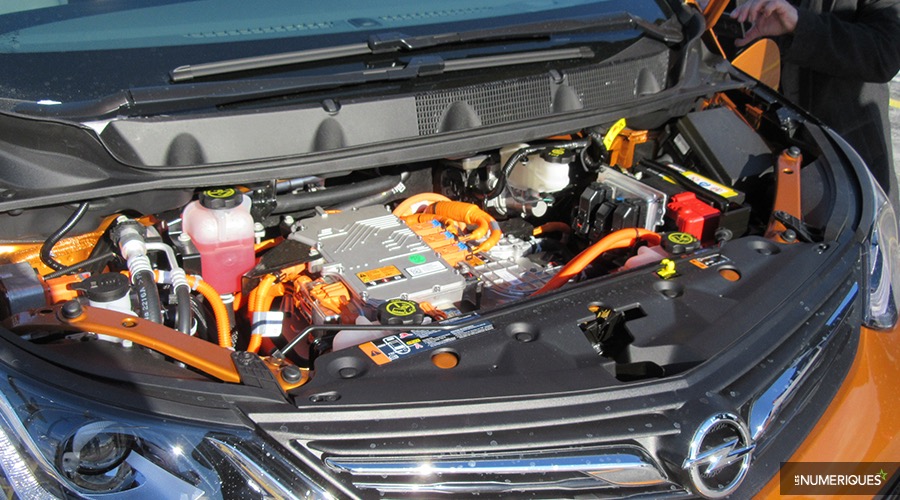
    Photo credit: The electric motor of the Opel Ampera-e – Les Numériques

    An asymmetrical transition towards more training

    Independent car mechanics find themselves in a paradoxical situation. In the short term, they are relatively protected by an ageing vehicle fleet, with an average age of over 12 years, still largely dominated by combustion engines. This gives them economic breathing space, but it can also delay a much-needed adaptation. Access to technical data on electric vehicles remains complex and costly, specialised training courses on batteries or high voltage represent a heavy investment, often between €1,500 and €3,000 per module, and competition from manufacturer networks is increasing. Without support, the risk is that the self-employed will be confined to maintaining a fleet at the end of its life, while the added value of electric vehicles is concentrated elsewhere.

    In this context, training appears to be the main lever for avoiding a lasting break in the industry. According to projections published by the ANFA and the French Senate, up to 75,000 net jobs could be at risk if skills development does not keep pace with electrification. Specialised establishments, such as GARAC, are already experimenting with courses dedicated to electric and hybrid vehicles. But without massive public investment and a coherent national strategy, these initiatives risk remaining marginal. It’s not just about technology: it’s also about making changing professions more attractive again, by showing that the electric car can offer skilled, sustainable and rewarding careers.

    A transition to be managed, not subjected to

    The electrification of the French car fleet does not signal the end of car repair, but rather a change in its nature. It is redistributing value, transforming skills and requiring rapid adaptation throughout the industry. If the transition is not anticipated, there is a risk that the network of workshops, particularly independent ones, will be weakened over the long term, to the detriment of proximity and local employment. Conversely, if supported, structured and financed, this change can become an opportunity. The energy transition can only be fully successful if it is as social as it is professional. The future of electric mobility lies as much in the batteries and software as in the ability of the men and women in the automotive repair industry to make these new tools their own.
  • UK to tax EVs and PHEVs per kilometre

    UK to tax EVs and PHEVs per kilometre

    From April 2028, drivers of electric vehicles and plug-in hybrids in the UK will pay a tax based on the number of kilometres driven. In this way, London is seeking to compensate for the gradual collapse in revenue from fossil fuels, without breaking the momentum of the electric market.

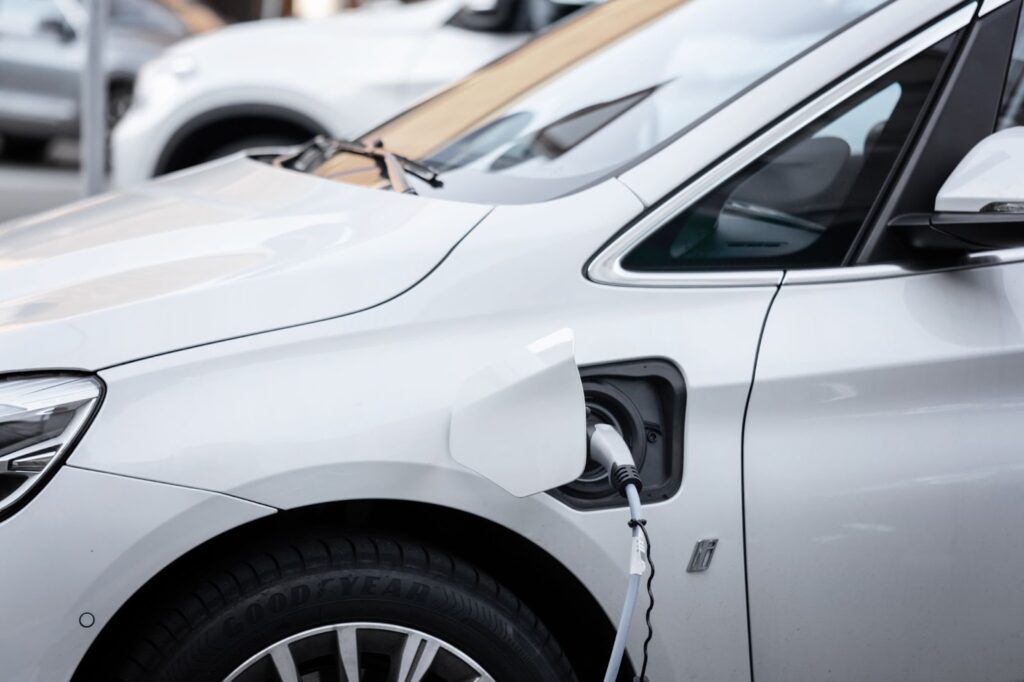
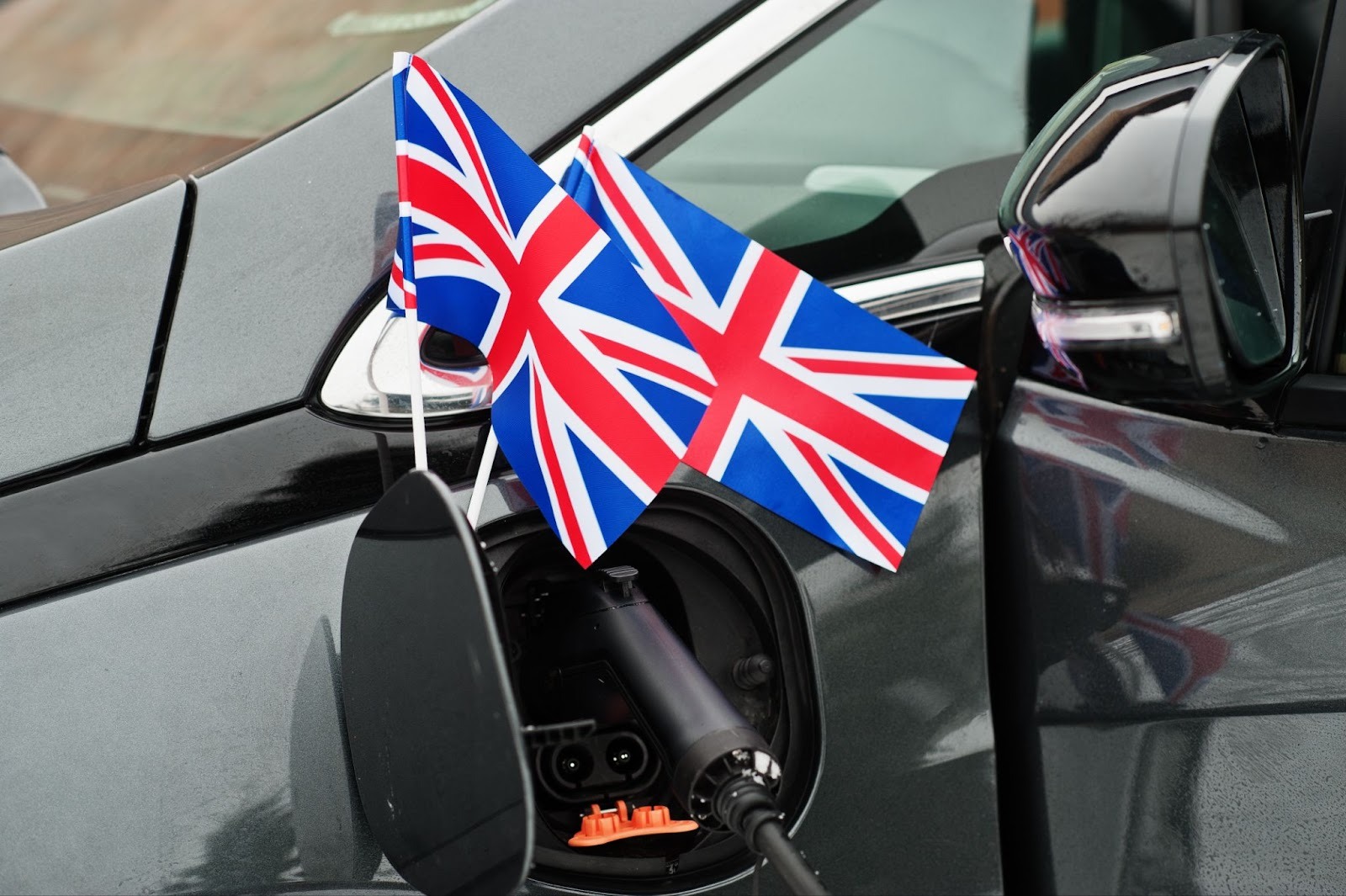
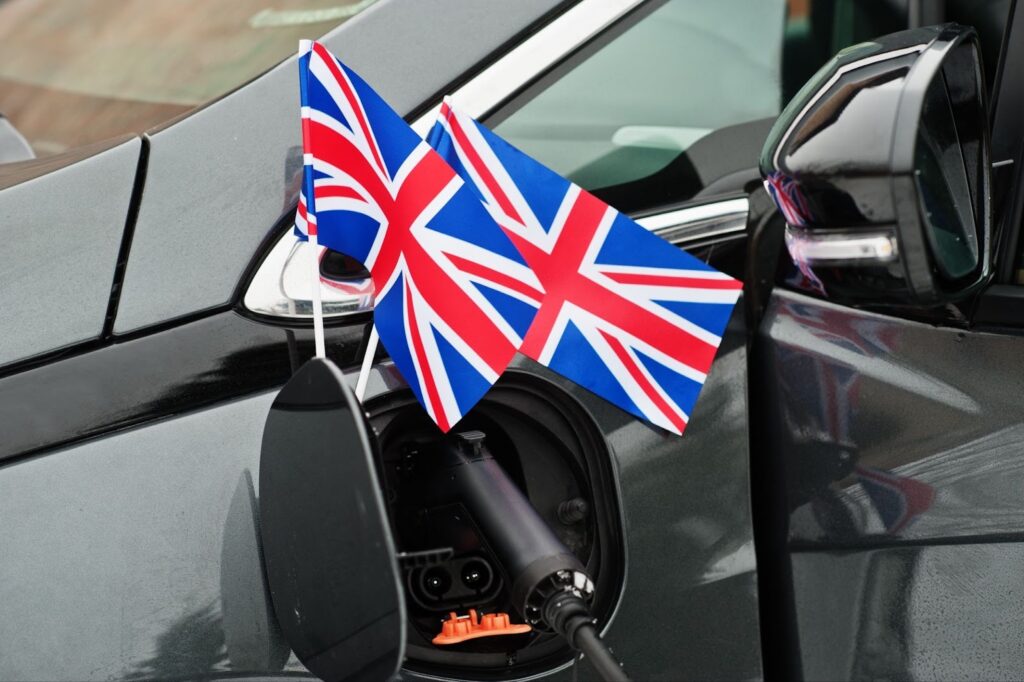
    Electric car charging with UK flag
    An electric car recharges in the UK, a symbol of the future kilometre tax (Credit: Envato)

    A tax designed to avoid a shock

    The UK government is planning to introduce a kilometre charge for all electric and plug-in hybrid vehicles. The measure will come into force in April 2028, marking the transition from a fuel-based tax model to one based on usage. This new logic responds to a clear budgetary challenge: the continuing decline in sales of combustion-powered cars is leading to an equivalent fall in tax on petrol and diesel. The future rate will be set at around half of the fuel tax currently applied to drivers of petrol or diesel cars. To be more concrete, 100% electric cars will pay 3 pence per mile, while plug-in hybrids will pay 1.5 pence. According to the Office for Budget Responsibility (OBR) estimate, an EV driver travelling around 8,500 miles a year will pay around £255 in mileage tax in 2028-29.

    Added to this is the fact that the annual Vehicle Excise Duty (VED) has been payable on EVs since 2025. The new levy therefore does not replace existing taxes, but complements them. The money raised by this new tax will go directly towards road maintenance: the government has promised to allocate this revenue to maintaining and improving the local road network, with a target of around £2 billion a year by 2029-30. To minimise concerns about surveillance, the system will not rely on real-time tracking. Drivers will have to estimate their annual mileage, pay the tax in advance, and then regularise their contribution according to the meter at the end of the year.

    Electric car charged at a charging point
    An electric car being recharged, a symbol of the booming electric market (Credit: Envato).

    A response to a colossal revenue shortfall

    TheOBR predicts that the loss of revenue due to falling fuel taxes (VAT, excise duty, fuel duty) will be major by 2050. Per-kilometre tax could offset around a quarter of this loss, generating an extra £1.4 billion a year according to government projections. The government also intends to maintain other sources of revenue, in particular via the annual Vehicle Excise Duty (VED), which has been applied to EVs since 2025, and taxation of public charging at standard VAT rates.

    The UK is trying to reconcile two contradictory imperatives: finding new sources of revenue while continuing to encourage motorists to abandon internal combustion engines. The tax is therefore intended to be measured, almost diplomatic, to avoid discouraging those who are still hesitating to switch to electric cars. But the measure raises an even more important fundamental question. According to the OBR, it could reduce demand for EVs by an estimated 440,000 fewer sales over the next few years. At the same time, the government is maintaining incentives to buy EVs, such as subsidies to support the market despite the increased tax burden.

  • BYD aims to turn the European premium market on its head by 2026

    BYD aims to turn the European premium market on its head by 2026

    The Chinese brand BYD is preparing a muscular arrival in Europe with Denza, its new premium brand. Its design, power and technologies demonstrate BYD’s ambition to take on the benchmarks of the European market from 2026. Denza is not intended to be a sub-label, but a showcase for top-of-the-range electric vehicles made in China.

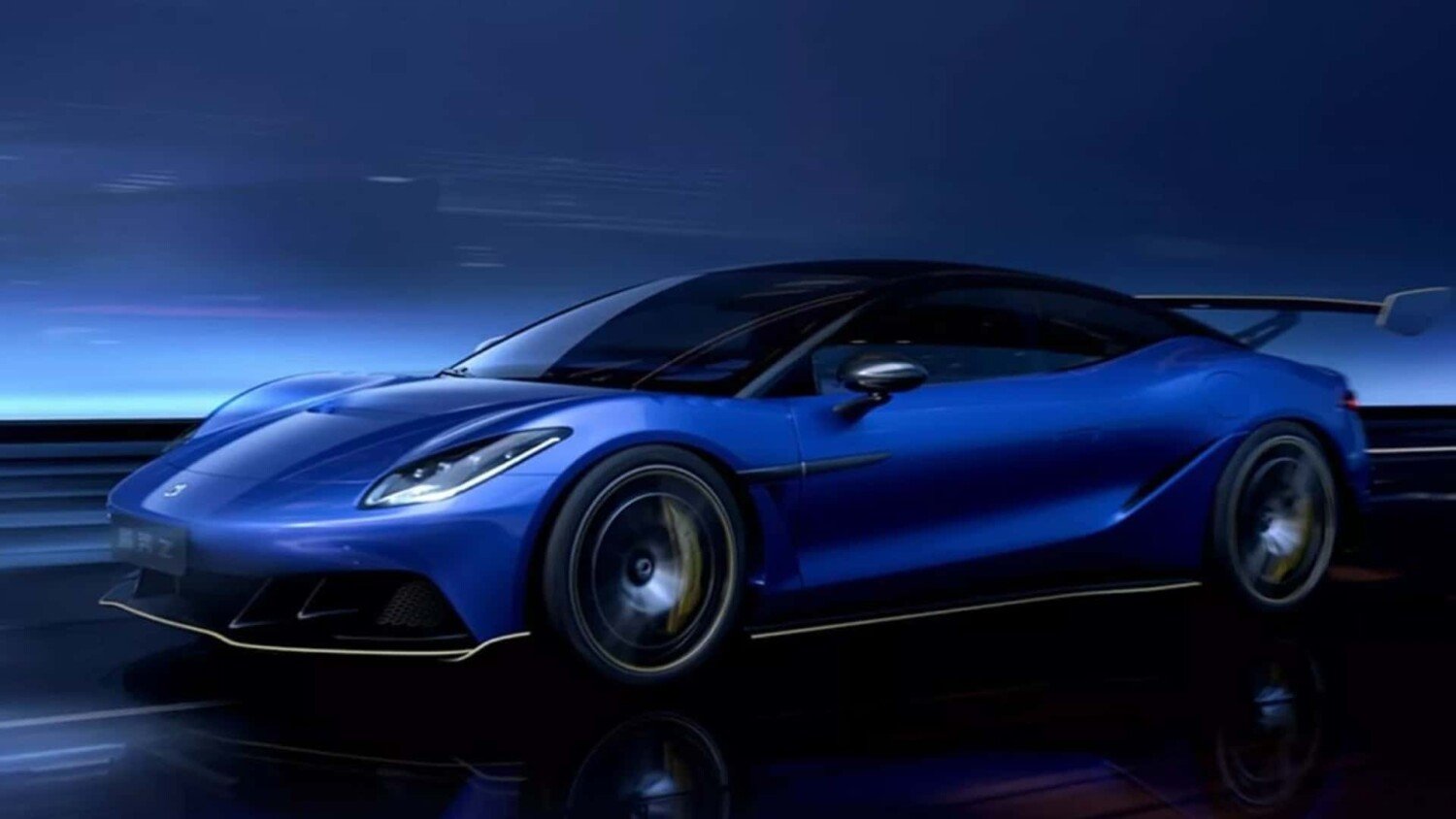
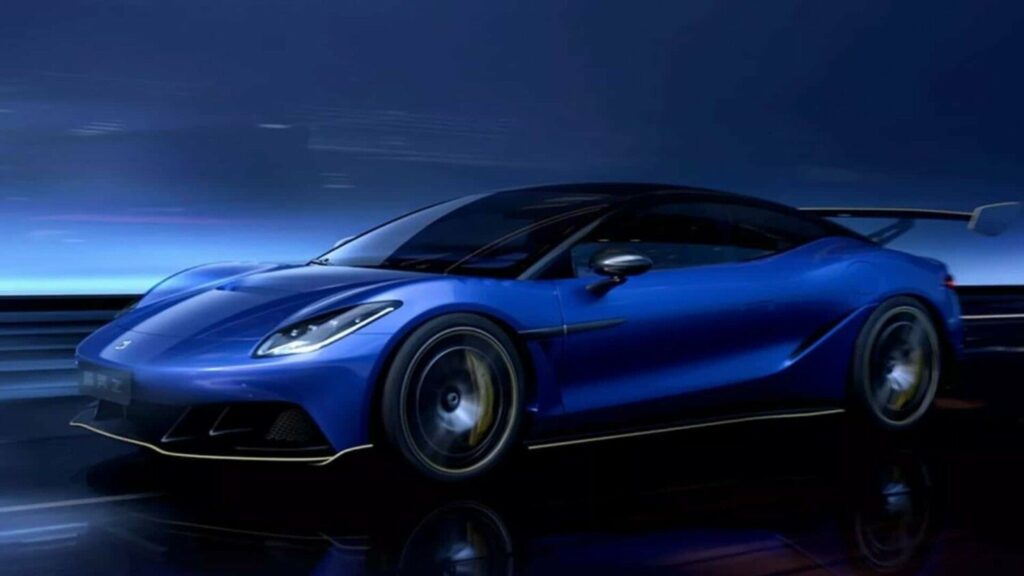
    BYD Denza Z electric supercar in Europe 2026
    BYD’s Denza Z, a top-of-the-range electric supercar ready to conquer the European market from 2026. (Credit: Denza)

    An electric supercar developed to challenge Europe

    The Denza Z is BYD ‘s sporting showcase and is already in the final stages of development. The brand is testing the model on the Nürburgring circuit to fine-tune its handling and performance. Its claimed power exceeds 1,000 bhp, making the Z one of the most muscular electric supercars in the making. The intelligent magnetic-fluid suspension, known as Disus-M, promises great finesse in chassis management. The electric steering (steer-by-wire) improves responsiveness, a necessary asset for a model that aims to be both track and road-legal.

    The styling of the Denza Z was entrusted to Wolfgang Egger, Audi’s former design boss. The result is a sculpted, low-slung coupé designed to optimise every air flow, with taut lines and studied aerodynamic surfaces. The concept features retractable handles and steering wheel, a rare technological feat in this segment. Braking performance is enhanced by an imposing braking system, adapted to the likely power and weight of the machine. This attention to design and engineering is clearly intended to appeal to a demanding public, ready to give an electric sports car from China a chance.

    An arrival to compete with European premium

    The manufacturer is aiming for a European launch in 2026, with the Denza brand scheduled to be launched in France in the spring. However, according to the latest information, the Z model could actually arrive in 2027, giving BYD a little time to fine-tune the details. Denza wants the Z to be the equivalent of an ‘electric 911’, a direct rival to the Porsche 911 and Mercedes-AMG GT, but in electric form. There could also be a convertible version, which would broaden the range. But for the moment, the focus is on the coupé.

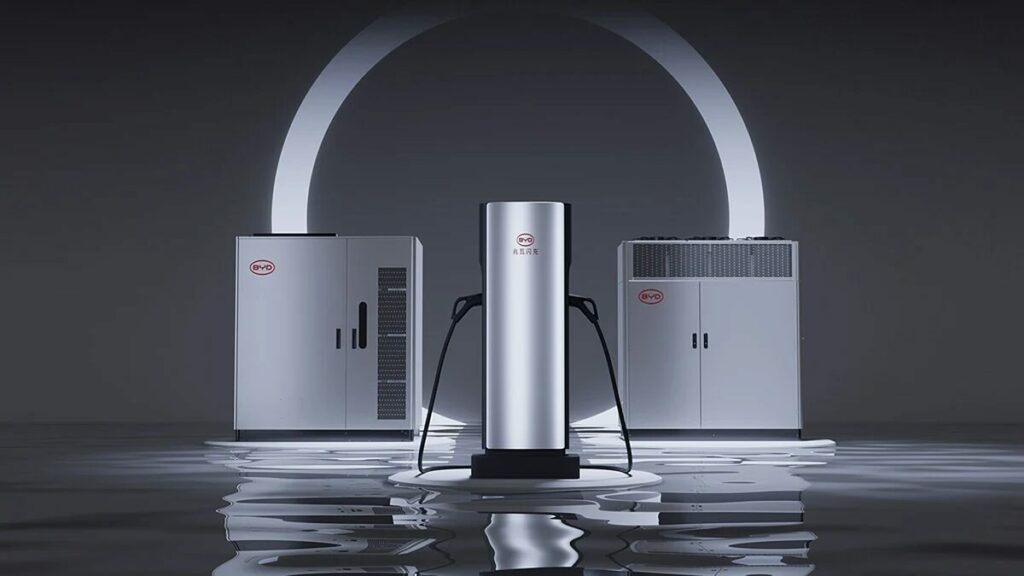
    At the same time, BYD is preparing to roll out a network of ultra-fast charging points (up to 1,000 kW) in Europe, to accompany Denza models from 2026. This network, dubbed “Flash Chargers”, could enable a compatible car to be recharged in just a few minutes, a major technological argument to win over demanding customers.

    BYD Flash Chargers in Europe
    BYD’s Flash Chargers, capable of recharging an electric car in just a few minutes, to accompany the Denza Z and premium models. (Credit: BYD)

    The future of electric cars according to BYD

    Other new models follow, such as the Denza Z9 GT, an electric (or hybrid) hunting estate or grand tourer capable of competing with models such as the Porsche Panamera or the Taycan Sport Turismo. According to Chinese technical specifications, the electric version of the Z9 GT has 965bhp and a CLTC range of 630km. The plug-in hybrid version of the Z9 GT combines an internal combustion engine with electric motors to achieve close to 1,000 hp, depending on the configuration. When the Denza models arrive in Europe, they will mark BYD’s entry into the premium segment, based on modern technologies, a sophisticated design and a diversified range.

    The Denza Z is the figurehead of this ambitious strategy. It embodies BYD’s desire to combine extreme performance, meticulous design and cutting-edge technology in a prestigious electric car. This supercar symbolises the audacity of Chinese manufacturers: to compete directly with historic European sports cars. With the rise of Denza, the arrival of an ultra-fast recharging network and a variety of models, BYD intends to make its mark in the premium electric segment in Europe. The offensive appears to be well structured, and the Denza Z is a clear demonstration of this.

  • Electricity for delivery: Chronopost makes its deliveries faster and cleaner

    Electricity for delivery: Chronopost makes its deliveries faster and cleaner

    A year has passed since the first tests between Chronopost and Electra (November 2024) and the assessment seems to have given ambition. More deliveries, less CO₂ and a sustainable fleet with a target of 43% low-emission vehicles by 2030. In Paris, 100% “clean” delivery is already a reality.

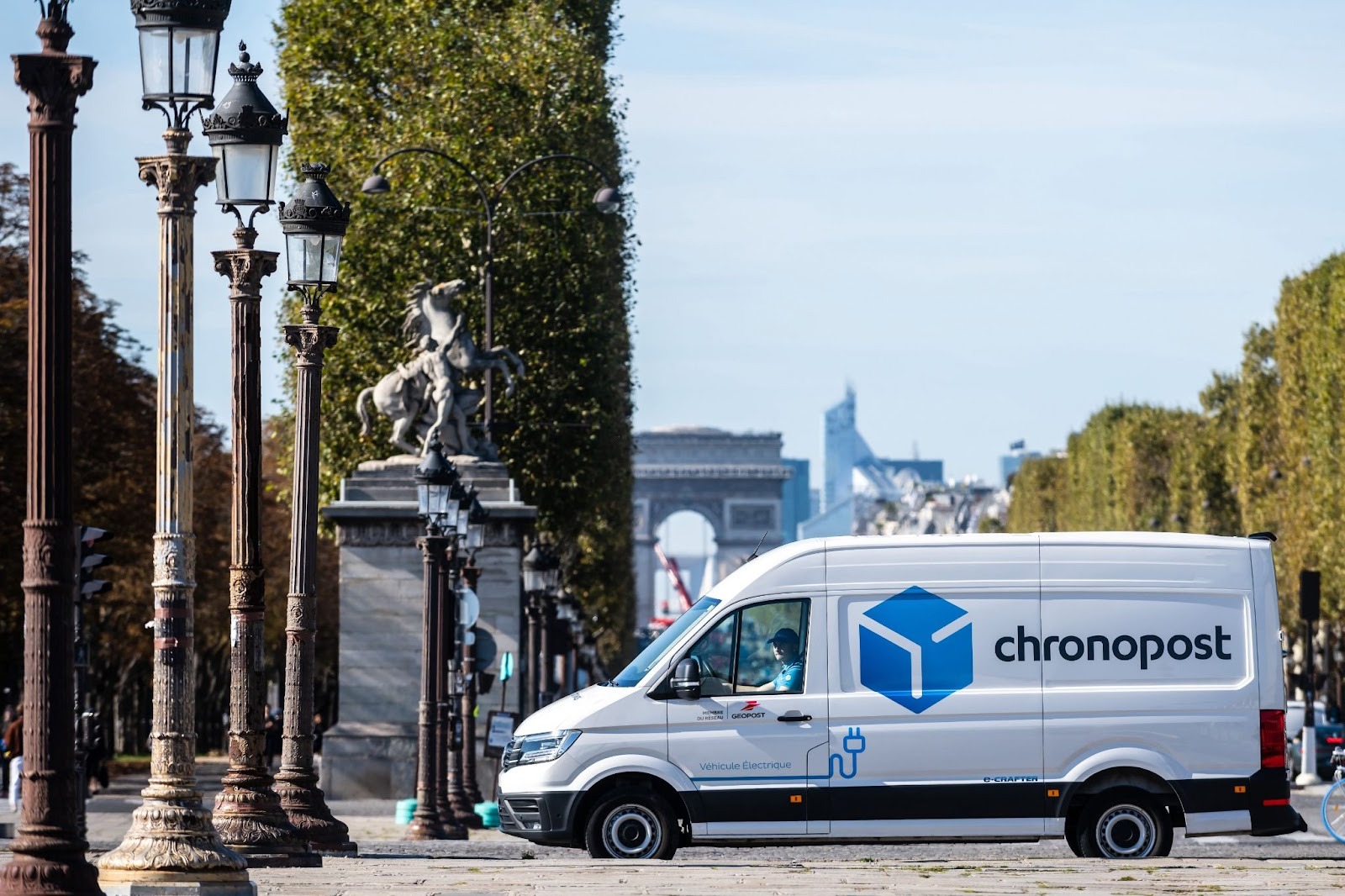
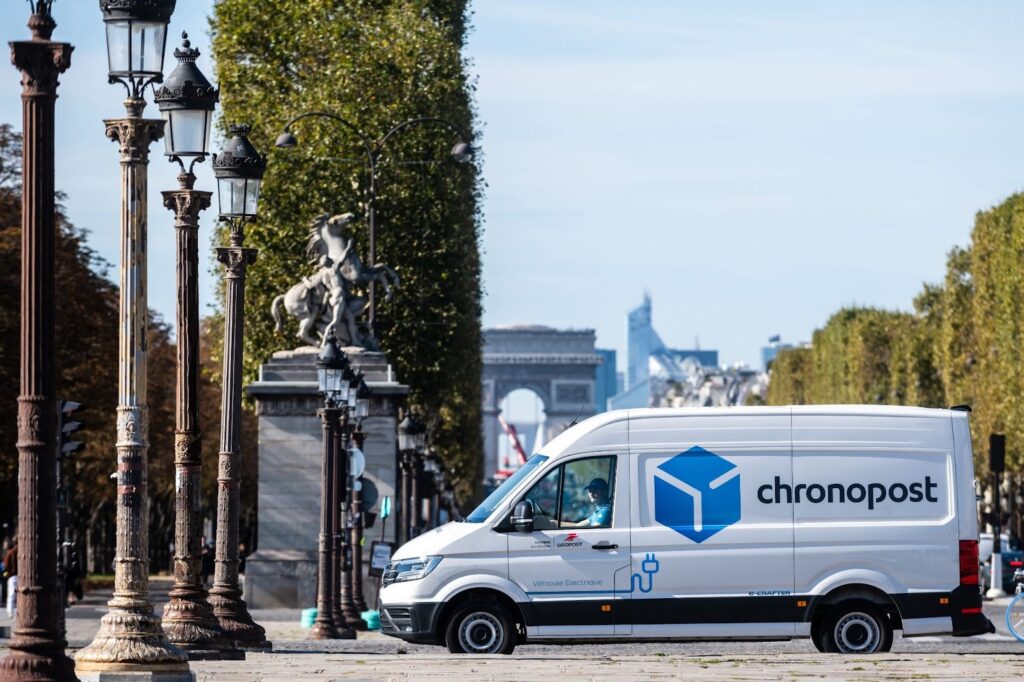
    Chronopost electric van in profile on the Champs-Élysées
    A Chronopost 100% electric van drives along the Champs-Élysées, illustrating clean urban delivery (Credit: Coworkcom & Chronopost).

    Ultra-fast terminals and a dense network

    Since November 2024, Chronopost has been experimenting with Electra charging stations of up to 400 kW, which is rare in the French ecosystem. With this level of power, vehicles can regain their range in just 12 to 20 minutes, compared with several hours at conventional charging points. This time saving is a real game-changer: delivery drivers can do more rounds without having to take long breaks. And the results are clear to see: with these kiosks, the number of daily deliveries has risen from thirty to almost 100, according to internal figures. For its part, Electra offers an already solid network: more than 579 stations open today and powerful charging stations capable of recharging up to 400 km of range in 20 minutes. These stations can be accessed via the Electra app, which allows users to reserve their charging point in advance, guaranteeing a charging point when their vehicles need it.

    The Electra network covers a large area, giving Chronopost ultra-fast terminals close to its depots. This logistical density offers considerable flexibility: delivery drivers don’t waste time going too far to recharge, and branches can plan their rounds more fluidly. Feedback from the teams on the ground is largely positive: the stations are well located, access is controlled and operational support is responsive. At the same time, Chronopost is strengthening its urban infrastructure via its Espaces Logistiques Urbains (ELU) and its “ChronoCity” miniboutiques, located in the heart of neighbourhoods. These sites enable parcels to be centralised and then delivered using light vehicles, further reducing the carbon footprint of urban distribution.

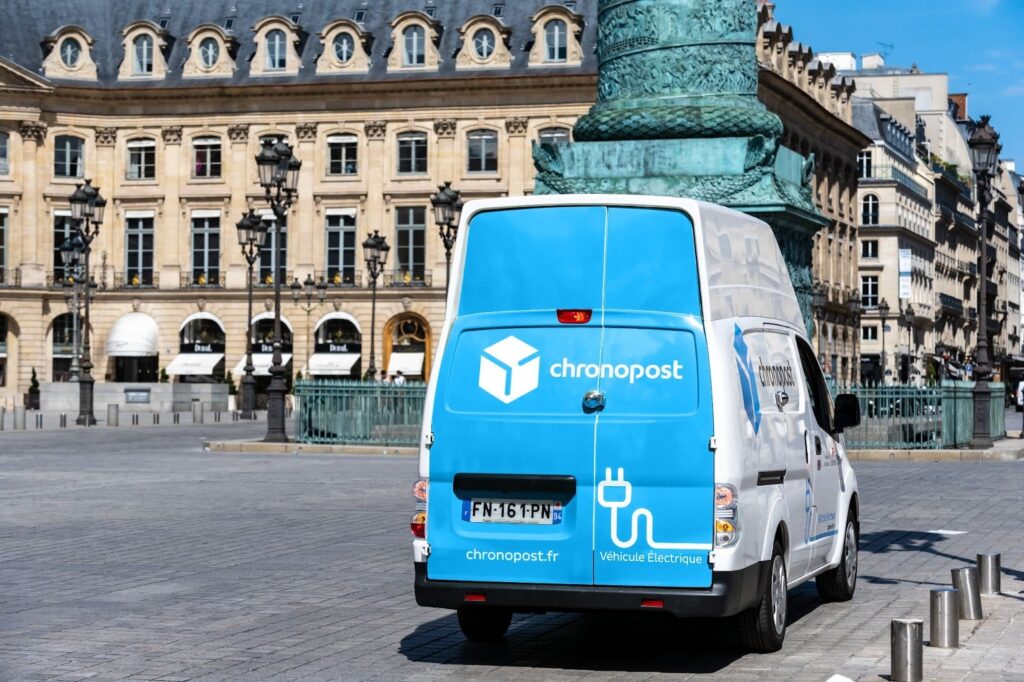
    Chronopost electric van seen from the back during an urban delivery
    The Chronopost electric van seen from the back, demonstrating the efficiency of the sustainable urban fleet. (Credit: Coworkcom & Chronopost)

    Towards an ever-greener fleet

    Currently, 21% of the Chronopost fleet is electric, i.e. around 1,345 vehicles. The ambition is to reach 3,188 electric vehicles by 2030, i.e. 43% of the fleet. This is a real gamble on “sustainable delivery” and carbon footprint. Chronopost is not starting from scratch, however: for several years it has been investing in low-emission vehicles (electric, NGV, bicycles). In Paris, for example, 100% “clean” delivery is already a reality, with a fleet of electric and NGV (natural gas for vehicles) vehicles. In Nantes too, Chronopost has installed terminals and put 100% electric vehicles on the road. In some branches, such as Valence, recharging stations have been added to support this transition. Electrifying deliveries significantly reduces emissions: in Paris, transport by “clean” vehicles avoids 560 tonnes of CO₂ and 99% of fine particles. Chronopost is thus aiming for a greener logistics model while maintaining fast delivery times.

    Finally, in terms of CSR, the company is confirming its commitment: it recently obtained the Platinum EcoVadis rating, one of the highest scores in its sector. The electrification of deliveries has a real impact on CO₂ emissions and urban pollution. In Paris, the project has already significantly reduced street pollutants while maintaining reliable delivery times. This model proves that ecology and logistics performance can go hand in hand. In terms of social and environmental responsibility, Chronopost has a solid commitment: the company renewed its Platinum EcoVadis certification in 2024, with a score of 81/100. This score reflects not only its efforts to green its fleet, but also progress in ethics, responsible purchasing and governance.

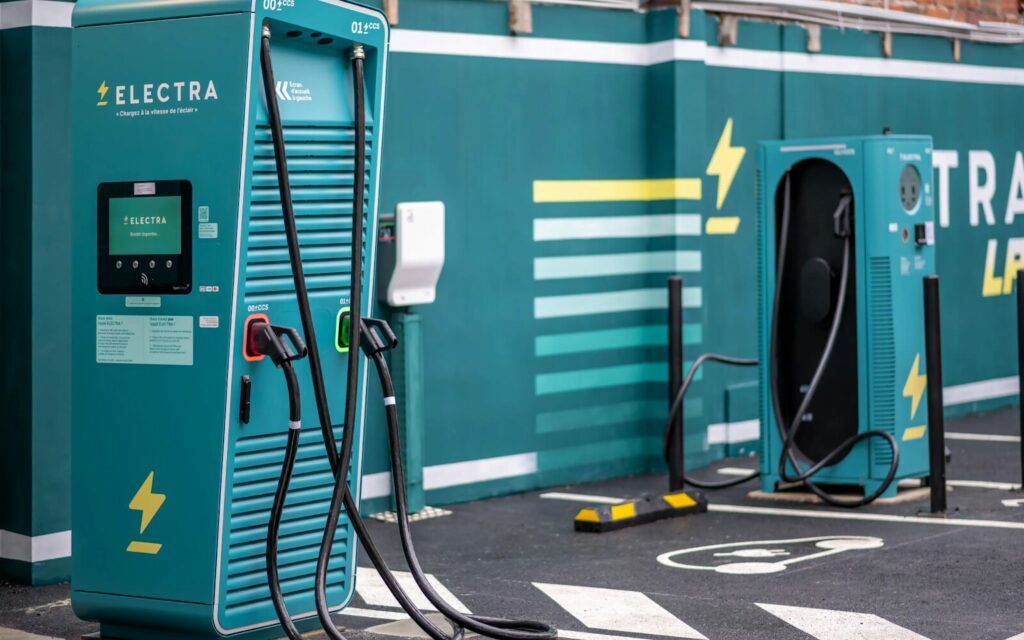
    Electra ultra-fast charging stations for electric vehicles
    Electra terminals enabling Chronopost’s electric vehicles to recharge quickly and continue their rounds. (Credit: Electra)

    Limits and future challenges

    Although the results are largely positive, a few challenges remain. The maximum power of Electra terminals depends on vehicle compatibility: not all vehicles can take full advantage of this speed. Another constraint is that the possible saturation of the charging points can temporarily reduce their efficiency. Finally, to ensure the long-term viability of this strategy, Chronopost must continue to invest in its infrastructure and in optimised recharging solutions, while ensuring that these investments are profitable or at least viable in the long term. But so far, the company seems to be making good progress in this direction. Thanks to its partnership with Electra, Chronopost is succeeding in a twofold challenge: increasing the speed of its deliveries while significantly reducing its carbon footprint. While there are still many technical and logistical challenges, the initiative is a good illustration of how electric vehicles can transform the last mile of delivery, making cities cleaner and routes more efficient.

  • Electric vehicles as towing vehicles: promises, constraints and realities

    Electric vehicles as towing vehicles: promises, constraints and realities

    Towing a trailer or caravan with an electric car may still seem unlikely. However, this use is becoming credible thanks to the rapid progress in the sector. The TCS (Touring Club Schweiz) now provides a detailed perspective on what electric vehicles can really do. It highlights their strengths, but also their limitations, particularly in terms of range and charging.

    Electric car with parked trailer
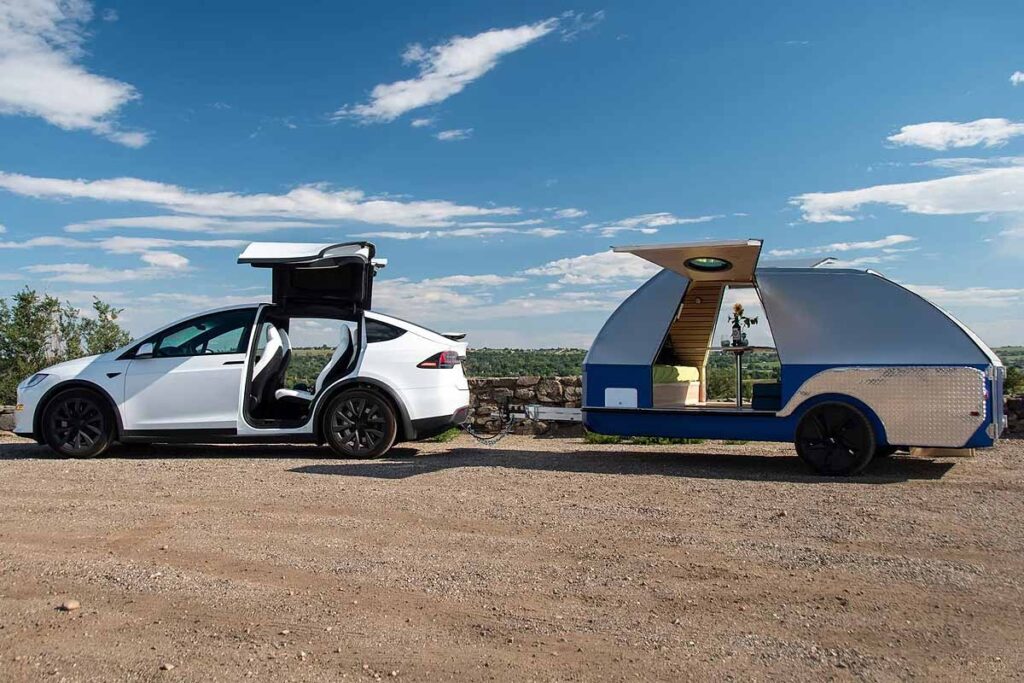
    Electric car parked with trailer attached (Credit: Colorado Teardrops)

    When electric meets towing

    The idea of using an electric vehicle for towing may still surprise some, but certain models already rival conventional cars. For example, the Tesla Model X can tow up to approximately 2,250 kg according to the manufacturer’s manual. Its instant torque makes starting with a load, accelerating, and climbing steep inclines easier. This power also reduces the risk of overheating, which is common in some conventional clutches under heavy load. Currently, a few models such as the Mercedes G 580 electric or the Maxus eTERRON 9 can even tow up to 3.5 tonnes, placing them on par with good combustion vehicles. However, power alone does not guarantee safety. Vehicle balance remains essential for safe driving. The TCS notes that roll-assist systems improve stability but never replace precise setup. Load distribution and tongue weight always play a major role in the behaviour of a towed combination.

    Even with these systems, towing a trailer requires constant vigilance. The TCS emphasises the importance of a properly calibrated vertical load to avoid dangerous reactions. A poorly balanced trailer can cause oscillations that neither the ESP nor the electronics can correct effectively. Electronics remain a support, not a miracle solution. The driver must adapt their driving, reduce speed, and anticipate every movement. An EV offers instant traction, but it never replaces careful driving.

    Range and consumption: the real challenge

    In reality, electric towing primarily presents a range challenge. Towing a trailer increases consumption and reduces the distance between charges. Travelling with a trailer in an EV is possible, but only with careful planning. Energy loss must be anticipated, the right charging stations selected, and longer breaks scheduled. Furthermore, current infrastructure complicates matters. Unlike petrol stations, it is often impossible to charge while keeping the trailer attached. Many charging points require perpendicular parking or tight manoeuvring. In most cases, the driver must detach the trailer, which inevitably extends the stop. This constraint can also block access for other users, creating extra stress for the driver and even potential collisions.

    To address this, the TCS highlights a useful solution: the “eTrucker” app. It allows filtering for charging points accessible without detaching the trailer. Originally intended for electric trucks, this feature also benefits electric cars with trailers. It helps plan charging stops and reduces surprises. However, this solution is temporary. The real need concerns charging points designed for vehicles with a tow. Developing such infrastructure will become crucial if towing with EVs becomes widespread.

    Mercedes EQC electric car side view
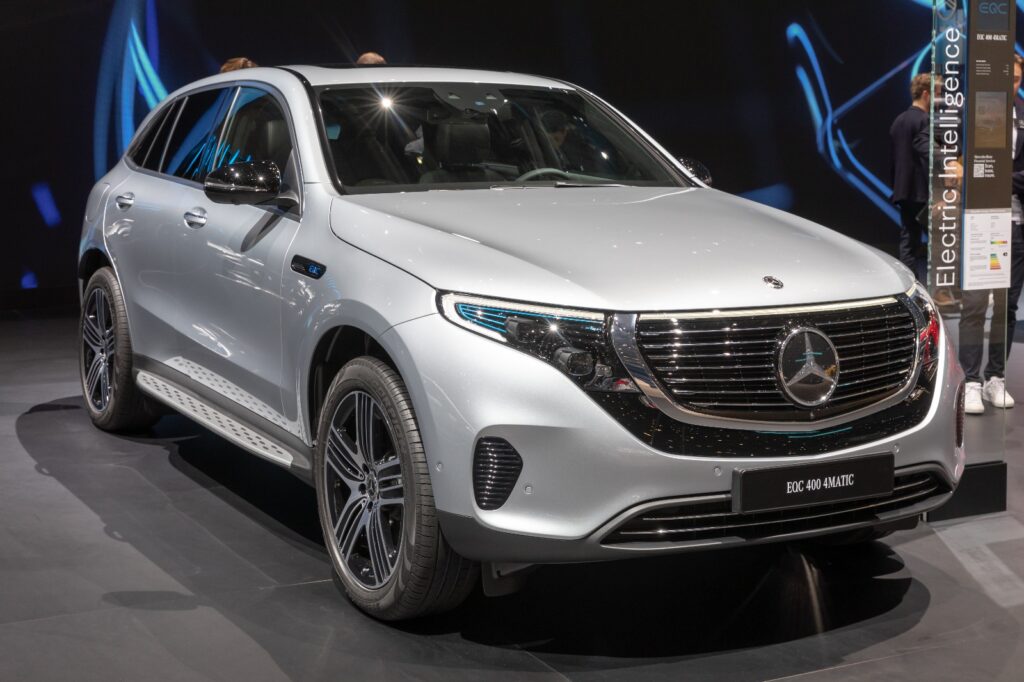
    The Mercedes EQC, capable of towing up to 1,800 kg according to TCS.

    Technology ready, but an ecosystem still in transition

    According to TCS tests, electric vehicles are fully capable of towing. Differences in consumption between an EV and a conventional car towing a trailer are generally limited. Technology is therefore no longer a barrier. Instant torque, no clutch, and smooth driving are real advantages. However, this use requires much stricter organisation than with a conventional vehicle. For example, other models such as the Mercedes EQC can tow up to approximately 1,800 kg according to specialist guides. More recently, sedans such as the Audi A6 e-tron report towing capacities of around 2,100 kg. Remaining obstacles are therefore not mechanical or technological, but logistical. The charging network is not yet adapted for vehicles towing a trailer. It remains designed for short, unattached cars. As long as this situation persists, long trips with a trailer in an EV will require more preparation and patience.

  • Xiaomi, the irresistible rise of a new electric giant

    Xiaomi, the irresistible rise of a new electric giant

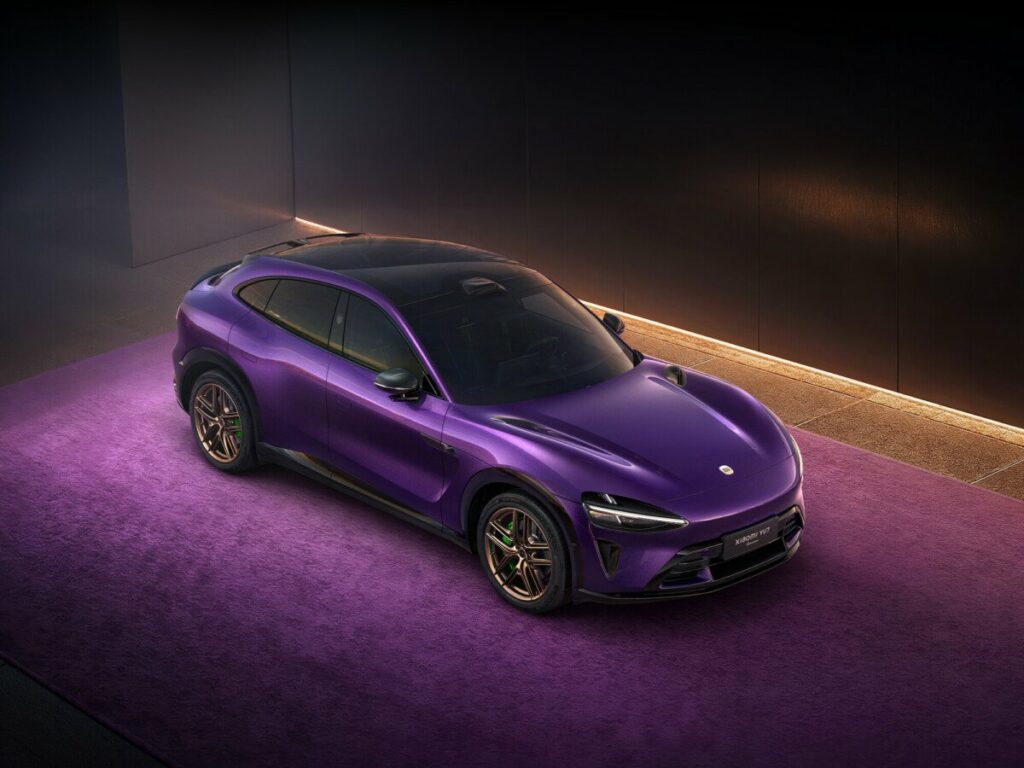
    In just a few years, the Chinese firm Xiaomi has transformed what looked like a daring gamble into a genuine industrial reality. Production is booming, the first models are solid, profitability is fast approaching and the company is scheduled to arrive in Europe. Xiaomi is no longer an outsider; it is now one of the hottest electric carmakers on the market.

    Xiaomi YU7 premium electric SUV 691 hp range 660-740 km WLTP
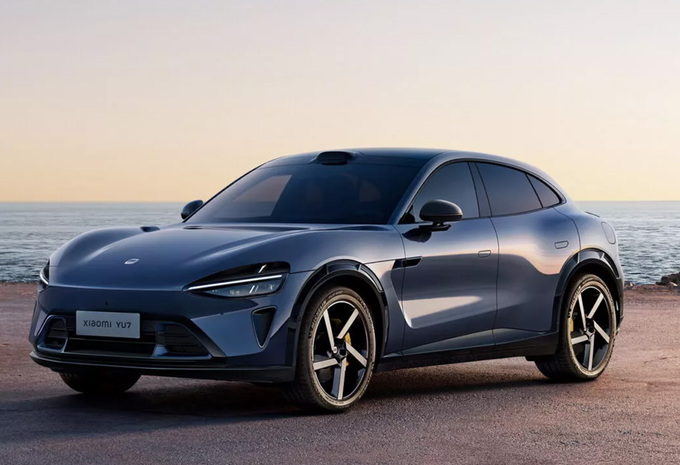
    The Xiaomi YU7: premium electric SUV with 691 hp and a range of up to 740 km (Credit: Xiaomi)

    Dazzling growth destabilises the industry

    2025 clearly marks a change of dimension for Xiaomi in the world of electric cars. Those who saw the brand as an over-confident newcomer are now being forced to reconsider. Barely four years after launching its automotive division, Xiaomi has already passed the symbolic milestone of 500,000 electric vehicles produced. For such a young brand, this is more than just an achievement, it’s a message sent to the entire industry.

    Sales momentum is following the same upward trajectory. Over the year as a whole, Xiaomi plans to deliver more than 400,000 cars, far exceeding its initial ambitions. And the pace is not slowing: more than 40,000 units sold in October 2025, a level already reached in September. This is no longer an isolated “good month”; it’s now a solid trend, showing that Xiaomi is not just experiencing a moment of grace, but rather a rise to power with lasting ambitions.

    Lightning profitability and a perfectly mastered range strategy

    The industrial performance is impressive, but the profitability is perhaps even more so. While the majority of new manufacturers take years to break even, Xiaomi has announced a profitable first quarter as early as 2025, just 18 months after the launch of its automotive division. In the third quarter, electric vehicles generated 28.3 billion yuan in revenue (around €3.4 billion). This performance places Xiaomi among the rare new players capable of eventually approaching the industrial and financial standards set by giants such as Tesla and BYD. This lightning success is due to a method that is well known to the brand: extensive integration, strict cost control, a locked-down software ecosystem and extremely rapid decision-making. In fact, Xiaomi is applying to the automotive sector the recipe that has made it so successful in the tech sector: iterate quickly, optimise continuously and lock in the user experience in a coherent environment.

    Xiaomi SU7 Ultra electric sports saloon aerodynamic design fast charging
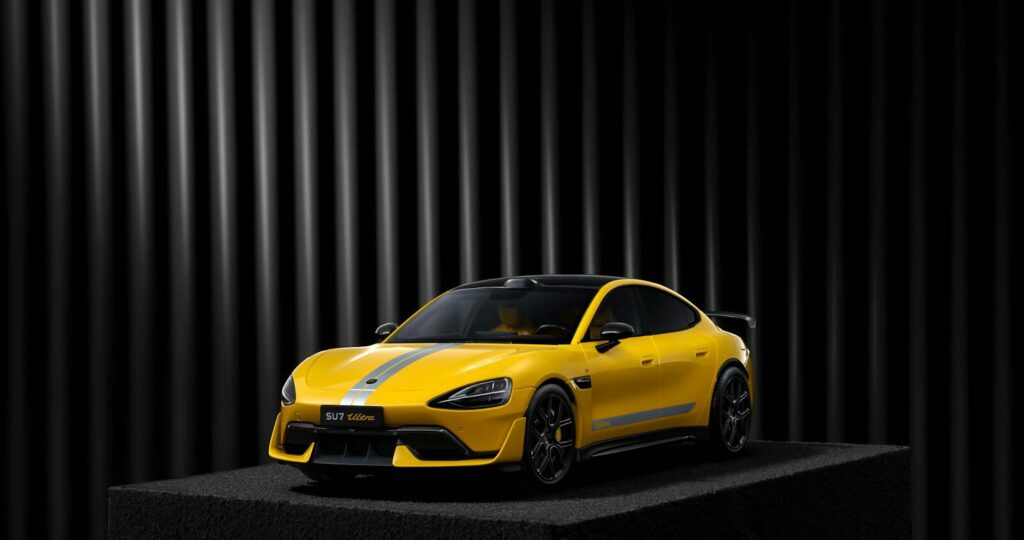
    The Xiaomi SU7 Ultra: an electric sports saloon with sharp styling and ultra-fast charging. (Credit: Xiaomi)

    On the product side, the strategy has been clear since the launch of the SU7, a sporty saloon with sharp styling, reminiscent of the philosophy of a Taycan that passed through the Xiaomi laboratory. With its taut lines, meticulous aerodynamics, advanced software integration and aggressive price/agility positioning, the SU7 set the tone. The manufacturer then extended its range with the YU7, a premium SUV based on the Modena platform. Available with rear- or all-wheel drive, and boasting 691bhp and a claimed range of between 660 and 740km WLTP, it’s right up there with the big boys. Recharging time is another point worth highlighting. Xiaomi claims a range of 220 km in five minutes, a technological showcase that confirms the manufacturer’s ambition to become a benchmark in electric performance.

    A major new player shaking things up

    Xiaomi clearly has no plans to remain confined to Asia. The company is preparing for its arrival in Europe by 2027, and it’s not doing so lightly. The brand is setting up an R&D centre in Munich, with the task of adapting future vehicles to European requirements: stricter safety standards, more rigorous road holding, revised acoustic comfort, adapted thermal management and specific calibration for high speeds on motorways. At the same time, Xiaomi is continuing to strengthen its image through communications focused on performance, software innovation and in-house records. The idea is clear: Xiaomi wants to establish itself as the most technologically advanced electric vehicle manufacturer even before it reaches European dealerships.

    Xiaomi SU7 sporty electric saloon
    The Xiaomi SU7 combines aerodynamic design, performance and advanced software integration (Credit: Xiaomi)

    Just as it has done in the smartphone market, the brand could be banking on a formidable cocktail of aggressive pricing and technical excellence. The least we can say is that, in just a few years, Xiaomi has gone from ambitious challenger to future heavyweight in global electric mobility. Exponential production, solid models, early profitability, clear international ambitions… All the signs are that Xiaomi has set in motion a sustainable dynamic. In a rapidly reshaping electric market, the manufacturer is already establishing itself as one of the players capable of reshuffling the deck on a global scale.

  • Google Maps uses AI to predict the availability of EV charging points

    Google Maps uses AI to predict the availability of EV charging points

    From next week, Google Maps will activate a new function that uses artificial intelligence to estimate how many charging points will be available by the time a driver arrives. The service will initially be deployed on Android Auto and in vehicles directly integrating Google services. With this update, the company promises to reduce one of the main frustrations of electric car drivers: unexpected queues at charging stations.

    Phone displaying Google Maps
    Google Maps uses AI to predict the availability of EV charging points

    An update with unprecedented scope

    To develop this new feature, Google is relying on its in-house AI model, Gemini. This tool continuously analyses two types of data: the history of use of charging points, i.e. the times when they are most in demand, average charging times, peaks observed during the week, and real-time information sent by operators. The idea is simple, but ambitious: rather than simply indicating whether a charging point is free, Google Maps will now try to predict what state the station will be in when the user arrives. This will avoid a situation that drivers are all too familiar with: setting off for a station that is displayed as available, only to find it occupied once they get there. Google sums up this philosophy by explaining that the feature aims to “help users avoid queues and save time”.

    In its official announcement, the company states: “Prediction of the availability of EV charging stations will be launched next week in Android Auto and in cars integrating Google services for hundreds of thousands of charging stations around the world”. This massive roll-out, without a test phase limited to just a few countries, shows just how strategic this issue is. Today, the availability of charging stations is one of the most decisive criteria in the electric driving experience, often even ahead of charging power. At the same time, Google is updating the Android Auto interface with more precise filters: recharging speed (slow, fast, very fast), payment methods accepted, compatibility according to standards, and accessibility according to vehicle type. This is an important development to avoid destination errors, a frequent problem, especially on long journeys.

    A response to a very real problem

    If Google is pushing this type of technology so quickly, it’s because the saturation of the recharging network is becoming an increasingly visible issue. Electric car sales are rising, but the infrastructure is following a less aggressive curve, sometimes creating occasional tensions. Anyone who drives an electric car has already experienced these situations: a charging point displayed as available in the application but then occupied, vehicles charging for longer than expected, stations closed for no apparent reason, or simply an accumulation of cars on the same charging point when going on holiday. By integrating historical data, Google Maps can anticipate these phenomena. For example, if a station is systematically full between 6 p.m. and 8 p.m. on weekdays, the application will be able to warn the driver in advance and suggest a better-positioned or less-frequented alternative.

    By redirecting some users to nearby charging points, Google can help to improve the distribution of traffic, a crucial issue in urban and tourist areas. For users, the benefit is immediate and visible. Anticipating the condition of a charging point before you go there means avoiding adding stress to an already long or busy journey. It also reduces dependence on a single operator or a single station, by providing access to a more global view of the network. On long journeys, where each stop has to be carefully thought through, this prediction can simplify planning: choosing a station in advance, adjusting your itinerary according to availability, or even reducing the number of stops if you know that the chosen terminal will be free at the right time.

    Electric car recharging at a charging point
    Anticipating the status of charging points with Google Maps saves time on EV journeys

    Google continues to make its mark on the EV ecosystem

    This new feature is the latest in a long line of functions dedicated to electric vehicles: estimated battery level on arrival, suggestions for optimised stops, advanced sorting of charging points, highlighting of ultra-fast stations, and integration of charging limits recommended by certain manufacturers. Maps is gradually becoming a real co-pilot for electric driving, with tools that go beyond simple navigation. The company is working to transform data into automatic or semi-automatic decisions, to lighten the driver’s load. At a time when the transition to electric vehicles is gathering pace, this type of functionality could become the norm and one of the criteria influencing the choice of vehicle or in-car multimedia system.

    With sales of electric vehicles growing faster than the deployment of new charging points, intelligent network management is becoming essential. Google Maps is not alone in this field, but its ability to centralise data from different sources gives it a major advantage. By predicting the availability of kiosks, Google is providing a technical response to a practical problem experienced daily by millions of motorists. A development that could well change the way we approach long-distance journeys… and finally reduce the “stress of recharging”.