Category: Advice

  • True or false? 10 common misconceptions about electric cars!

    True or false? 10 common misconceptions about electric cars!

    While electric mobility is becoming increasingly popular, preconceived ideas about it are multiplying. That’s why ECO MOTORS NEWS has sifted through 10 persistent clichés about electric cars to sort out the real from the fake…

    Credit: Jeffrey Correa

    “Electric cars pollute more than combustion cars because of their batteries”.

    False. Provided, of course, that you take into account the entire life of the electric car, from manufacture to scrapping, in your calculations. In fact, the CO₂ emissions that result from its manufacture are higher than those recorded during the manufacture of a combustion-powered car. It’s simple, most sources agree on one figure: during the manufacture of a battery, one kWh = 150 to 200 kg of CO₂ into the atmosphere. But, in use, the electric car quickly repays this debt by emitting, according to the Agency for Ecological Transition (ADEME), up to 20 times less CO₂ per kilometre. But it’s at the end of the dance that we pay the musicians. So what about a complete life cycle? Still according to ADEME, an electric car will have emitted 75g of CO₂/km compared with 190g CO₂/km for a combustion engine, i.e. 2.5 times less!

    “An electric car has zero emissions

    False: the media, manufacturers and even politicians generally use this shortcut to make a point. But as we saw earlier, the manufacture of the battery in particular, but also the origin of the electricity used to recharge an electric car, (slightly) increases its emissions.

    Credit: DR

    “Electric car batteries don’t last more than 3 years”.

    False. This persistent cliché stems from a lack of hindsight when it comes to the longevity of batteries, as the market was still in its infancy and for a long time there was insufficient data to establish an average. Today, it’s possible to say that a battery lasts between 8 and 12 years, and can be driven well over 100,000 kilometres. Batteries can then be reused in other, less energy-intensive applications, or simply recycled.

    “Electric car batteries cannot be recycled”.

    False: lithium-ion batteries, the most widely used today, can be recycled, and up to 95% of the materials used can be recovered! Admittedly, the industry is still a little ‘green’, but it is gaining in maturity and recycling plants have been or will soon be built to keep pace with the increasing volume of electric cars sold, whose batteries will one day have to be recycled.

    “Electric cars are cheaper to run”.

    True. Electric cars are generally more economical to run than their internal combustion counterparts. Depending on the model – and the driver’s driving style! – The TCO (Total Cost of Ownership) of an electric car is much lower than that of an equivalent internal combustion engine, and the monthly running cost can be up to 50% lower. The main reason is, of course, the savings on fuel, but maintenance, which is less frequent and involves fewer parts that are expensive to manufacture, is also less expensive.

    Credit: Hyundai Motor Group

    “It takes too long to recharge an electric car”.

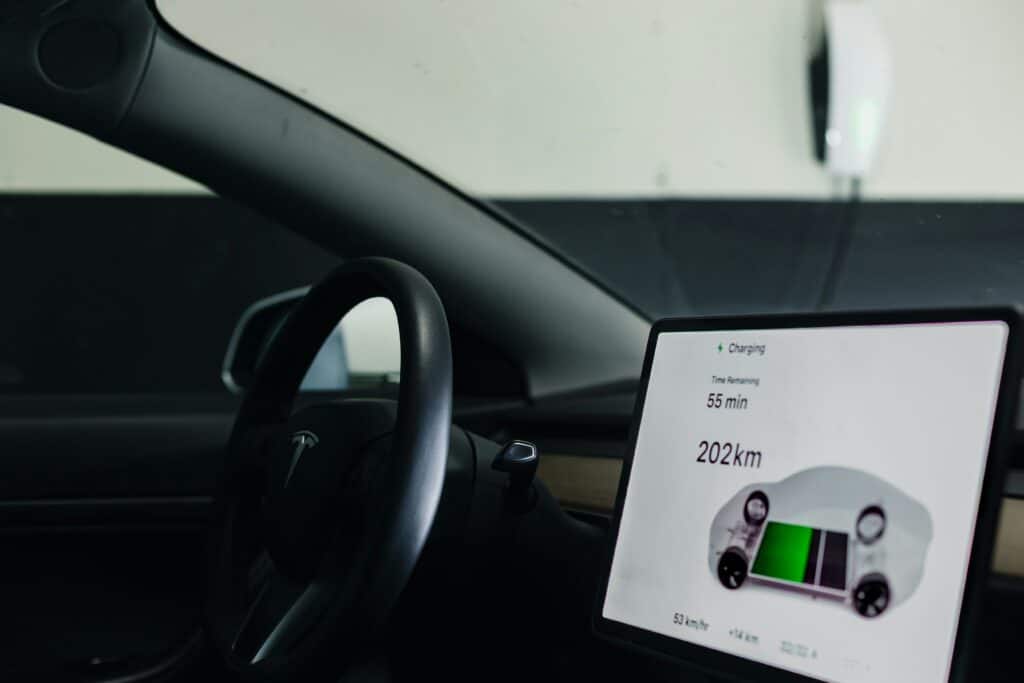
    True and false: recharging time depends on the power of the charging point and the capacity of the battery. Recharging at home can take up to seven hours, but on the motorway, fast-charging stations usually charge up to 80% in 30 minutes, or even 20 minutes depending on the supplier. That’s still longer than filling up with petrol, especially if you add the queues, but the constant increase in the number of charging points and the technological innovations under way will soon make it possible to shorten the length of stops even further.

    “Electric cars catch fire more often than internal combustion cars”.

    False. This cliché is tenacious. However, in early 2024, the US National Transportation Safety Board carried out a study that put an end to the debate. For every 100,000 100% electric cars sold, there were 25 fires. On the internal combustion side, 1,530 petrol vehicles caught fire for every 100,000 sold! It’s true, however, that putting out an electric car fire requires a lot more water, and that hybrids are more prone to fires than their electric and internal combustion counterparts. Perhaps that’s where the confusion comes from…

    “Electric cars are too expensive

    True, for the moment! The average purchase price of an electric car is higher than that of a combustion engine. But subsidies and the savings you make when you use the car will help to reduce the bill a little over time. And it’s a well-known fact that the more a market is democratised, the more prices fall. If we add to that the booming second-hand market, this statement will soon be nothing more than an old cliché…

    Credit: Martin Katler

    “It is impossible to make an electric car profitable”.

    False. On average, in France, an electric car costs its owner between €150 and €200 a month in fuel, maintenance and insurance – the rent and purchase price are included in the TCO – compared with €400 to €800 for a combustion engine. If we take the high average for electric cars and the low average for internal combustion, we still get a difference of €200 per month. For an electric car that costs €10,000 more than its internal combustion equivalent, it will take less than five years to find its way around.

    “The actual range of electric cars is much less than advertised”.

    True, because of the WLTP (Worldwide Harmonized Light Vehicles Test Procedure) protocol used to calculate the range announced on the technical data sheet. This protocol, like most standardised protocols, is not yet capable of recreating real-life driving conditions. As a result, it has been found that actual range can be between 10% and 30% less than the advertised range. Variations that depend on the owner’s driving style, the type of roads travelled, the climate, whether or not the air conditioning and heating are used – in short, just like on a combustion engine!

  • Electric cars: everything you need to know about home recharging

    Electric cars: everything you need to know about home recharging

    Practical and economical, home recharging is the preferred solution for electric car owners, nearly 90% of whom have one. Whether conventional or wall-mounted, in the garage or the car park of a condominium, it’s always advantageous and sometimes lucrative. Here’s everything you need to know about home charging.

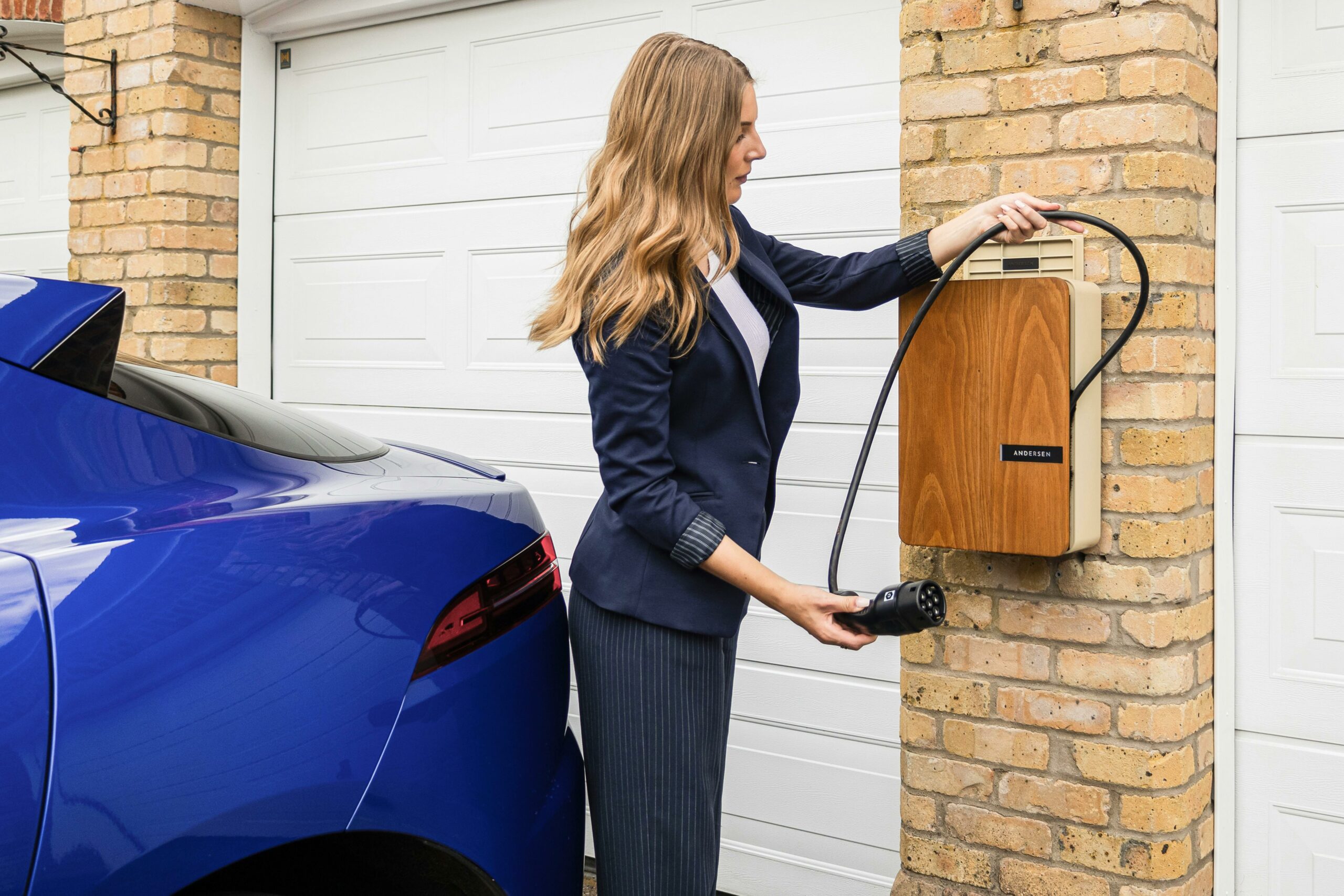
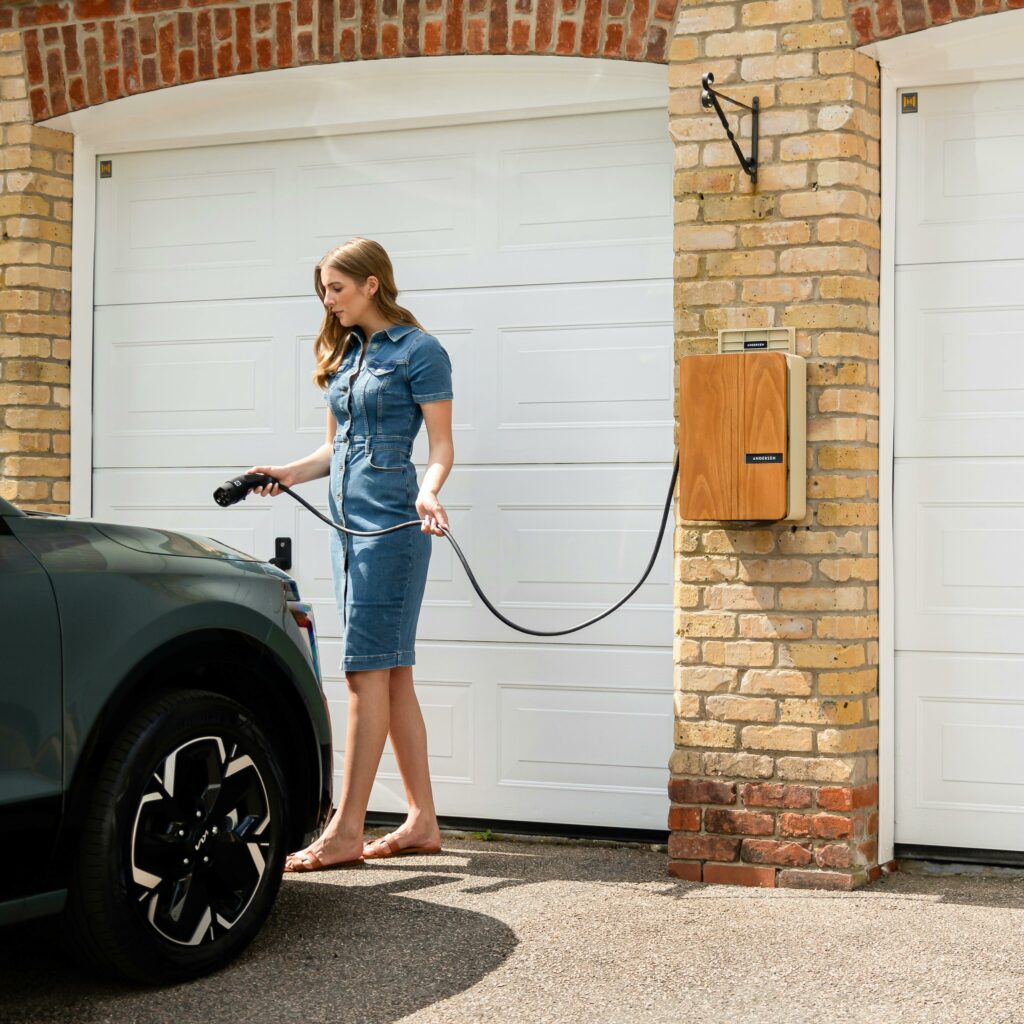
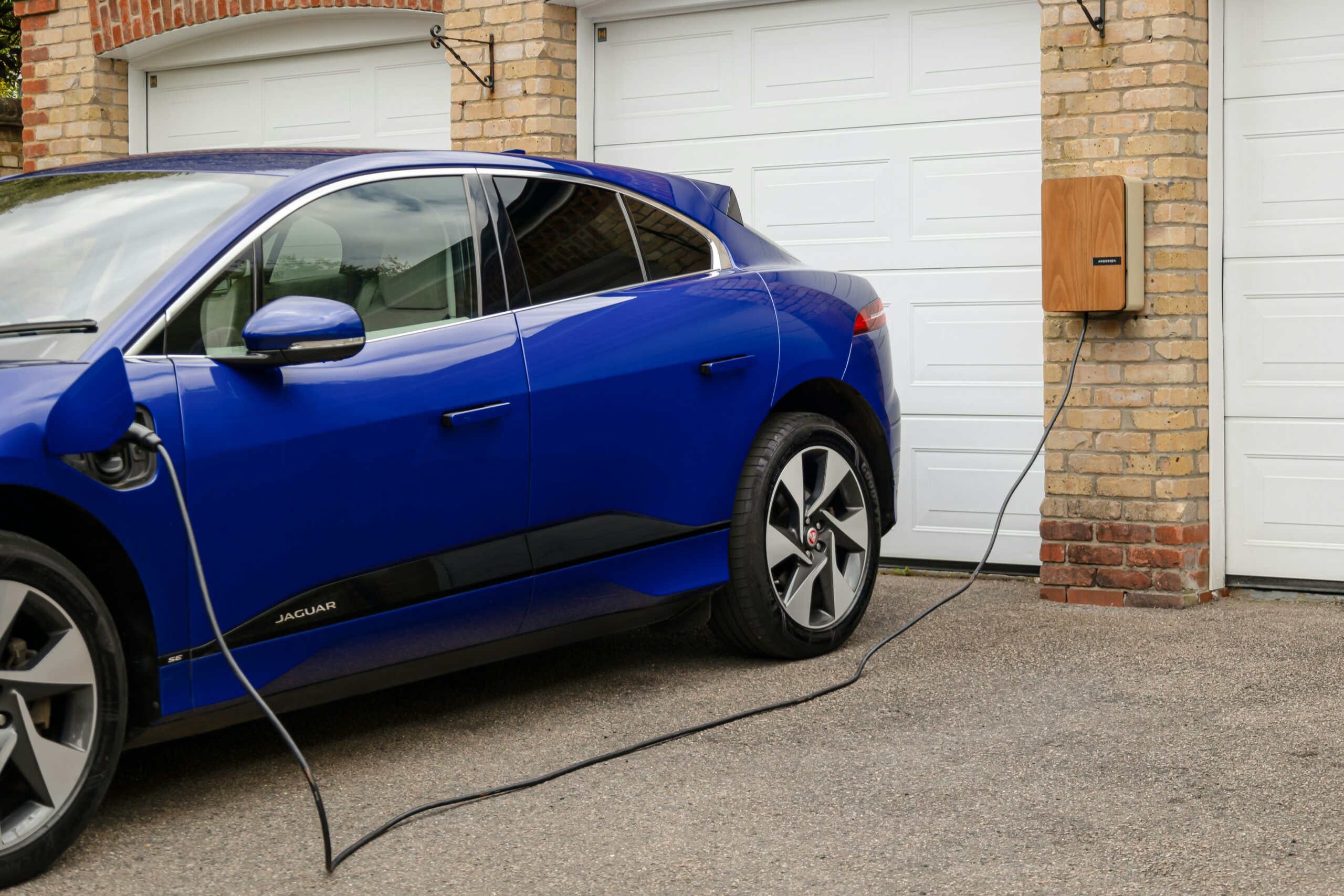
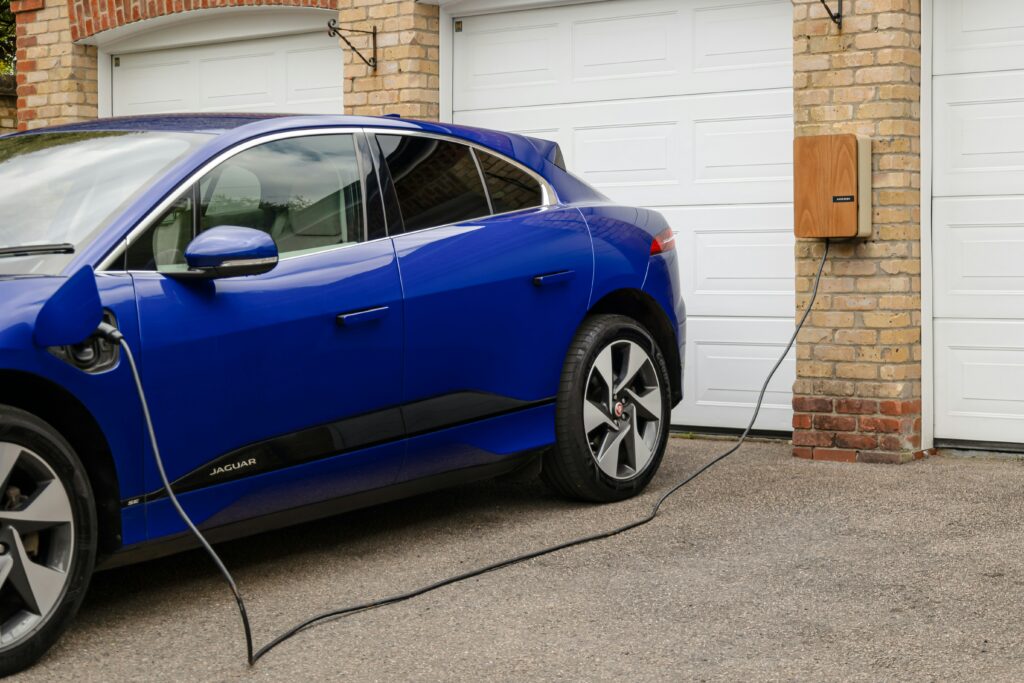
    When it comes to recharging your electric car at home, the most obvious solution is the domestic socket. With a power of 2.3 kW, it’s the perfect bad idea! Not only do you only get about ten kilometres per hour out of the socket, but you also lose energy – up to 30% according to Engie. The owner then has the option of a reinforced socket. After a specific installation, generally in the form of a box, the power is increased to 3.7 kW and it is possible to recover up to 20 kilometres per hour of charging while limiting energy losses. This may be enough for everyday use, since a night’s charge recovers just over 100 kilometres of range, and slow charging is less aggressive on the battery. But the most recommended solution is the wall-mounted charging point. Even though they sometimes require some work, wall-mounted charging points have the advantage of offering ‘à la carte’ power, up to 22 kW three-phase, so you can recover up to 40 km of range per hour while optimising charging and preserving the battery by adjusting and programming your charging point according to your needs. There are stand-mounted alternatives if it is not possible to install a wall-mounted charging point. The main disadvantage of home charging points is the cost, but there are solutions for that too…
    Credit: Thomas Reaubourg


    Financial aid to facilitate the installation of charging points

    As part of France’s policies to speed up the transition to electromobility, there are two ways of reducing the bill for those who install a home charging point. On the one hand, the famous tax credit for energy transition (CITE) allows you to benefit from aid of up to €300 for the purchase and installation of a charging point. The only condition? Use an RGE (Reconnu Garant de l’Environnement) certified company. There is also a grant called ADVENIR, which “reimburses” up to 50% of the cost of the operation. Capped at €600, it is reserved for private individuals living in collective housing and companies wishing to recharge their fleets. It also has the added advantage of being paid directly to the installer, saving electric car owners a lot of paperwork. At local level, some local authorities offer additional incentives, so it’s worth finding out what the policy is in your département or region before installing your charging point.

    The impact on bills

    Installing a home charging point for your electric car inevitably leads to an increase in electricity consumption. ChargeGuru carried out a study and found that the average increase was 21%. Depending on the supplier, this translates into an increase of €30 to €40 on the monthly bill, or €500 a year. That may sound scary when you put it like that, but the savings compared with combustion engines are substantial. In fact, the average fuel budget in Europe is around €100 per month, i.e. 2 to 3 times more than for electric cars.

    Playing the eco-responsibility game

    It’s not just the economic aspect that comes into play when consumers decide to swap their petrol-powered car for an electric one. The environmental aspect also comes into play, and home charging points, powered mainly by decarbonised energy (in France at any rate), tick this box. But you can go even greener by opting for a guaranteed 100% renewable energy supplier, like Ilek, Enercoop or Ekwateur, among others. And to really drive the point home, you can choose a programmable charging point that will allow you to plug in only during off-peak hours, thus relieving congestion on the grid and saving money at the same time… a win-win situation!

    Credit: Thomas Reaubourg


    The right to take

    One of the biggest problems with the electrification of the French car fleet is the lack of charging points in communal housing. And yet, in France, every resident in a condominium has what is known as the right to a plug. In other words, they can have a charging point installed in their parking space. To do so, all you have to do is inform the syndic, who can only object if the necessary work jeopardises the integrity of the building. There are even organisations like Zeplug that can take care of the administrative and billing procedures. When it comes to installing shared charging points, a vote at a general meeting and the pooling of costs can simplify the installation even further, as well as making it easier for more residents to switch to electric vehicles.

    Bidirectional charging, a solution for the future?

    Finally, we look a little further into the (near) future and conclude with a technology that is certain to become increasingly widespread, and which has already made its appearance on the latest Renault 5 electric car: Vehicle-to-Grid (V2G) or ‘two-way charging’ technology. The principle is relatively simple: at any given time of day, more than 9 out of every 10 cars on the road are parked. In order to take advantage of this immobility, bidirectional charging enables the vehicles being charged to “return” energy to the grid during peak hours, after having recovered some during off-peak hours. This saves even more energy and money, while helping to stabilise the grid.
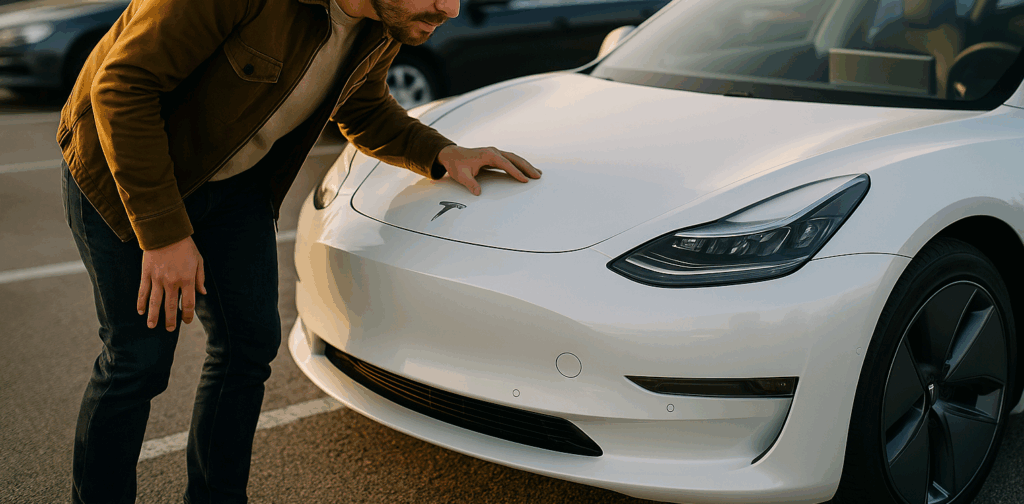
  • Our advice before buying a used electric car

    Our advice before buying a used electric car

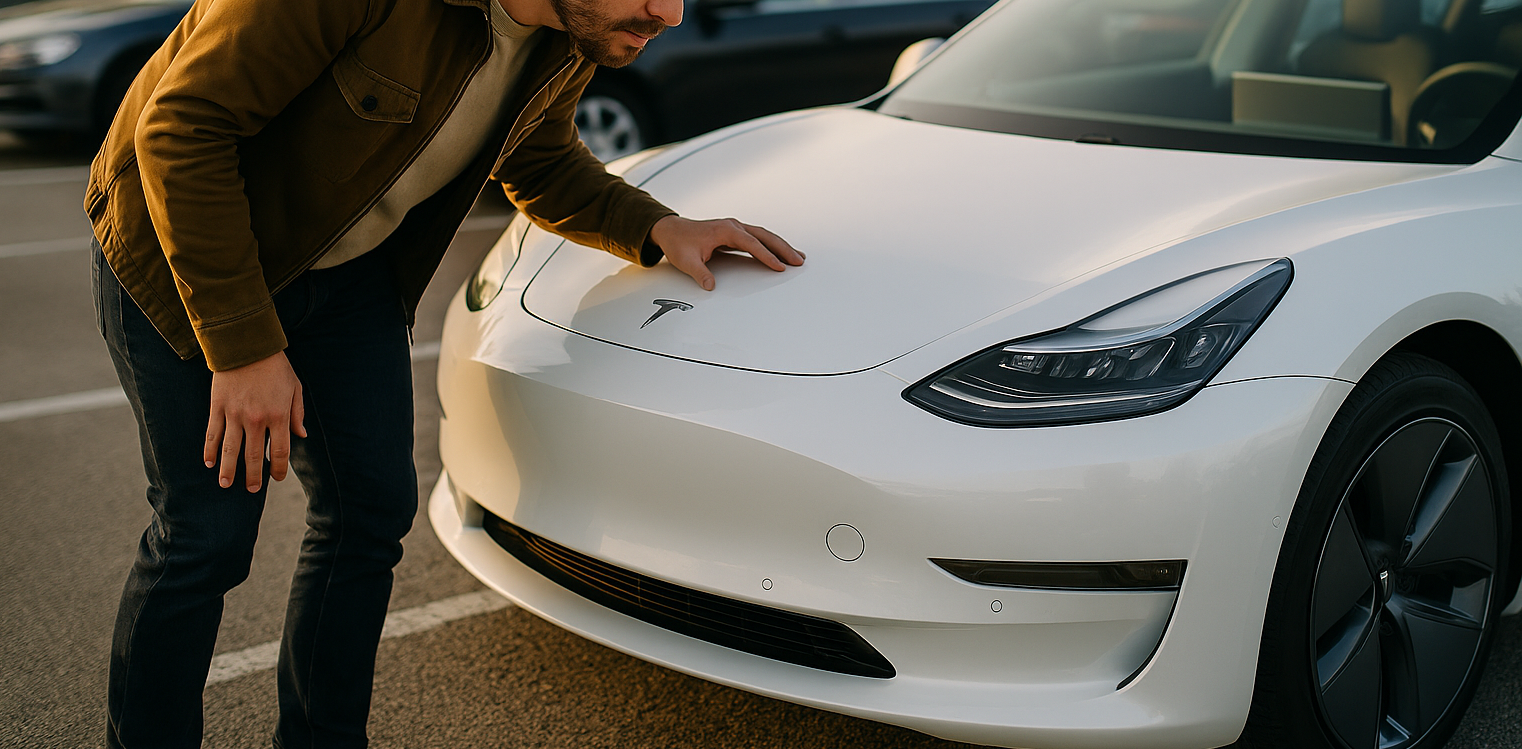
    The market for used electric cars is growing every year. And while buying a used EV isn’t radically different from buying a combustion-powered car, there are a number of features specific to electric cars that require special attention before you buy.

    Electric cars were marginal for a long time, but they are now an integral part of the French automotive landscape, and this trend is set to increase in the years ahead, until the sale of new combustion-powered vehicles is completely banned in 2035. This boom is having a direct impact on the second-hand market, which, although still a niche market, continues to grow year on year. In France, for example, the volume of transactions involving used electric cars rose by 54% between 2024 and 2025. So it’s important to be aware of best practice and to adopt the right reflexes before taking the plunge and benefiting from a good deal that’s as environmentally friendly as it is economical.

    Checking the condition of the battery in a used electric car

    The battery is the heart of an electric car, far more important than the motor. A (very) expensive component, it is necessary to know exactly how healthy it is, or State of Health (SoH), generally expressed as a percentage. If the SoH is above 85%, the range is still optimal. Below 75%, you should move on. To obtain this information, you can use a dedicated manufacturer’s application, or even a tool that connects to the OBD port via Bluetooth.

    Credit: Priscilla Du Preez


    Check the ownership of the battery

    Some models, generally the older ones, have been sold with a leased battery. This implies a monthly subscription fee, and can somewhat distort the price offered by the seller. If the seller doesn’t provide this information, it’s a question that absolutely must be asked, because if the battery isn’t included in the sale, it’s a good lever for negotiating the price downwards.

    Request a service history for your used electric car

    It’s a classic when buying a second-hand car, regardless of the energy it consumes. Just because an electric car requires less maintenance than a combustion-powered vehicle doesn’t mean it doesn’t need it. It’s essential to ask for invoices, check for software updates, and pay particular attention to the parts that suffer most on an electric car: tyres and brakes.

    Inspect accessories

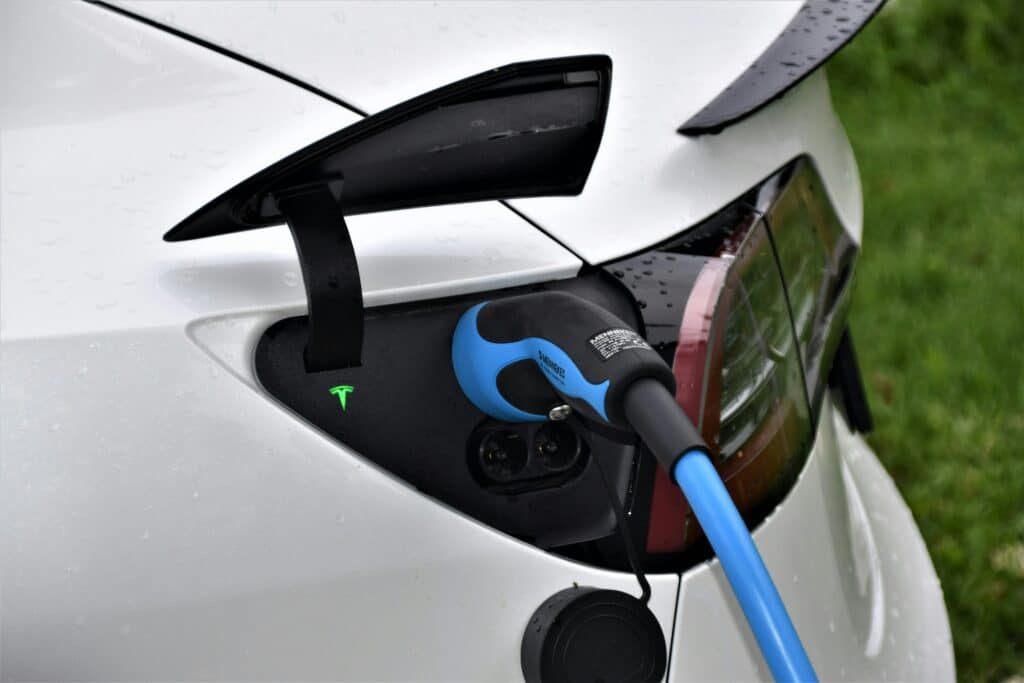
    When it comes time to inspect the vehicle, it’s important to check that the charging socket is in good condition, that the cables supplied are compatible and in good condition, and that the on-board electronic equipment – GPS, touch screen, cameras, driver assistance – and lighting are working properly.

    Credit: Waldemar


    Running away from the first generation of electric cars

    As is the case with many electrical and electronic products, the first generations to leave the factory are generally quickly overtaken by the following models, before the situation evens out after a few years and the gap narrows. So a model that came out 10 years ago, with its short-lived batteries, basic equipment and sometimes even incompatibility with modern recharging points, will be much less attractive than the same model from 5 or 6 years ago, fitted with lithium-ion batteries, for example.

    Try before you buy

    It’s obvious: a test drive is essential before you take out the chequebook. It allows us to assess comfort, silence (and therefore any potentially suspicious noises), power under acceleration, and above all the effectiveness of regenerative braking, which is characteristic of electric cars. Another special feature is the electronics, in particular the control screen, which is checked for fluidity.

  • Electric cars: how much does recharging really cost?

    Electric cars: how much does recharging really cost?

    While the ecological virtues of the electric car are often extolled, its economic benefits are just as attractive. But at a time when energy prices are fluctuating and recharging points are springing up all over the place, there’s one question that keeps coming back
    : on a day-to-day basis, is recharging your car really cheaper than filling up with petrol?

    Credit: Pexels

    At home: the most wallet-friendly recharging option

    It all depends on where, when and how you connect your vehicle. The majority of motorists who opt for home recharging via an individual charging point choose the most economical solution. An electric car consumes between 15 and 20 kWh per 100 kilometres, or around €3.75 to €5 (based on an average rate of €0.25/kWh).

    A word of warning, however: installation requires the services of an IRVE-approved electrician, and represents an initial investment of between €1,400 and €4,000, depending on the type of charging point chosen.

    Credit: Pexels

    On the road: faster charging stations… but more expensive

    As soon as you leave home, the cost of recharging increases. Conventional public charging points, often located in urban areas, charge between €0.25 and €0.50/kWh, which works out at between €5 and €10 per 100 kilometres – still less than the cost of a full tank for a combustion-powered city car.

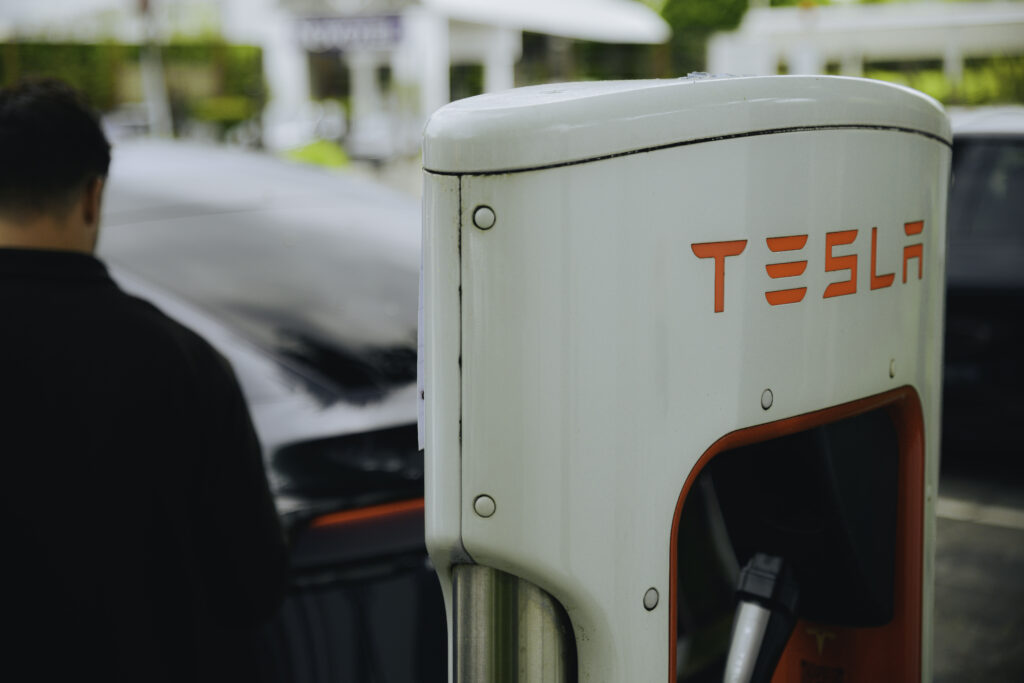
    On the other hand, ultra-fast chargers such as Tesla Superchargers or those from TotalEnergies (150 to 350 kW) are considerably more expensive. They can cost up to €0.80/kWh, or around €15 per 100 km, which is close to the cost of a petrol or diesel car.

    A full charge (80% battery) for an average electric car at these stations costs around €50, but offers unbeatable charging times: between 8 and 10 minutes to go from 20% to 80%, depending on the vehicle and the station.

    Credit: Mathis Miroux

    Smart recharging: saving money if you think ahead

    On the whole, an electric vehicle is cheaper to run than a combustion model. But this requires a certain amount of organisation: recharging at home, choosing the right time slots (especially off-peak hours) and avoiding public charging points without a subscription are essential reflexes.

    Because while driving electric saves money and reduces your carbon footprint, it also requires a bit of forethought… and a plug socket close at hand.

  • Electric cars: 5 essential applications for owners

    Electric cars: 5 essential applications for owners

    Here’s our selection of five must-have applications to improve your journeys and manage your charging as well as your expenses when you own an electric car.

    A Better Routeplanner (ABRP) – Pay options

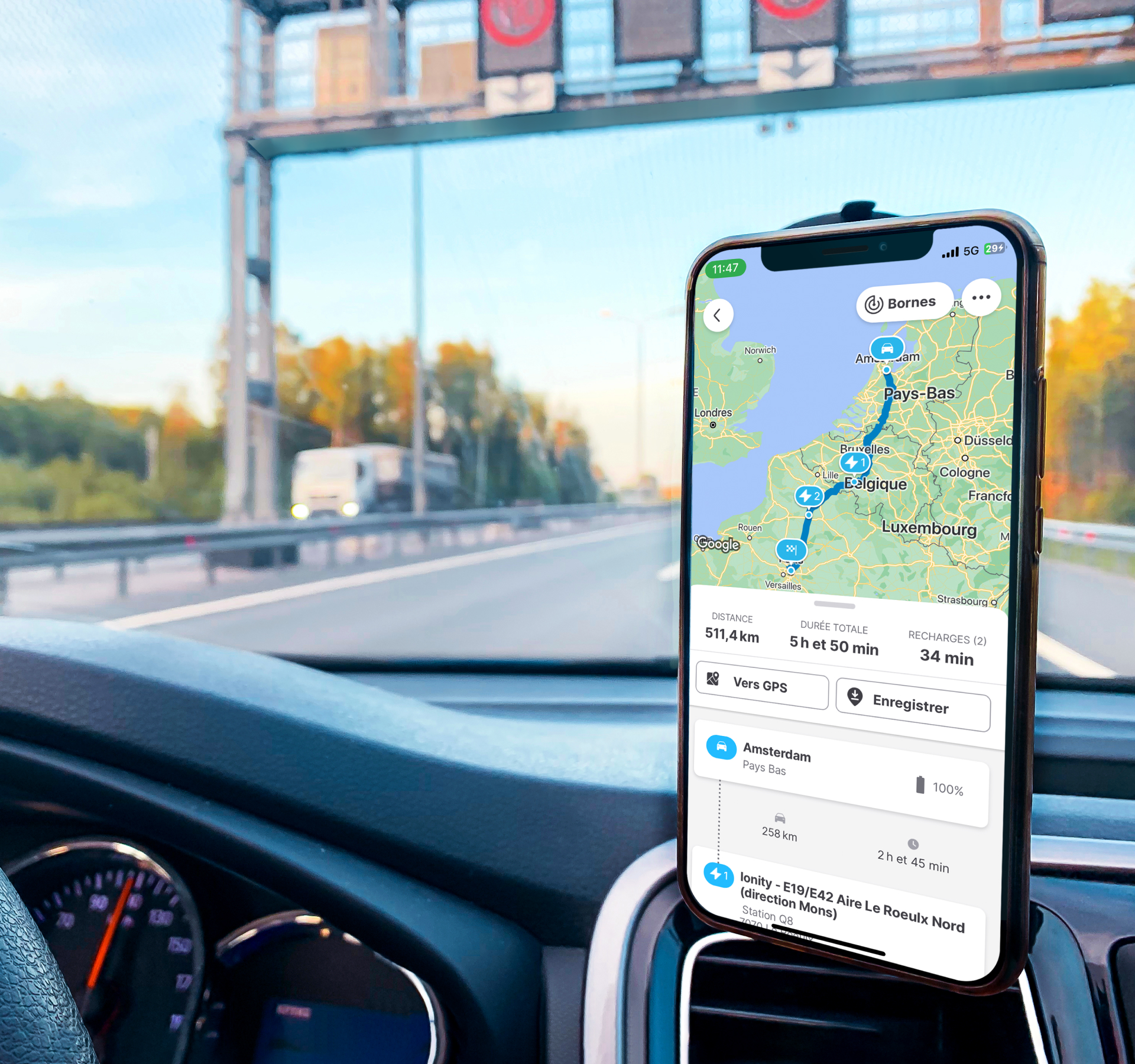
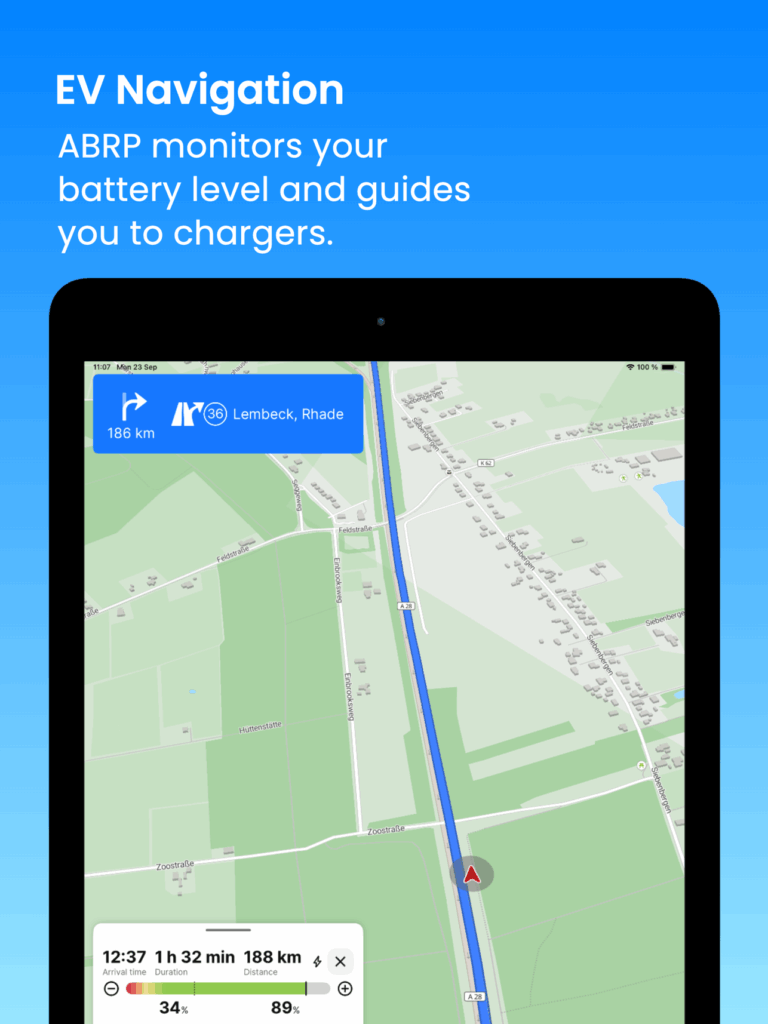
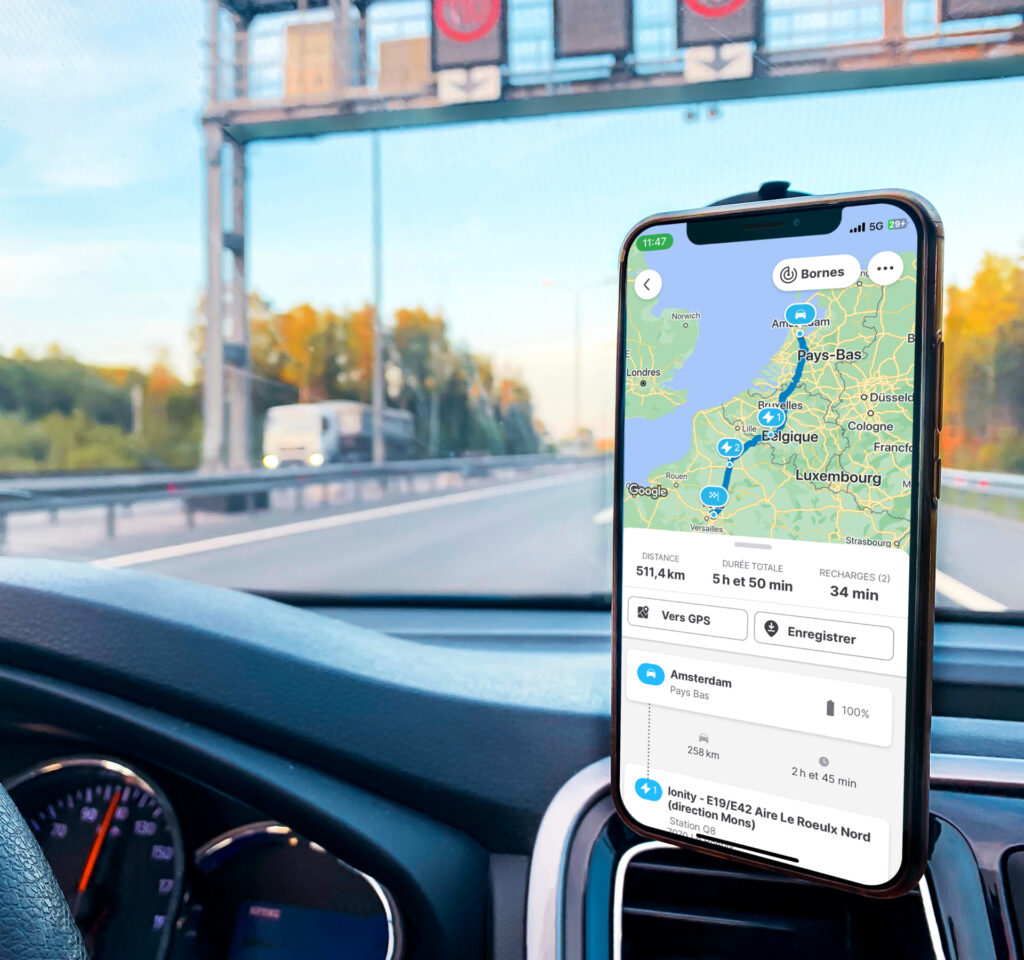
    ABRP, for A Better Route Planner, is one of the most highly rated of all the electric mobility apps. By entering the model name of your electric car and your destination, you can plan your journey. Is that all there is to it? No, because it takes into account a number of factors that are often overlooked by other map apps, including the car’s actual range, the weather, available recharging points and… the type of road! For those who live in the mountains, for example, that’s a detail that really doesn’t matter! The paid premium version also allows you to connect your vehicle directly to the app to get real-time information and the most accurate remaining range estimate possible, adjusted in real time according to your driving style, right down to wind speed.

    Credit: abetterrouteplanner.com

    Chargemap – Chargeable options

    Chargemap, a French application, makes it easy to locate charging points all over Europe, but what sets it apart above all is the interactive aspect of its map. You can find out immediately whether a charging point is available or not, or whether it has broken down (but that never happens…), as well as its power or compatibility with your car. Using this information, drivers can plan a journey directly from the app. A chargeable option, Chargemap Pass, lets you use your account to pay for your top-up.

    Credit: en.chargemap.com

    ChargePrice – Free

    While switching to electric power generally saves money, the price from one charging point to another often varies much more than from one petrol pump to another. This is mainly due to the multiplication of subscriptions, energy suppliers, the energy source itself and the location of the charging point – in short, so many factors that can lose the consumer. This is where the ChargePrice application comes in, acting as a price comparator. It locates the cheapest charging points around the driver and even goes so far as to provide an estimate of the total cost of recharging, taking into account the type of car and the user’s subscription.

    Credit: en.chargeprice.app

    Dreev – Free

    Dreev is the result of a collaboration between EDF and the Californian company Nuvve, which specialises in Vehicle-to-Grid (V2G) recharging. In other words, cars that can send electricity back to the grid. So it’s only natural that Dreev should specialise in the ‘intelligent management’ of electric vehicle recharging. This means you can control and programme your charging point to optimise it as much as possible, both in terms of energy used and expenditure, as well as deciding whether or not to send energy back to the grid to discharge it (and save money in the process).

    Credit: dreev.com

    PlugShare – Pay-per-click ad-free option

    PlugShare is one of the best-rated applications for quickly locating charging points around the world. It’s all powered by users themselves, who share their opinions and photos of almost 500,000 charging points. It also lets you plan your journey according to your subscription and the type of socket you are looking for.

    Credit: www.plugshare.com