Category: Advice

  • Electric cars in mountain: what you need to know

    Electric cars in mountain: what you need to know

    With the festive season just around the corner, many people are already dreaming of the snowy slopes. But when you set off in an electric car, the cold, the uneven terrain and charging in the mountains require more rigorous preparation than for a combustion vehicle. If you want to avoid breakdowns, understanding how winter really affects your autonomy is essential.

    Electric car charging in the snow in the mountains
    An electric car plugged into a charging point in the middle of winter to maintain its range. (Credit: Envato / By simbiothy)

    Anticipating the impact of cold weather

    Below zero, the chemistry of the battery slows down. The movement of lithium ions is slower, which increases internal resistance: the battery delivers less energy. According to several studies, range losses can reach between 10% and 30% in winter conditions. In very cold conditions, especially if you use the cabin heater, the loss of range can even be as much as 40%, according to real-life simulations. So, as is often the case, the best solution is to think ahead. Find the charging points on your route. Applications such as Chargemap, ABRP (A Better Route Planner) or other EV route planning tools will help you identify compatible charging points and anticipate your stops.

    Do a full charge before the final climb to the station: when the journey gets tough, the increase in altitude combined with the drop in temperature causes consumption to soar. The cold consumes more energy than you might think. Once you’ve arrived, recharge as soon as possible, ideally while the battery is still warm, to maximise charging speed and reduce losses. Take advantage of the charging phases to warm up your car before setting off. This heats up the battery without drawing on your reserve of driving energy. Many cars allow you to programme the heater just before setting off: switch it on while the vehicle is still plugged in, to save the battery.

    Smart, economical driving

    When going downhill, remember to activate regenerative braking to recover energy. When driving uphill, the Eco mode can also limit fuel consumption. Heating the passenger compartment in an EV consumes a lot of fuel, so opt for heated seats and a heated steering wheel. These options consume much less energy than central heating. If your car is fitted with a heat pump, that’s even better: it consumes much less energy than conventional heating elements, and can improve range by 8 to 10% in very cold weather.

    Aerodynamics also play a decisive role. In winter, driving very fast costs a lot more energy, because air resistance increases, and you use more fuel to compensate. Take care when accelerating too: smooth driving saves energy, especially when the battery is already weakened by the cold.

    When the temperature is very low, batteries may be less able to accept a rapid charge: it takes time for the battery to ‘warm up’ or for the thermal management system (BTMS) to do its job. Some models automatically slow down their charging speed when it’s very cold, to protect the battery. So plan longer charging times when you’re in the mountains, and check that the charging points you target are compatible. If possible, park your car in a covered garage or a covered car park. This limits the cooling of the battery at night or during your breaks, which reduces the loss of range. When charging, keep the car plugged in for as long as possible to take advantage of pre-heating and use the energy from the charger, not the battery.

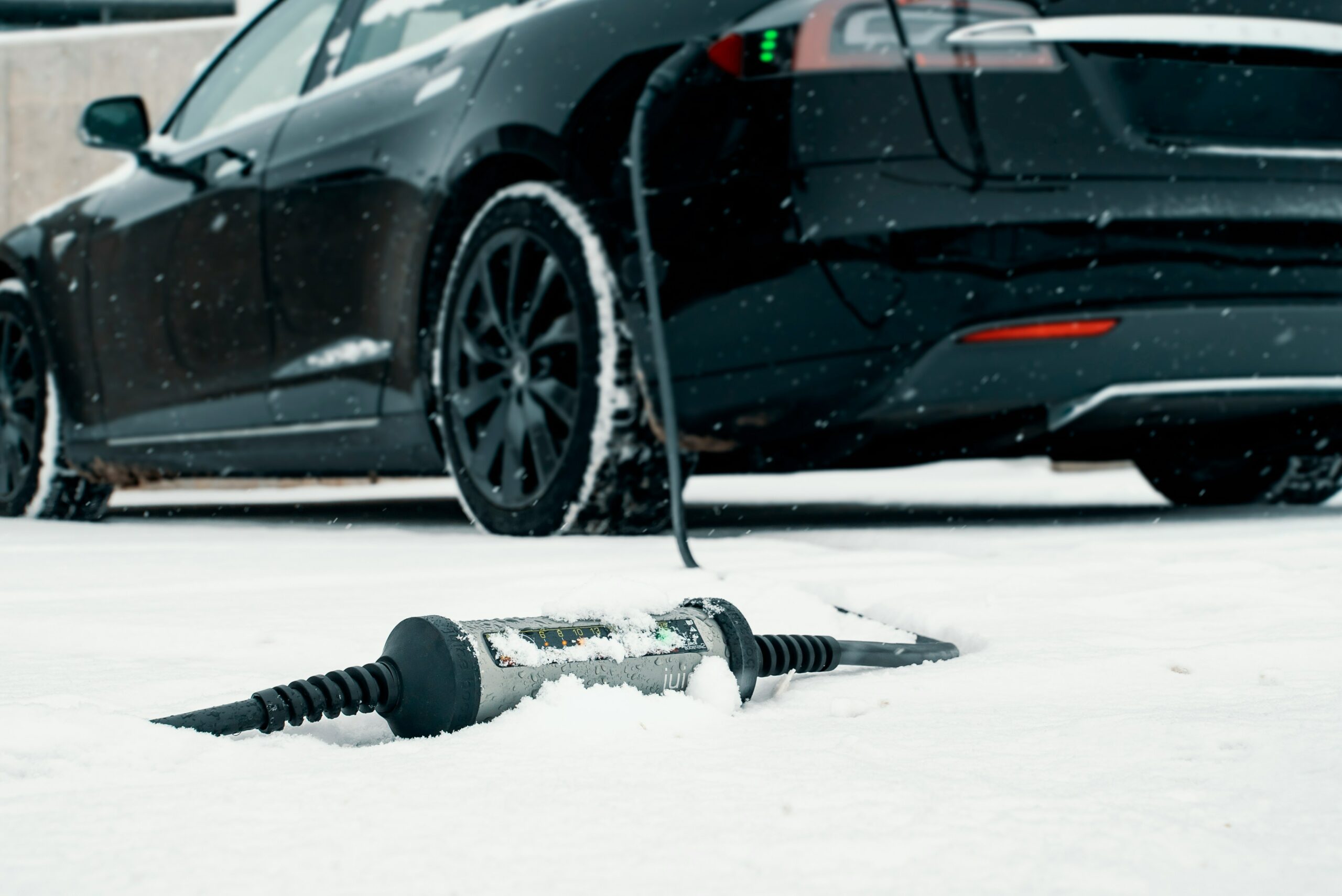
    Close-up of a snow-covered electric recharging point
    Close-up of a snow-covered charging point, essential for journeys in the mountains (Credit: Envato / By GroundPicture)

    No more nasty surprises

    Going skiing with an electric car is perfectly feasible if you plan ahead, and it’s not just a question of recharging more often. By planning your recharging before you leave, preheating the battery while it’s plugged in and modulating your driving to save energy, you can largely minimise the risk of breakdowns or other unpleasant surprises. In winter, anticipation is really the key: freezing temperatures significantly reduce battery efficiency, and careful management of your stops and consumption can make all the difference.

    In short, by combining careful planning, optimised driving and compliance with winter safety requirements, you can turn what could be a challenge into a controlled journey. With these best practices, your journey to the slopes will not only be more serene, but also more economical and totally compatible with your electric vehicle.

  • Electric cars face harsh winter: the transition takes hold

    Electric cars face harsh winter: the transition takes hold

    Over the last few days, winter has arrived in France, with very low temperatures. The fear of electric cars in cold conditions remains. Despite this, drivers are learning to adapt their use to preserve the range of their batteries. Manufacturers are developing technologies that improve performance in winter conditions. As a result, winter is becoming an area of innovation rather than a barrier to electric mobility.
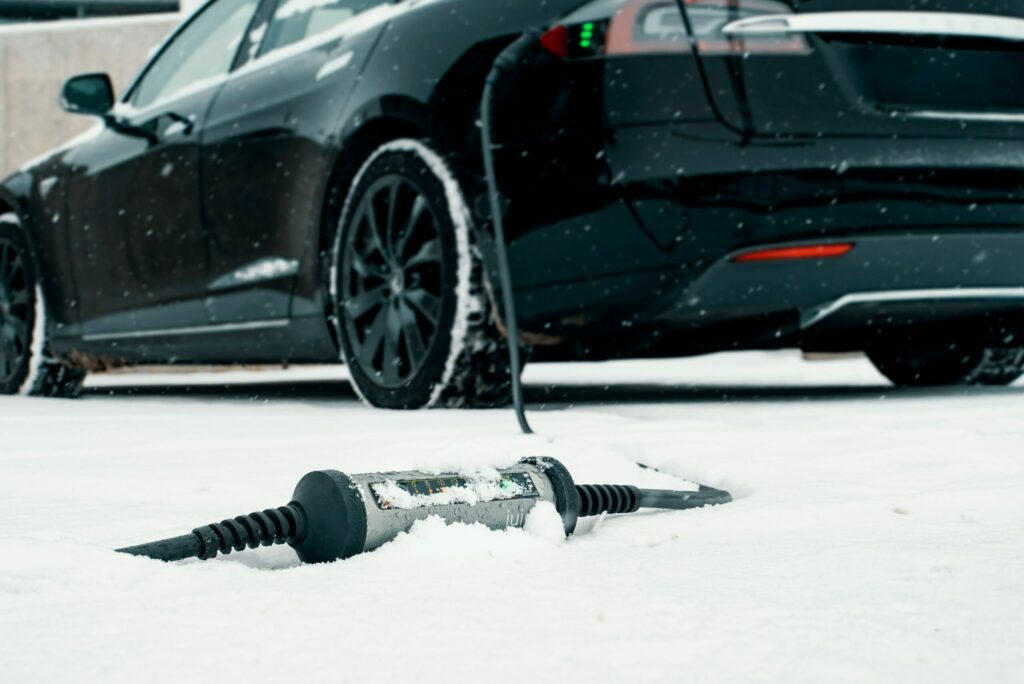
    Electric car charging under the snow in winter
    An electric car recharges despite sub-zero temperatures, illustrating the progress of sustainable mobility in winter.

    Cold, the enemy of batteries

    Let’s start with a fact: cold weather is not batteries’ best friend. It profoundly alters their behaviour, forcing drivers to think ahead. Below 0°C, lithium-ion cells lose efficiency, reducing the range by 20-30% depending on the model.

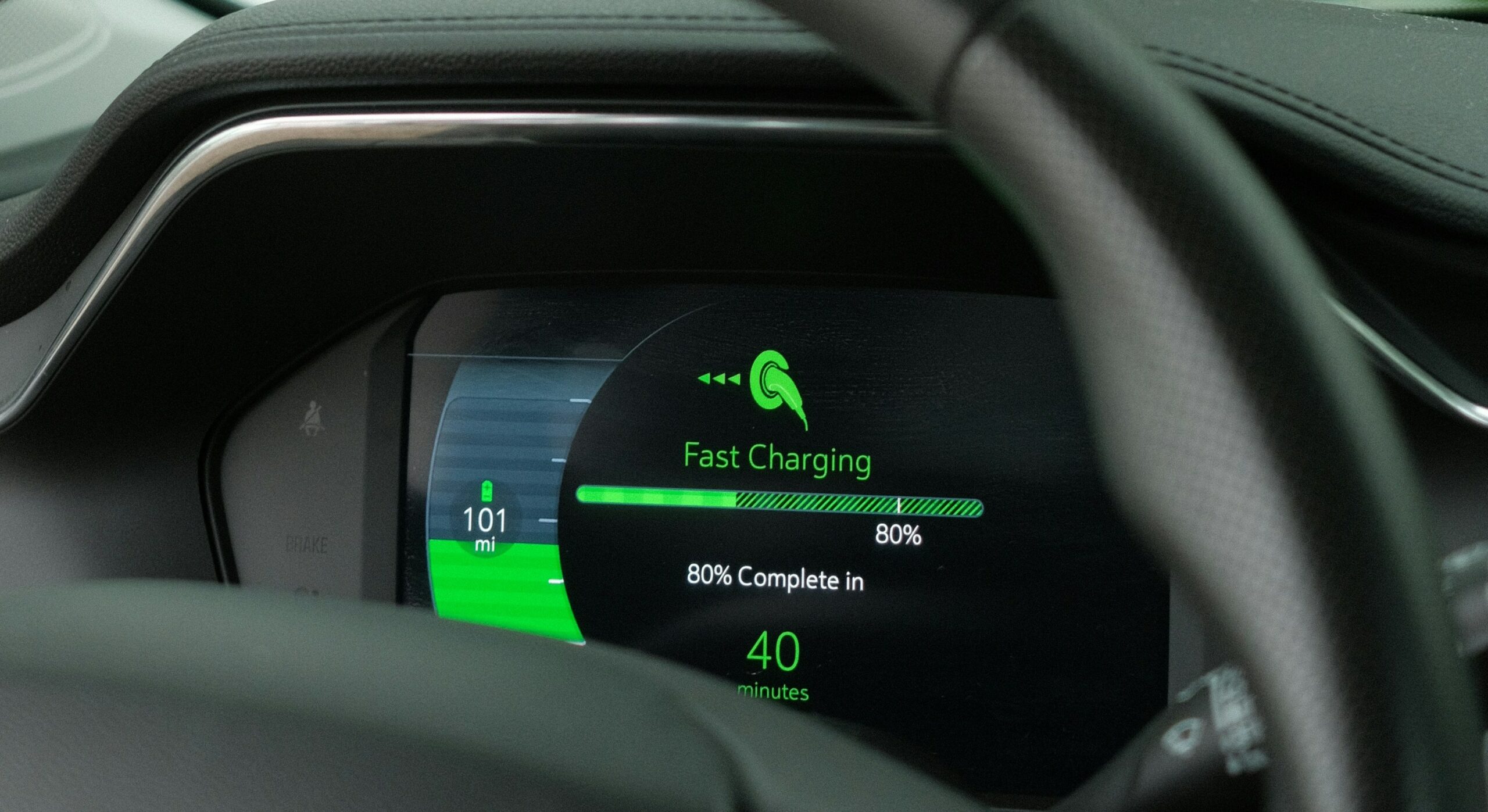
    Recharging time is often longer, because the battery has to be preheated before it can accept a fast charge. This step protects the cells, but delays reaching the desired charge level. It is important to regulate the battery temperature so that the car retains its range and power throughout the journey.

    Another part of the energy is used to heat the passenger compartment. Unlike internal combustion engines, electric cars have no residual heat. The system therefore draws directly from the battery to heat the interior, which increases overall consumption. This is particularly noticeable on short journeys in town, where repeated starts accentuate the losses. Despite these constraints, drivers must learn to optimise their driving and adapt their habits to limit the drop in range.

    Concrete solutions are emerging

    In many countries with severe winters, motorists are adapting their practices to preserve their range. One of the most effective reflexes is to preheat the vehicle while it is still plugged in. This limits the impact of heating on the battery during the first few kilometres. Heated seats are also preferable, as they consume much less energy than general heating. Thanks to these practical choices, losses in range become more predictable and therefore easier to manage.

    At the same time, infrastructure is evolving to support this energy transition. Charging stations are adapting to cold climates by incorporating ice protection systems. Some installations also use thermal management technologies to ensure safe fast charging in winter. The improved regional coverage means that drivers can make long journeys with greater peace of mind. This global transformation is helping to build real confidence in electric vehicles, even in extreme conditions.

    Snow-covered motorway in the mountains with cars travelling in difficult winter conditions
    Cars drive along a snow-covered Alpine road despite the storm, a reminder of the risks associated with winter journeys.

    Constantly evolving technology

    The progress made by the automotive industry shows that batteries are becoming more robust year after year. Manufacturers are adopting heat pumps, which significantly improve energy efficiency in winter. This technology enables up to 83% of range to be maintained in winter, compared with 75% for vehicles not equipped with this technology. Users benefit from a more stable driving experience, even in prolonged sub-zero temperatures.

    At the same time, engineers are working on the internal thermal management of batteries to optimise their operation. Some systems use phase change materials (PCM) to maintain a stable temperature. Others use cooling fins to improve heat dissipation and maintain the optimum operating temperature of the batteries. These advances extend cell life and reduce the risk of accelerated degradation. In addition, intelligent recharging is being developed to coordinate heating and charging at the right time. This innovation limits unnecessary consumption and improves the overall efficiency of the vehicle.

    Electrics make their mark, even in the coldest regions

    Experience gained in winter areas, such as the Nordic countries, proves that electric cars can operate reliably. Public policies play an important role in supporting the installation of suitable charging points and facilitating access to clean mobility. These initiatives encourage drivers to take the plunge and discover a use that is ultimately simpler than they imagined. Thanks to these coordinated efforts, electric vehicles are no longer confined to temperate regions, and are now conquering territories with demanding climatic conditions. Take Norway, for example, which is shattering all records, with 95.8% of new electric cars sold in January 2025 – a world record, according to the Norwegian Road Traffic Information Council (OFV).

    This development opens up interesting prospects for the entire automotive market. The innovations tested in extreme cold then benefit drivers the world over. Batteries are becoming more stable, vehicles more versatile and infrastructures more powerful. With this progress, winter is no longer seen as a barrier, but as a lever for accelerating the overall improvement in electric technologies. The future of mobility therefore seems compatible with a wide range of climates, reinforcing the place of electric power in the global energy transition.

    How do you protect your electric car from the cold?

    Winter puts electric vehicles to the test. Here are a few simple steps you can take to preserve the range and longevity of your battery:

    • Preheat the vehicle while it is still plugged in: this limits the energy consumed by the battery.
    • Keep the battery charged to between 40% and 80% to avoid losing range due to the cold.
    • Use heated seats instead of general heating, which consumes more energy.
    • Park the vehicle in a garage or covered space to limit exposure to frost.
    • Schedule the recharge just before departure so that the battery is warm and more efficient.
    • Have the battery thermal system checked before winter to prevent any malfunctions.
  • Fast or slow charging?

    Fast or slow charging?

    Just like filling up with fuel, charging is a central concern for all electric car owners. But when should you choose slow charging versus fast charging? What are their advantages and disadvantages?

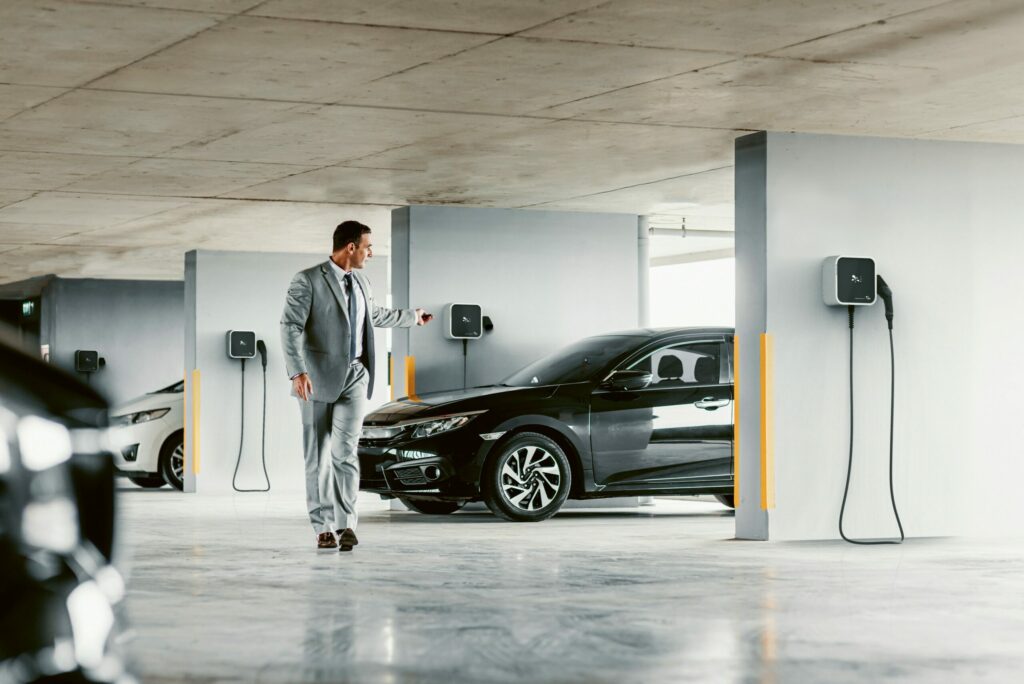
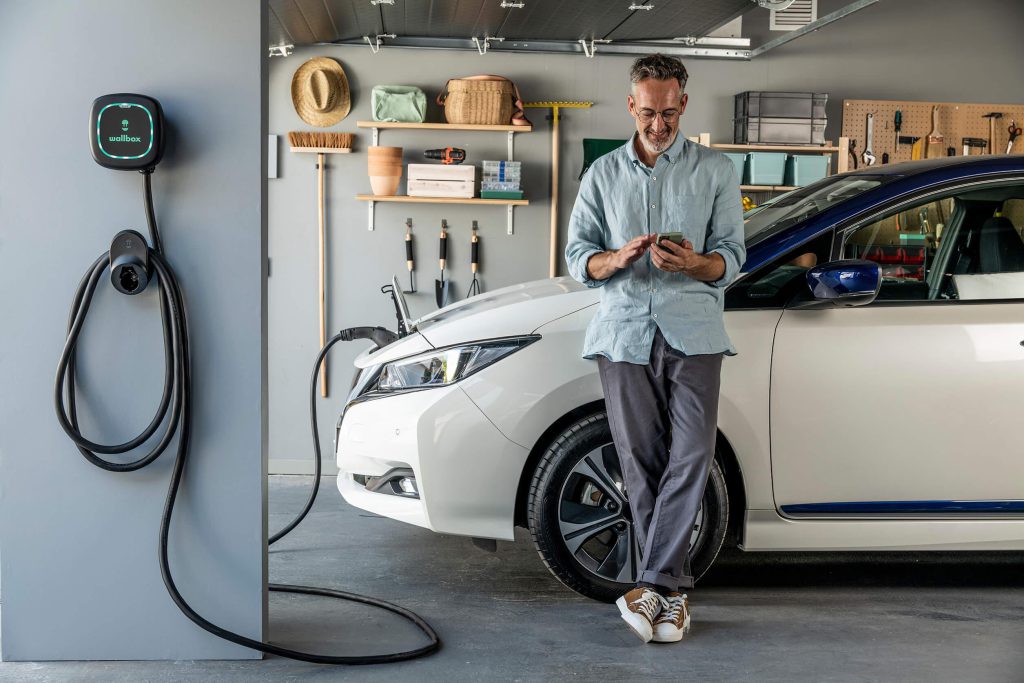
    Man leaving his electric vehicle connected to a home charging point
    A driver leaves his electric car charged at home, illustrating the simplicity of daily recharging. (Credit: Juice)

    Unlike petrol or diesel engines, where a stop at the pump is mandatory, electric charging can be done at home, at public charging stations, or on motorways. Depending on the location, charging stations offer very different power levels and charging times. These are referred to as slow or fast charging, each with its own pros and cons. It is therefore important for electric car owners to know when to prioritise one over the other, to protect their vehicle… and their wallet!

    Two main types of charging

    1. Slow Charging

    Slow charging is carried out at stations with power levels ranging from 2 kW (for a domestic socket) up to around 20 kW at public charging stations. Charging is slower because it uses alternating current, which must be converted into direct current to be stored in the battery.

    2. Fast Charging

    Fast charging stations, most commonly found at motorway service areas, supply direct current to the battery. Their power ranges from 50 kW to over 500 kW, allowing the battery to be charged much more quickly.

    Slow charging for everyday use

    Why prioritise slow charging on a daily basis? First of all, because it is less aggressive on the battery cells and therefore preserves the battery’s integrity in the long term. The only downside is the longer charging time. However, this is not really a problem in daily life when it is possible to charge at home or in the office parking lot. If the battery is always kept between 20% and 80%, this is more than sufficient to preserve it while still using the car every day.

    Another major advantage, and not the least, is that slow charging is generally cheaper than fast charging, especially if you charge at home during off-peak hours.

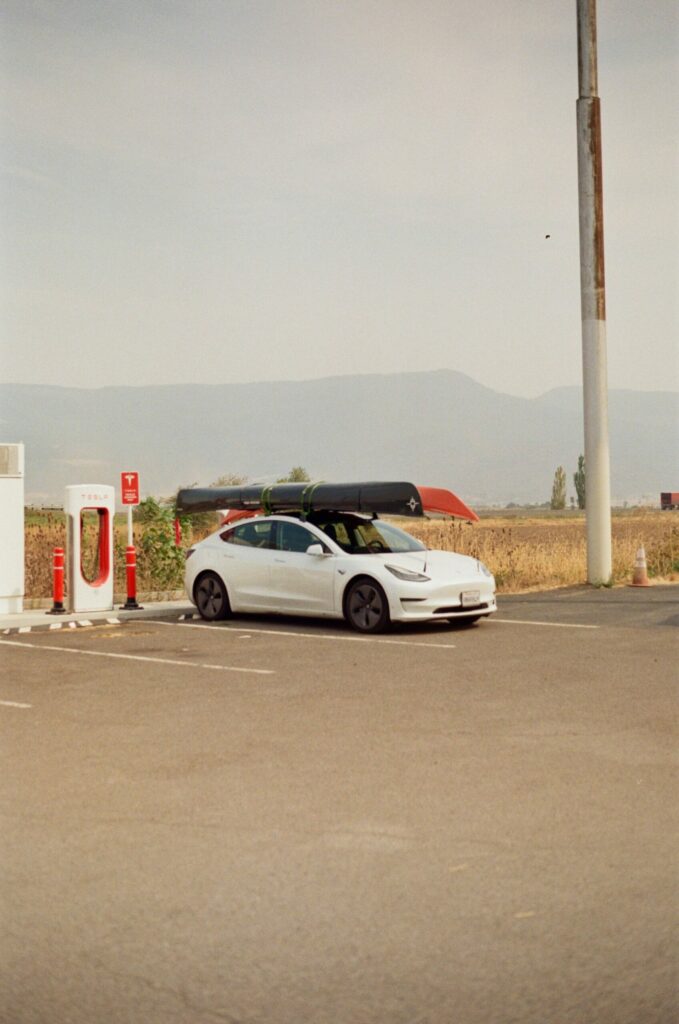
    Tesla electric car plugged into a rapid charging point during a holiday motorway journey
    A Tesla charging at a motorway service area, essential for long journeys and electric holidays. (Credit: Ernest Malimon)

    Fast charging for long journeys

    Fast, or even ultra-fast, charging stations allow you to charge the battery up to 80% in less time than it takes to finish a coffee, a triangular sandwich, and a chocolate bar. Naturally, they are mostly found on motorways. Their existence is essential for long journeys in an electric vehicle.

    Without them, drivers would need to stop for several hours, but intensive use of fast charging is not recommended, as it has consequences. Fast charging generates a higher increase in battery cell temperature, which can accelerate battery degradation compared to regular slow charging.

    In other words, fast charging is intended for long journeys, emergencies, and unexpected situations.

    There have been recent improvements in charging networks as well as promising developments in battery technologies. Whether through the popularisation of solid-state batteries or integrated temperature management, it may no longer be necessary in a few years to question whether to use slow or fast charging.

    In the meantime, the best practice is to take care of the battery by prioritising slow charging for everyday use and using fast charging more occasionally.

  • How to reduce your electricity bill with an electric vehicle

    How to reduce your electricity bill with an electric vehicle

    Driving an electric car doesn’t necessarily mean that your electricity bill will rise. On the contrary, the electric vehicle (EV) can become a lever for savings if you understand how to optimise its charging and consumption. At a time of rising energy prices, knowing the right reflexes can really make a difference. Here are the most effective strategies for lightening the bill without giving up the pleasure of driving clean.

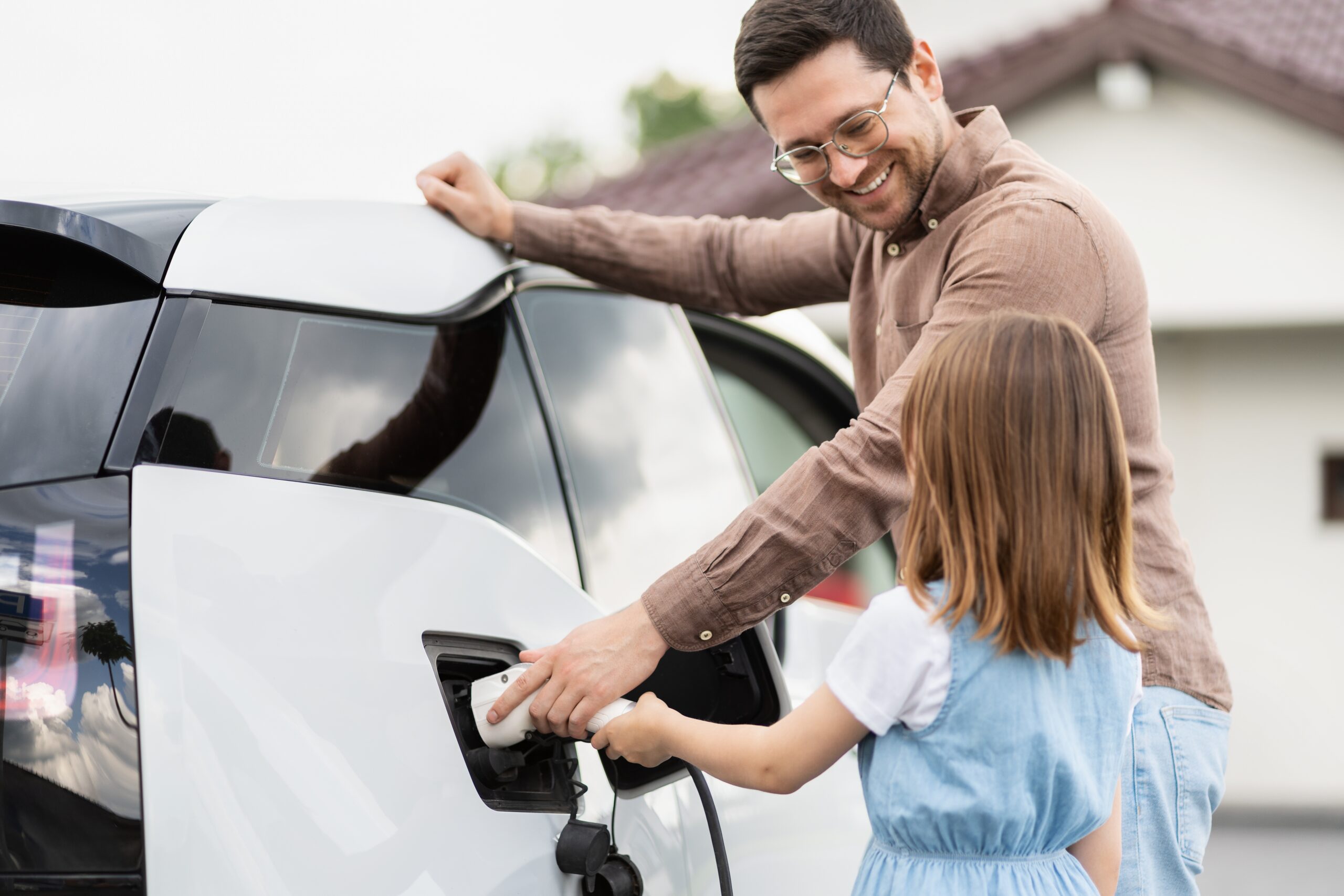
    A man and his daughter charge an electric car at home
    Enjoy family time together while intelligently recharging your electric vehicle at home.

    The true cost of a full tank of electric fuel

    Many people fear switching to electric cars because of the price per kWh. Yet the cost of recharging is often lower than the cost of a full tank of petrol. Recharging a 50 kWh battery at home, at an average rate of €0.20/kWh, costs around ten euros for 300 kilometres. By way of comparison, an internal combustion car would consume at least €35 of fuel for the same distance. So the real issue is not the absolute cost, but when and how you recharge.

    When to recharge

    Electricity prices vary greatly depending on the time of day. Charging at night, during off-peak hours, can cost up to half as much as during the day. Many offers include specific subscriptions for electric vehicles, such as Tempo or Zen Flex from EDF, which encourage night-time charging. Most connected charging points allow you to programme your charging automatically at the most economical time. This simple habit can reduce your annual bill by 20-30%.

    Take advantage of electricity offers

    Some energy suppliers are now developing dedicated packages for electric vehicle owners. These packages often include a reduced rate for a dedicated time slot or a bonus for recharging at home. Comparing these offers will help you identify the one that best suits your lifestyle. A driver who travels mainly during the week will not choose the same contract as a retired person who makes short local journeys. Online simulators help you estimate the potential savings before committing yourself.

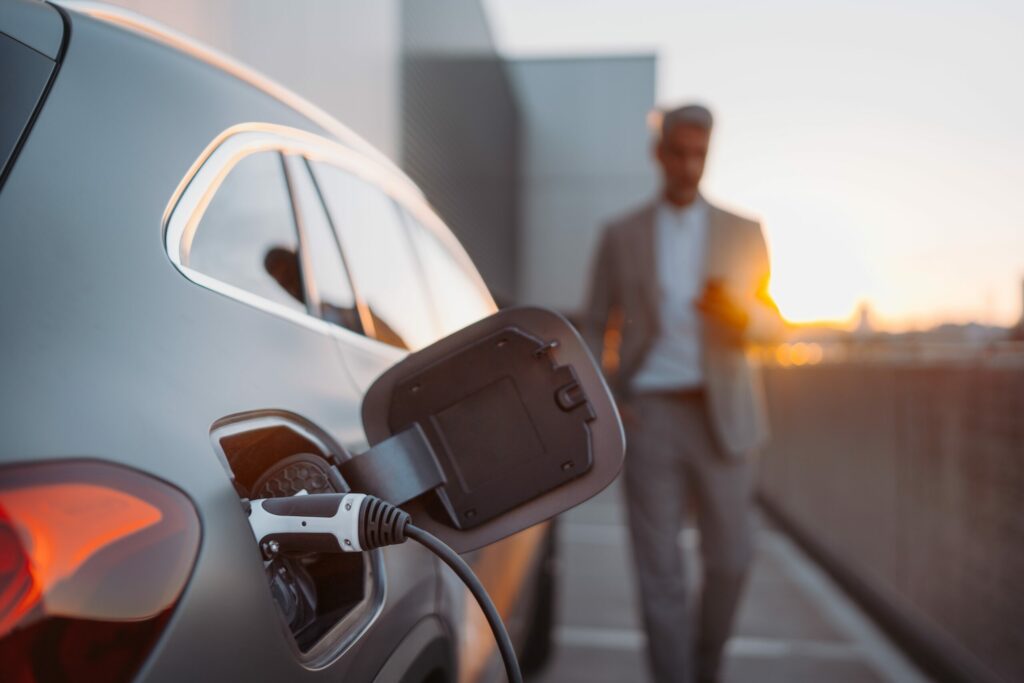
    Electric car recharged at home using a wall-mounted charging point
    an electric car connected to a home terminal to save on your electricity bill.

    The intelligent home terminal

    Installing a home charging point represents an initial investment, but one that quickly pays for itself. Smart” charging points communicate with the electricity meter and adapt the charging power according to the current tariff. They can also take account of local solar production if the home is fitted with photovoltaic panels. In this way, the energy produced free of charge during the day can be used to power the vehicle, reducing the cost of recharging to almost zero.

    Recharging with solar energy

    Combining an electric vehicle with solar panels is one of the most effective ways of reducing energy bills over the long term. The electricity produced on the roof supplies the car directly, without going through the grid. An average solar installation of 6 kWp can cover a large part of the needs of a driver travelling 10,000 kilometres a year. Admittedly, the initial investment is still substantial, but support for self-consumption and tax credits will accelerate profitability.

    Reloading in the right place

    Public fast charging is still practical, but often more expensive than home charging. Using these charging points only on long journeys limits the expense. What’s more, some retailers offer free recharging to their customers, particularly in shopping centres or supermarket car parks. If you plan your journeys using specialist applications such as Chargemap or ABRP, you can easily find the most economical recharging points.

    Several public charging points for electric vehicles
    Public charging points make it easy to recharge on long journeys or when out and about in town.

    Adapting your driving

    Saving electricity doesn’t just depend on the charging method. Driving style plays a major role in vehicle consumption. Gentle acceleration, anticipating traffic and moderate use of the heater can extend the range by several dozen kilometres. Thermal preconditioning, which heats or cools the car while it is plugged in, helps to save battery energy once on the road. These simple gestures add up over the year and add up to real savings.

    Two-way charging

    Two-way recharging technologies, which are still under development, will soon open up new savings opportunities. Vehicle-to-Home(V2H) will enable the vehicle’s battery to be used to power the home at peak times, then recharged when electricity is cheaper. This approach will transform the electric vehicle into a real mobile battery, capable of stabilising domestic consumption and reducing dependence on the grid. Some models, particularly in Asia, already incorporate this functionality.

    The electric vehicle as an energy asset

    As long as you adopt the right reflexes, the electric vehicle can become a real ally in energy management. By combining night-time recharging, smart charging points, solar power and sensible driving, you can reduce your bills while helping to make the ecological transition a reality. The cheapest electricity is that which is used intelligently. The EV is no longer just a means of transport, but a key link in a more sober and sustainable energy ecosystem.

  • Ideal roads for maximising the efficiency of a hybrid car

    Ideal roads for maximising the efficiency of a hybrid car

    Hybrid cars and plug-in hybrids are becoming increasingly popular, but their effectiveness depends largely on the type of journey. Knowing the right routes can maximise economy and range. Find out how to get the most out of your hybrid vehicle.

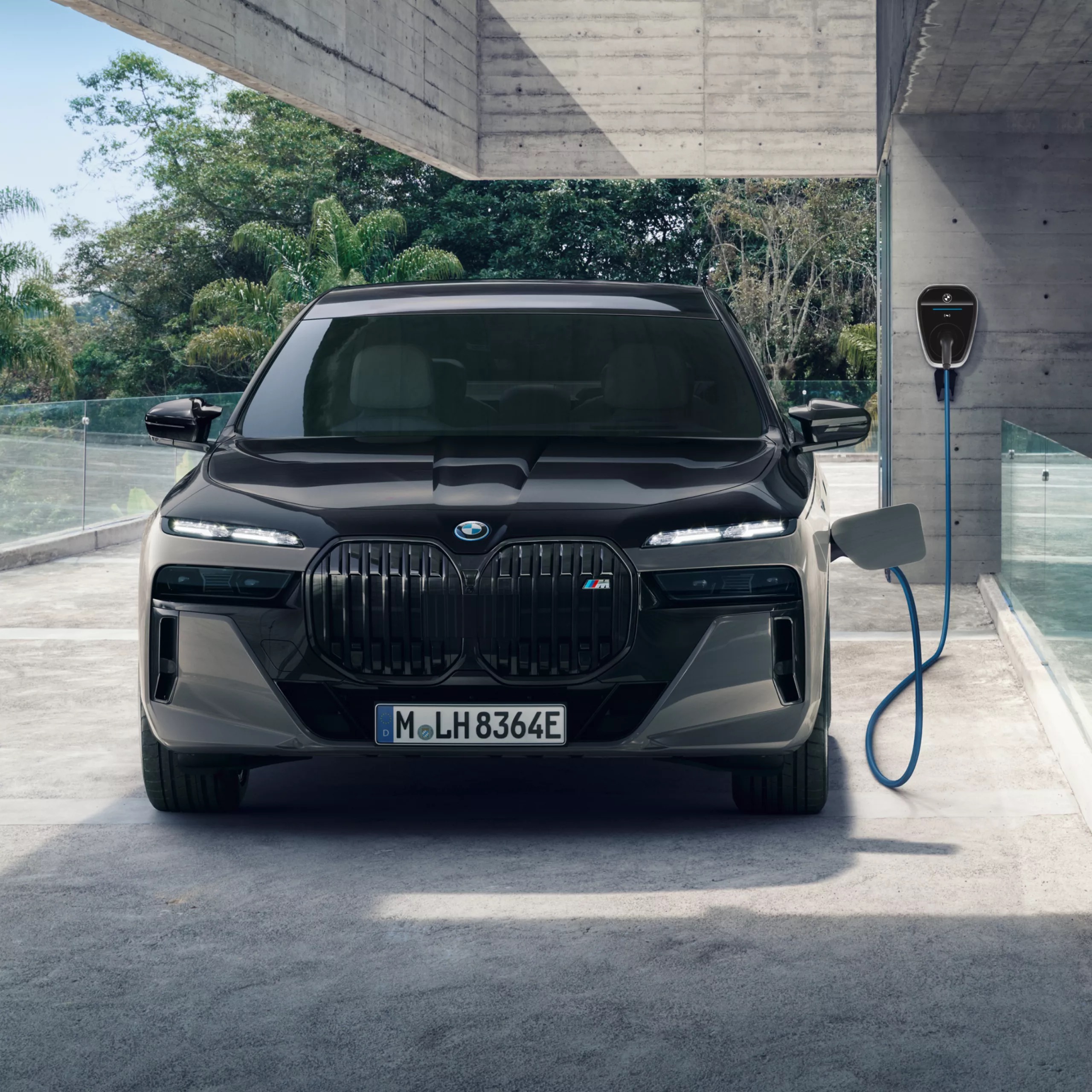
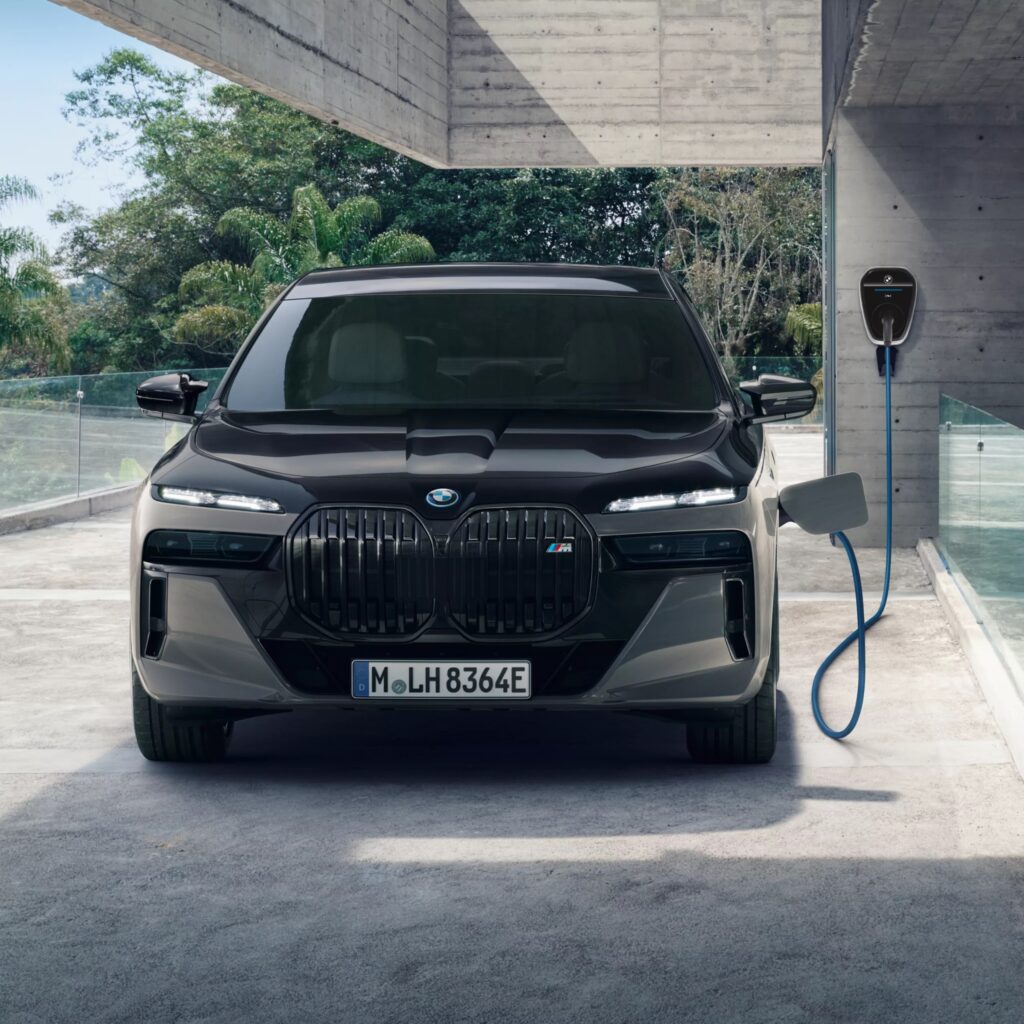
    BMW 7 Series Plug-in Hybrid front view on urban roads
    The BMW 7 Series Plug-in Hybrid combines luxury, technology and energy efficiency for your daily commute. (Credit: BMW)

    Why the type of route influences performance

    A hybrid (HEV) combines a combustion engine and an electric motor, and each expresses itself differently depending on the road. In town, frequent stops allow the electric motor to take over, reducing fuel consumption. On the motorway, the engines alternate, but the internal combustion engine dominates, limiting the immediate ecological benefit.

    In the case of rechargeable hybrids (PHEV), the situation is slightly different: if the battery is charged, the vehicle can be driven in 100% electric mode for several kilometres, even on a mixed journey, further reducing fuel consumption and emissions. The internal combustion engine only comes into play when the battery is discharged or under heavy load. Understanding these differences optimises your journeys and your fuel budget.

    Urban journeys: the hybrid’s biggest advantage

    Hybrid cars are particularly efficient in towns and suburbs, where there are frequent stops and starts. Red lights and traffic jams allow the battery to recharge thanks to regenerative braking. In practice, it fills up when decelerating and then empties immediately during acceleration, supporting the combustion engine. This greatly reduces fuel consumption and pollution, while making driving smoother and quieter. To get the most out of a hybrid, it’s best to increase the number of short urban journeys.

    Rechargeable hybrids go even further, with a battery that can be plugged into a socket or terminal. They often offer up to 40 kilometres of 100% electric range, perfect for everyday city driving. This driving mode means that fuel is not used at all on short journeys, making the car much more economical. Once the battery is empty, regenerative braking provides a little support, but the combustion engine takes over again. The plug-in hybrid is therefore particularly suited to urban drivers who travel less than 40 km before being able to plug in. On long journeys, its weight can slightly increase fuel consumption. However, for city driving, it remains the most cost-effective and cleanest solution.

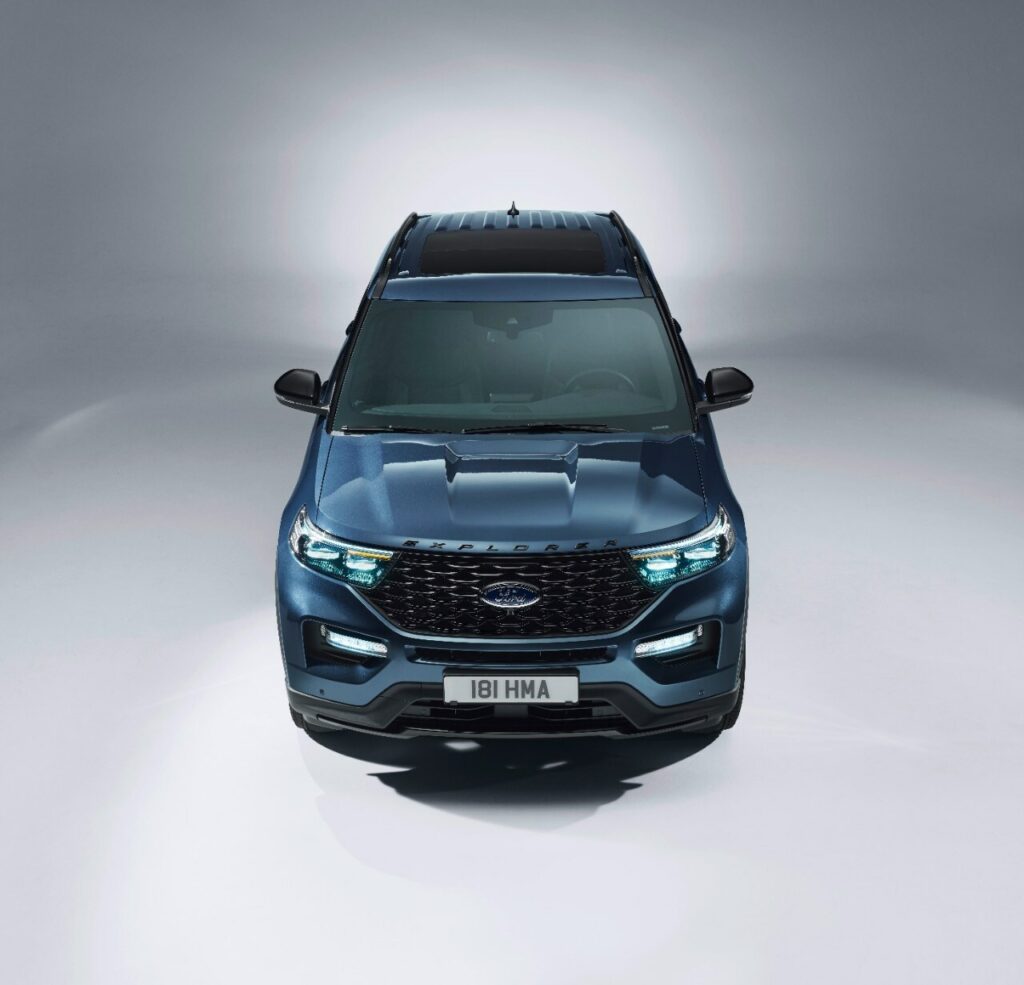
    Ford Explorer Plug-in Hybrid parked in front of a modern building
    The Ford Explorer Plug-in Hybrid offers space, comfort and electric range for family and city journeys (Credit: Ford).

    Secondary roads: the ideal compromise

    Secondary roads represent a compromise between town and motorway. They allow the combustion engine and the electric motor to take harmonious turns. Moderate acceleration and low speeds promote energy efficiency. Drivers can therefore extend their range and reduce wear and tear on the combustion engine, while maintaining a pleasant, stable ride.

    For plug-in hybrids, this type of journey is particularly advantageous when the battery is sufficiently charged: the vehicle can operate in 100% electric mode for a good part of the journey, which considerably reduces fuel consumption and emissions. Regular use of secondary roads allows maximum use to be made of electricity before the internal combustion engine kicks in.

    Motorways: fewer advantages

    In conventional hybrid cars, the combustion engine takes over most of the time, because high speeds limit the use of the electric motor. Fuel consumption therefore remains close to that of a conventional petrol car.

    In the case of rechargeable hybrids, the electric motor can still be used for a few kilometres at low speeds or during acceleration, but the internal combustion engine dominates overall. Driving on the motorway means that you need to plan your battery charging to make the most of the electric mode and limit fuel consumption.

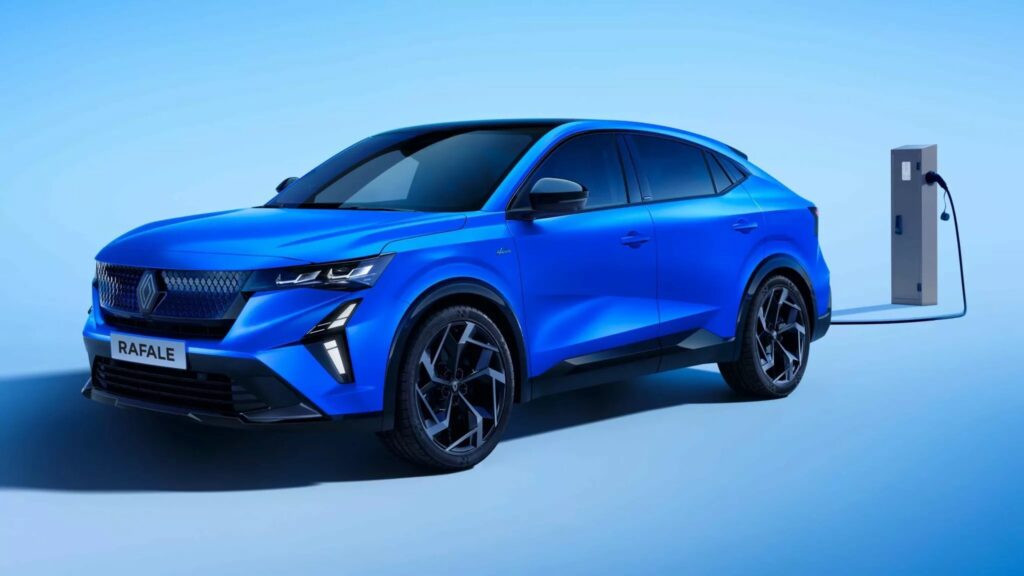
    Renault Rafale E-Tech Hybrid front view on an urban road
    The Renault Rafale E-Tech Hybrid combines sporty design, advanced hybrid technology and energy efficiency for urban travel (Credit: Renault).

    Adapt your journeys to extend your battery life

    For hybrid cars, fuel consumption and efficiency depend very much on the type of journey. Very short, repetitive journeys can limit energy efficiency, because the combustion engine doesn’t always heat up completely and energy recovery through braking is less optimal. Mixed journeys, combining city driving and secondary roads, are therefore ideal: they allow the electric motor to take over, recover energy when braking and reduce overall consumption.

    For plug-in hybrids, these mixed journeys are even more advantageous if the battery is charged, as the vehicle can run in electric mode for several kilometres before the combustion engine kicks in. On the motorway, the combustion engine dominates most of the time, even for a PHEV, and the electric motor only contributes in very short bursts, such as when relaunching or overtaking at moderate speed.

    Planning routes to avoid traffic jams and adopting a fluid driving style helps to limit fuel consumption and optimise efficiency. Understanding these principles helps every driver to get the most out of their hybrid vehicle, reduce costs and contribute to more sustainable mobility.

  • The electromobility glossary

    The electromobility glossary

    The world of electromobility, like all new markets, is full of abbreviations and jargon that can sometimes confuse consumers. To help you find your way around, ECO MOTORS NEWS presents the electromobility glossary, which will evolve over time.

    lexicon dictionary electric cars electromobility
    The electromobility glossary provides a better understanding of the key terms used in the world of electric and plug-in hybrid cars.

    To get a clearer picture, we first need to identify the different categories in this glossary of electromobility. Starting with the types of electric vehicle, through to everything to do with recharging and batteries, not forgetting the terms used to describe the societal changes associated with the energy transition.

    The different types of electric vehicles :

    BEV: Abbreviation for Battery Electric Vehicle, covering all 100% electric vehicles. Sometimes simplified to EV or VE.

    EREV: Abbreviation for Extended Range Electric Vehicle. An electric vehicle with a small petrol-powered generator to extend its driving range. Also called REEV for Range Extended Electric Vehicle.

    FCEV: Abbreviation for Fuel Cell Electric Vehicle, generally refers to hydrogen-powered vehicles. More specifically, the vehicle’s electric motor is powered by a fuel cell, which produces electricity through oxidation.

    HEV: Abbreviation for Hybrid Electric Vehicle, used to describe non-rechargeable hybrids whose electric motor is powered by a battery that is recharged by the internal combustion engine and sometimes during braking and deceleration.

    PHEV: Abbreviation for Plug-in Hybrid Electric Vehicle, this is a hybrid vehicle that can be recharged at a terminal or plug socket.

    MHEV: Abbreviation for Mild Hybrid Electric Vehicle, this is a vehicle that benefits from light hybridisation, with electric assistance during the famous “start and stop” or to power some of the electronics.

    Designations you need to know

    TCO: Total Cost of Ownership. It already existed with internal combustion engines, particularly for professional use, but it has come back to the fore with electric vehicles, as it is often used as an argument in favour of electrified vehicles.

    Crit’Air: Rating and classification of vehicles from 0 to 5 according to their emissions, fuel used and age. Only 100% electric or hydrogen-powered cars qualify for the green sticker equivalent to 0.

    ZFE: Zone à Faibles Émissions or Low Emission Zones, sources of heated debate and still unstable status, are urban areas where the circulation of Crit’Air 3 vehicles and above is regulated or even banned.

    WLTP: The Worldwide harmonized Light vehicles Test Procedures is one of the standards used to determine, after a series of tests, the range advertised by manufacturers to the public. For internal combustion cars, it determines fuel consumption.

    NEDC: Long used in Europe, the New European Driving Cycle disappeared in 2018, giving way to the WLTP.

    CLTC: The China Light-Duty Vehicle Test Cycle is the Chinese equivalent of the WLTP. Adopted in 2021 as the national standard, it is sometimes considered to be more lenient. For example, 500 km on the CLTC is equivalent to 410 km on the WLTP.

    Glossary of batteries and recharging

    Lithium-ion: This is the most common type of battery, chosen for its relatively low cost, good energy-to-weight ratio, efficiency and long life. As the name suggests, it consists of an anode and a cathode that exchange lithium ions.

    Solid state battery: Unlike the lithium-ion battery, here the electrolyte between the anode and cathode is solid. This inevitably makes them more compact, increasing their capacity for the same volume and, de facto, extending the vehicle’s range. At the moment they are too expensive to manufacture, but their democratisation is eagerly awaited.

    AC (Alternating current): Often associated with so-called slow charging stations, such as home charging stations, which use alternating current that must then be converted to direct current to be stored in the battery.

    DC (Direct Current): In contrast to AC terminals, DC terminals, known as fast terminals, are often found in service areas. They supply direct current directly to the battery and range in power from 50 to over 500 kW.

    CCS connector: Combined Charging System. Type of charging point combining AC and DC charging, used mainly in Europe and a direct competitor to Tesla Superchargers.

    V2G : Abbreviation for Vehicle-to-Grid, a technology that allows energy from a vehicle’s battery to be fed back into the grid when it is plugged in. This preserves the life of the battery while taking the strain off the grid.

    V2H : Abbreviation for Vehicle-to-Home, this enables a vehicle to power a home.

  • Buying, maintaining and using an electric car: how do you make the right choices?

    Buying, maintaining and using an electric car: how do you make the right choices?

    The electric vehicle market is booming, and new models are coming out all the time, bringing with them a host of innovations in terms of range, on-board technology and recharging times. All these technical specifications can sometimes be daunting for those wishing to embark on the adventure of electric mobility.

    So to get a clearer picture before you buy, it’s important to ask yourself a few questions to better understand how an electric car works, and to tick the right boxes according to your needs and budget. Then, once you’ve got the keys, there are a whole host of tips and advice to follow to maintain, use and optimise your vehicle.

    Credit: Juice World

    Defining your needs

    To choose the right electric car, especially if it’s your first purchase, it’s important to determine how you intend to use it. The first step is for the future owner to be able to estimate the distance of his or her daily journeys, if possible on a weekly basis. How many kilometres between home and work? How many journeys do you need to make to get around each day? Add it all up, work out an average, take into account whether or not there are charging points at your various base points, and then work out how much range you need.

    Be careful, however, to distinguish between the range claimed by the manufacturer, determined by a standardised WLTP procedure (Worldwide harmonised Light vehicles Test Procedures), and the actual range, which is generally less. The difference is usually between 10% and 30%.

    Once you’ve defined your range requirements, it’s a good idea to consider the distribution of charging points around your home and the places you frequent most. Public charging points are springing up in more and more towns and motorway service areas, charging around ten euros per 100 kilometres. This price can quickly rise, depending on the location of the charging point, the energy supplier, the subscription card and the charging speed. They are generally placed in strategic locations (car parks, stations, shopping centres) and there are more than 160,000 of them in France. A figure that is rising steadily, but not enough according to the government, which wants to reach 400,000 charging points by 2030.

    Ambitious, especially when there are still corners of France where infrastructure is sorely lacking. This is particularly true of Corsica, the French overseas departments and territories, Burgundy-Franche-Comté and Brittany. The only option is to install a home terminal. These often offer a lower price per kilometre than public charging points, and are more convenient for the homeowner. Installation costs between €500 and €5,000, depending on a number of factors, including the difficulty of installation, whether or not any work has to be carried out, and of course the type of terminal. The bill is lightened by State aid, in particular the Advenir bonus of up to €300, but also by the possibility of obtaining a tax credit equivalent to 75% of the price of the installation. So it’s an attractive option, even for those living in a condominium.

    All you have to do is tell the property manager that you need to install a charging point, and the manager cannot object unless you can show that it is impossible to carry out the work. If the owner is the only one to use the charging point, he or she will have to finance the installation, but it is possible to install one or more charging points to be shared between users, thereby dividing the bill. So there are a number of solutions that make it clear that electric cars are capable of handling the vast majority of everyday journeys, thanks to the ever-increasing coverage of charging points, and are catching up more and more quickly with internal combustion engines in this respect.

    Then there’s the question of which class of vehicle to choose. Firstly, the capacity required for the desired use, by answering the following questions: how many passengers do you intend to carry? How often? How much boot space do you need? This may seem obvious, and it applies equally to the purchase of a combustion-powered vehicle, but buyers often tend to underestimate or overestimate their need for space when buying a car. The type of electric car also affects range. A city car will generally have a shorter range than a saloon, which in turn will have a shorter range than an SUV.

    A bigger car, even if it’s heavier, is also a car in which you can fit a bigger battery. The power offered should also be taken into account in this calculation. In fact, for the same model, the claimed range can vary by 10% to 20% depending on the number of horsepower delivered by each engine. More horses consume more hay (watts in this case).

    Credit: YRKA Pictured

    Setting a budget

    Once you have defined your needs and the type of car you want, the next step is to find the ideal model for your budget. This is often where the problem lies for consumers, since electric cars have the reputation of being more expensive to buy than their internal combustion counterparts.

    This reputation is well-founded, given that the average price of a new city car is around €35,000. But one of the advantages of electric cars is, of course, the environmental bonus. Since November 2024, this has been worth between €2,000 and €4,000, depending on the buyer’s tax reference income, and only applies to vehicles costing less than €47,000.

    For professionals, it corresponds to 27% of the purchase price if the latter is less than €47,000 including tax and up to a limit of €2,000. This amount can be increased by €1,000 or even €2,000 depending on the entrepreneur’s tax reference income. These conditions also apply to leasing, an option that now accounts for more than half of new car sales in France, compared with 15% at the start of the last decade.

    Despite the disappearance of the conversion allowance in 2025, electric cars can still be a financially attractive option. This assertion is reinforced by the Car Cost Index 2021 study, which confirms that the TCO (Total Cost of Ownership) of an electric car is almost €200 less per month than that of a combustion-powered car.

    In order to cut the bill even further, more and more buyers are turning to used electric vehicles. Admittedly, this is still a microscopic market (2.5% of total transactions), but it is growing fast, with transactions expected to rise by 50% by 2024. More listings means more competition and therefore lower prices. According to the La Centrale website, the average price of a used electric car was around €22,000, €1,000 less than six months earlier.

    Taking care of your electric car after purchase

    Priorities include optimising battery life and preserving the battery. To prolong battery life, it’s a good idea to keep the battery charged between 20% and 80% (like a telephone), and above all to avoid dropping it below 20% too often.

    As far as recharging is concerned, a slow-charging home terminal puts less strain on the battery. So we usually try to save the fast charge for long motorway journeys. The elements also play a role, both in terms of range and battery wear. So it’s best to park your car in a covered area, away from conditions that are too cold or too hot.

    If the Norwegians, kings of the electric car, have succeeded, we have no excuses! And if the car is immobilised for a long time, it’s important to keep its charge between 40% and 60%. Some models offer driving modes to extend the range and, by extension, the life of the battery.

    Driving regularly, at a constant speed and without sudden acceleration, as well as anticipating braking and regenerative braking, will limit the drop in the gauge and avoid putting too much strain on the battery. It’s good to know that the greater the battery’s capacity (expressed in kWh on the technical data sheet), the slower the rate of wear and tear, as it takes longer to heat up and requires fewer recharges.

    Credit: Jimmy Nilsson Masth

    Finally, although maintaining an electric car is simpler and less expensive than maintaining a combustion engine vehicle, simply because the mechanics are less sophisticated (for example, we recommend a service every 30,000 km for an electric vehicle, compared with 15,000 km for a combustion engine), you should not neglect the maintenance of your electric vehicle. As well as the battery, which we saw earlier how to preserve, you should also regularly check the condition of your consumables and tyres, which wear out and deflate faster than on an equivalent internal combustion model. Finally, roadworthiness tests are compulsory six months before the fourth anniversary of registration, and every two years thereafter.

    Choosing the right electric car :

    • When you want range: look at the battery capacity, the 20-80% charge time and find out the difference between the advertised range and the actual range. In that case, opt for an SUV or a saloon.
    • When you want performance: take a closer look at the power, the type of platform, the different driving modes on offer and the weight. A roadster or sportsbike is the way to go.
    • When you want versatility, you need to find the right balance between comfort, space, power and range. Compact saloons and crossovers are good choices.
    • When you want to save money: if you mainly make short journeys, and you’re on a tight budget, then you turn to a city car, and why not a second-hand one?
  • 10 tips for consuming less in an electric car

    10 tips for consuming less in an electric car

    Like combustion-powered vehicles, electric cars consume more or less energy depending on how they are used. Here are a few tips on how to consume less and, incidentally, extend the life of your battery.

    Even though there are more and more recharging points available, battery range remains the main concern for electric car owners and those who are still hesitant to take the plunge. Even though this is usually an unfounded ‘anxiety’ (the average French person’s daily journey is no more than 50 km, so there’s nothing to stress about with the range offered by manufacturers), you shouldn’t play with fire either, and there are several ways of using electric cars more sparingly.

    Adopting eco-driving

    The way you drive has a significant impact on the fuel consumption of an electric car. So, driving gently, avoiding repetitive hard acceleration (tempting though it may be…) and hard braking, will already help to increase range. Anticipation is also one of the keys to avoiding the gauge running out too quickly. The sooner you start to slow down, the more you can avoid jerking, and the less strain you put on the battery. The same applies to braking, which can, in some cases, help to recover energy.

    Using regenerative braking

    This is one of the great advantages of electrified vehicles: regenerative braking is a way of recovering energy from the heat released by friction during braking. In town and downhill, it’s the ideal way to save energy.

    Controlling your speed

    On the main roads, where you drive faster, speed increases air resistance and, in response, the car consumes more electricity. Sometimes, reducing your speed slightly, by preferring to drive at 110 km/h rather than 130 km/h, allows you to gain range without losing too much time on arrival.

    Check tyre pressure

    Apart from the fact that tyres are the most sensitive point on an electric car, it’s not just wear that needs to be monitored. Under-inflated tyres increase rolling resistance and therefore fuel consumption, so you need to check the pressure at least once a month. This is all the more important in winter, when the cold naturally lowers tyre pressure.

    Credit: Robert Laursoo

    Dosing air conditioning and heating

    The switch from internal combustion to electrification does not change the fact that heating and air conditioning have an influence on fuel consumption. A study by Dr Doyle and Dr Muneer of Edinburgh Napier University showed that an electric vehicle can lose up to 30% of its range when the heating is switched on. But it is possible to reduce this impact by using only the steering wheel and heated seats, which consume less fuel. The same applies to air conditioning: it is possible to ventilate in a more targeted way and thus avoid losses.

    Lightening your car

    It’s no secret that the heavier a car is, the more energy it consumes. So we regularly sort out the boot – it’s often bigger on electric cars and that can encourage us to leave things lying around – and, above all, we pay attention to the accessories. Leaving the roof bars in between uses, while practical, not only increases wind resistance but also adds weight, which again means unnecessary energy consumption.

    Using the “Eco” mode

    Most electric cars are equipped with an “Eco” driving mode that limits engine power, regulates air conditioning and softens acceleration. This mode can save up to 15% range, particularly in town or on daily journeys.

    Credit: Mathis Miroux

    Planning your journeys

    The built-in GPS systems in some cars and certain specialist applications make it possible to plan a route based on the charging points, of course, but also on the terrain, traffic and temperature – all factors that influence fuel consumption.

    Monitor your habits

    The on-board computer or dedicated manufacturer applications are capable of reconstructing the driver’s habits and giving advice on how to drive more efficiently, thereby reducing fuel consumption.

    Intelligent recharging

    A battery in good condition also consumes less power. And to preserve your battery, the ideal is to charge your car to between 20% and 80% of its capacity. This maintains the battery’s health over the long term and reduces energy losses associated with 100% charging.

  • Planning a long electric journey: the right reflexes for a calm holiday departure

    Planning a long electric journey: the right reflexes for a calm holiday departure

    As the summer holidays approach, many French people will be embarking on a long journey by car… and in this respect, electric vehicles are often a source of concern… Organising a holiday trip by car requires a great deal of organisation, whether you’re driving a combustion engine or an electric vehicle! So before you embark on those interminable hours on the road, the editors have a few tips to help you prepare for your motorway adventure this summer…

    Credit: Gustavo Fring
    Credit: Gustavo Fring

    Before setting off, a basic technical check of the vehicle is essential: tyre pressure, the condition of the brake discs, the various lights, the windscreen wipers, the brake fluid levels, etc. These aspects may seem trivial, but all these small items of wear and tear can affect the distance travelled. These aspects may seem trivial, but all these small-scale wear and tear can have an impact on the vehicle’s driving distance. So a well-maintained car means optimum range, and naturally a smoother, more stress-free journey. Speaking of range, the one claimed by the manufacturer remains theoretical… To prepare as well as possible, and to know the real distance that the vehicle can cover, testing it in long-distance conditions is highly recommended. With the boot loaded, the air conditioning switched on, and on the motorway if possible, these are ideal conditions for getting a more reliable estimate of your vehicle’s capacity.

    Another essential rule is not to wait until the battery is below 30% before recharging. Some charging points are very popular at peak times. It’s best not to recharge at the last minute, especially when approaching areas with heavy traffic. Also, before setting off, it’s a good idea to look out for the fast-charging stations available along your route. The network has certainly become denser, but it still varies from region to region.

    The watchword: organisation

    The best way to avoid last-minute detours (or even breakdowns…) is to plan ahead. To recharge without unpleasant surprises, it’s important to find out about the methods of payment at the charging points you identify beforehand. Some of them don’t accept credit cards, or are only available to vehicles capable of accepting particularly high charging power… The risk? Arriving at an unusable fast-charging point with little battery and not enough range to find another…

    Credit: Bastien Neves
    Credit: Bastien Neves

    One final point not to be overlooked: remember to take a “Type 2” cable with you. This European standard is still essential at many charging points, which are not always equipped with self-service cables… In short, there’s one factor above all else: anticipation, so that you can drive, albeit at the mercy of a battery… but relaxed!

  • Tyres, a challenge for the electric car market

    Tyres, a challenge for the electric car market

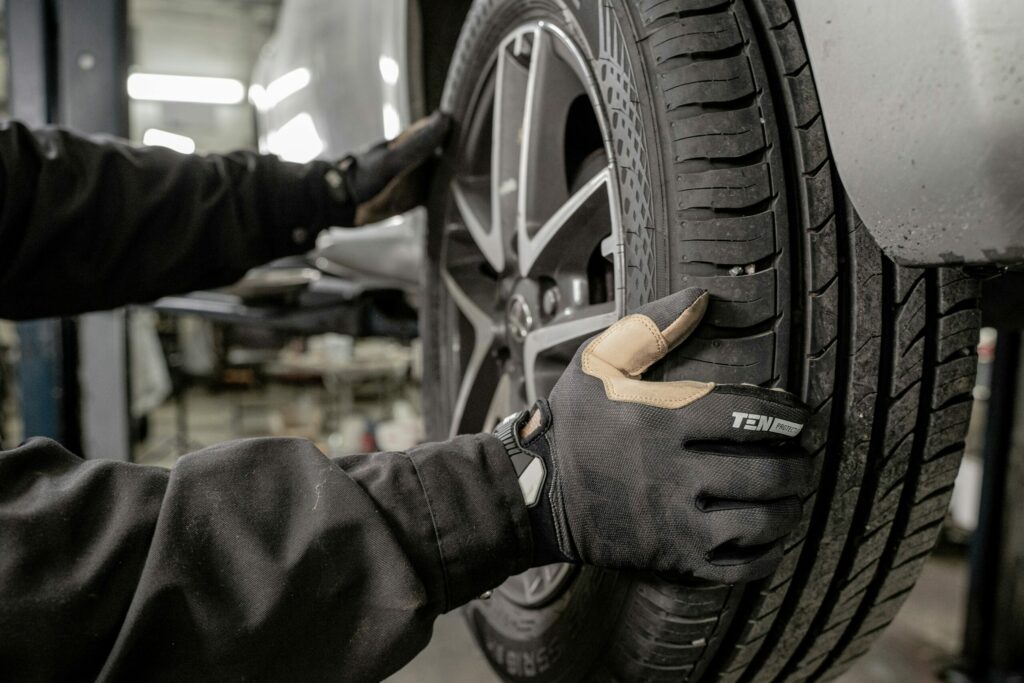
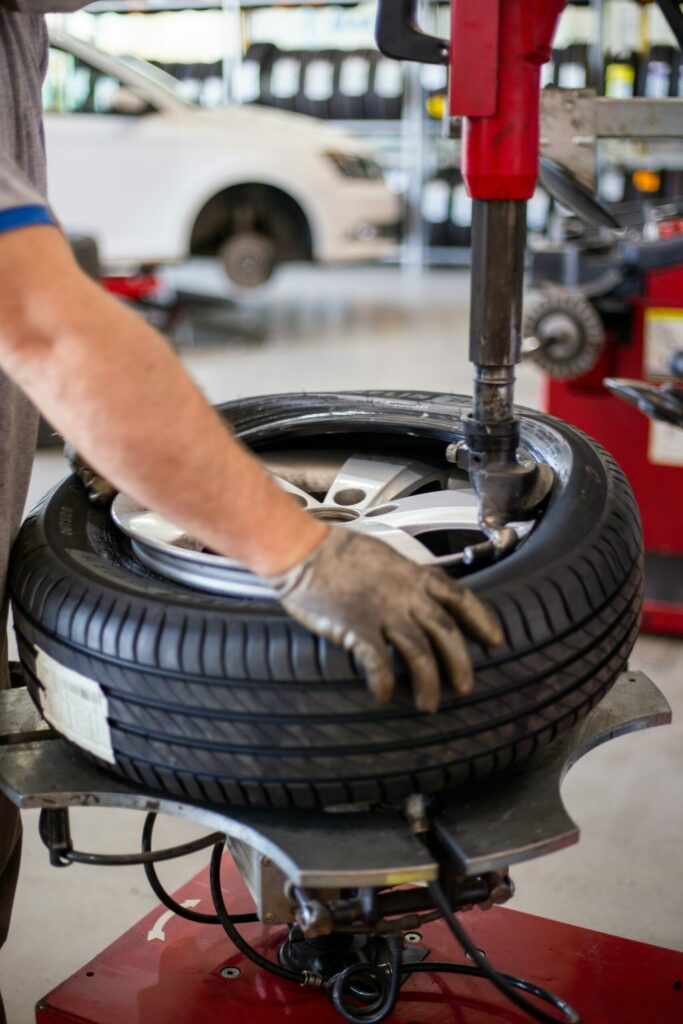
    No oil changes to be made, no spark plugs or cylinder head gaskets to be changed, and even less descaling to be planned: maintenance on an electric car is much less frequent – and less costly – than on a combustion car, except in one crucial area: tyres. Sometimes this is due to a simple oversight (some owners of electric cars, packed with technology and with no apparent engine, tend to believe that their steed will never see a mechanic in its life), but more often than not, tyre-related problems are due to the fundamental differences between combustion-powered cars and electric cars. There are, however, tyres dedicated to electric cars, as well as best practices for extending their life.

    Credit: Robert Laursoo
    Credit: Robert Laursoo

    Faster wear and tear

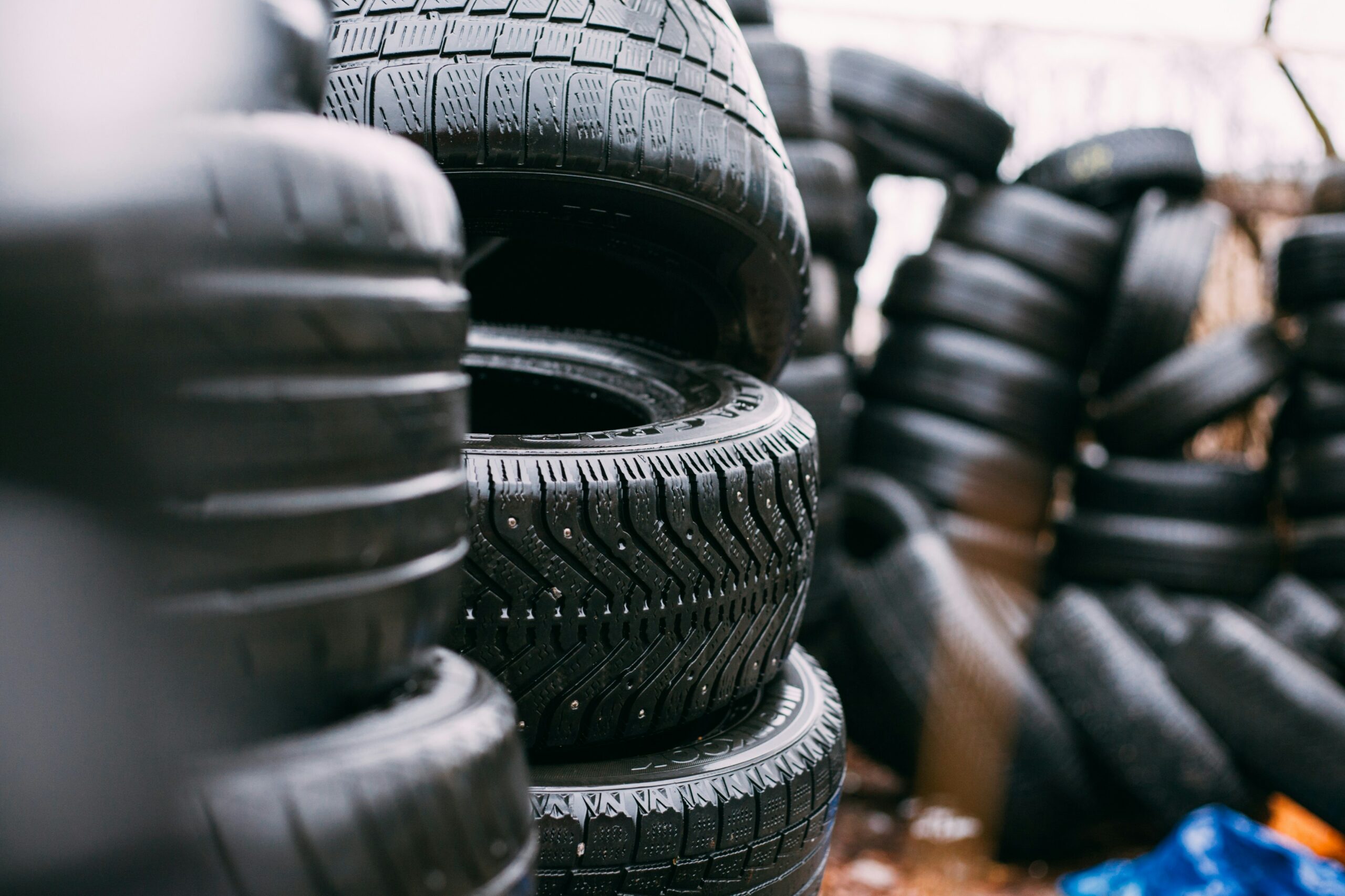
    The characteristics of electric cars have a direct impact on tyre wear. Firstly, as the battery is often heavy, an electric car will weigh more than a combustion engine car of the same model, with a difference of 400 kg for a city car and up to 600 kg for an SUV. The first victims of this excess weight are none other than the tyres, which are subjected to higher pressure, which affects both their deterioration and braking distance, generally compensated for by harder braking which, although it may be regenerative and therefore good for range, accelerates the wear and tear on electric car tyres even further. As if that weren’t enough, the instant torque delivered by electric cars, again one of their main advantages, puts a greater strain on tyres during each acceleration than a combustion model. Several studies have shown that, on average, the tyres on electric vehicles need replacing around 10,000 km earlier than those on combustion engines.

    Acoustic tyres?

    The silent operation of electric cars amplifies the perception of the noise produced by contact between the tyres and the road, known as rolling noise. This sound is also produced by combustion-powered cars, but is masked by the noise of the engine. In town, at moderate speed, the discomfort is limited, but on the motorway or when you come across cobblestones, it can quickly become uncomfortable. To reduce this discomfort, all the giants in the sector have developed their own so-called ‘acoustic’ tyres. Generally speaking, this involves incorporating an absorbent foam inside the tyre, capable of reducing vibrations and, consequently, reducing the volume of rolling noise. Leading French tyre manufacturer Michelin claims a 20% reduction in noise. Continental is promising a reduction of nine decibels, compared with three at Pirelli.

    Credit: Michelin
    Credit: Michelin

    But when these manufacturers and their competitors design tyres dedicated to electric and electrified vehicles, noise is not the only factor they take into account. As we saw earlier, the main concern is that tyres on electric cars wear more quickly than their internal combustion counterparts. So tyres for electric cars have a number of technical features that differentiate them from those for internal combustion vehicles. Without going into too much detail about their ‘recipes’, manufacturers assure us that the materials used to make dedicated tyres are designed to withstand the high weight and instant torque of these cars. Their structure is also reinforced, with the same objective: to delay wear. These tyres offer a lighter resistance to movement, limiting friction and preserving the vehicle’s autonomy. An experiment carried out by Tire Rack, which compared the behaviour of specialised tyres and conventional tyres in real conditions, on the same electric car and following the same route, proved that fuel consumption was much lower with “electric tyres”.

    Best practice

    To optimise the life of the tyres on an electric car, there are a number of good practices to follow. First of all, you need to check your tyre pressure regularly, once a month if you drive regularly. The right tyre pressure ensures good range and slower wear. We also recommend that you rotate your tyres every 8,000 to 10,000 km, to spread the wear more evenly. It’s worth noting, even for drivers of internal combustion vehicles, that it’s advisable to adopt a supple driving style, avoiding hard acceleration – which is certainly tempting when all the torque is instantly available – and hard braking. The same goes for wheel alignment and balancing, which are often overlooked when it comes to maintenance. By following this good advice, as well as choosing dedicated tyres – even if they are a little more expensive – you can not only extend the life of your tyres, but also, and above all, improve your driving experience.

    Credit: Enis Yavuz
    Credit: Enis Yavuz