Category: Interviews

  • “No system is invulnerable” Gaël Musquet, ethical hacker and cybersecurity specialist

    “No system is invulnerable” Gaël Musquet, ethical hacker and cybersecurity specialist

    As modern vehicles, and even more so electric vehicles, become increasingly connected, their vulnerability to cyber attacks continues to grow. Gaël Musquet, ethical hacker and cybersecurity specialist, warns of the vulnerabilities of these connected systems from the Campus Cyber in the heart of the La Défense district, a place that brings together many cybersecurity players. And for him, no technology is infallible. His watchword? Resilience. Interview.

    A windy afternoon in the La Défense district. Gaël Musquet, a meteorologist by training, ethical hacker and Chevalier de l’Ordre national du Mérite, welcomes us to his HQ, the Campus Cyber, a “totem pole” bringing together hundreds of companies dedicated to cybersecurity. He takes us on a tour with what he familiarly calls his “toys” in his arms: drones, a whole bunch of cables, screens and printed circuits that he uses and/or makes in his lab. His current project? A rover that can be remotely piloted and used in military operations.

    Credit: Mathis Miroux
    Credit: Mathis Miroux

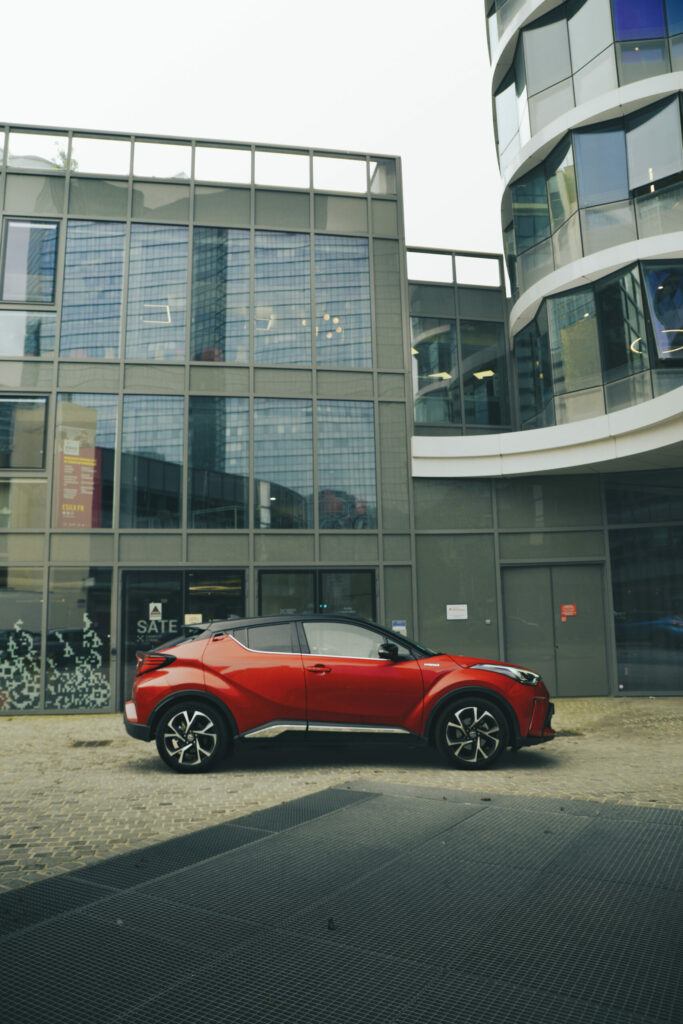
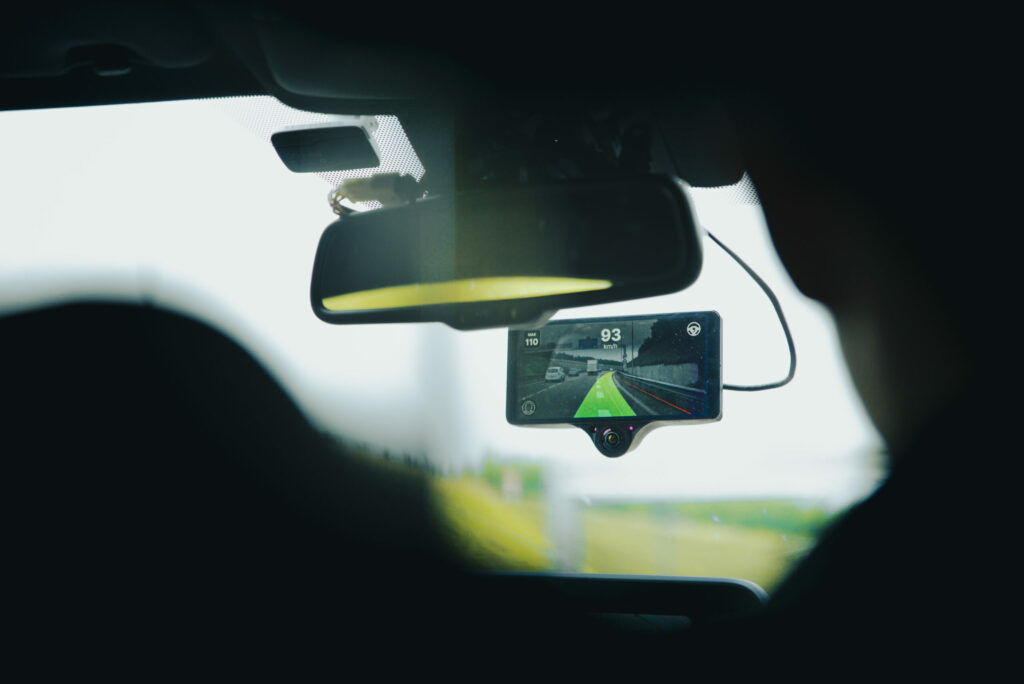
    But Gaël Musquet’s biggest toy is his car. A Toyota C-HR hybrid that, from the outside, looks no different from the production model. Named ‘Red Pearl’ (in reference to the colour of the livery and the Caribbean origins of its owner, who is technically… a pirate of the Caribbean), it is a ‘show car’ hacked by Musquet himself, which he dismantles and hacks in public at conferences and which, at the touch of a button on the cruise control, transforms itself into an autonomous vehicle, with the exception of detecting tolls and a few problems with roundabouts.
    Credit: Mathis Miroux
    Credit: Mathis Miroux

    After taking ECO MOTORS NEWS on board for a demonstration of the almost limitless possibilities of car hacking – the car detects blind spots better and manages its braking better than the person writing these lines, to be honest – the ethical hacker took the time to sit down for a few minutes with us, for an interview.

    What do you think are the main cyber risks facing electric cars today?

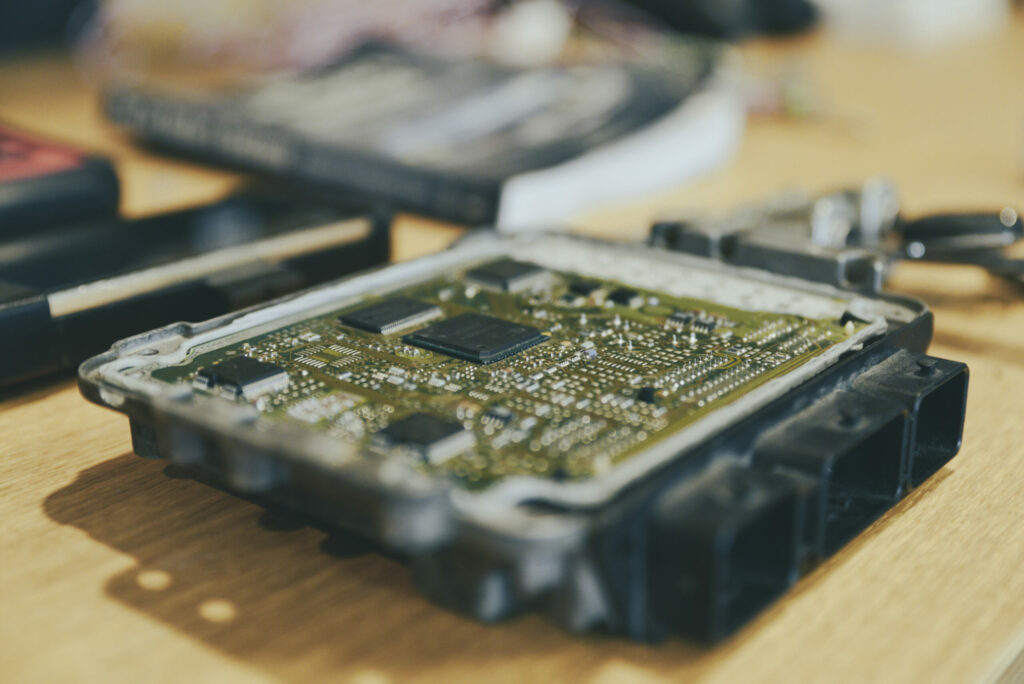
    Gaël Musquet: Electric vehicles present five major attack surfaces. The first is physical: opening, theft of the vehicle, access to the passenger compartment, etc. The second is radioelectric: for example, NFC badges or contactless keys are targets. The second is radio: for example, NFC badges or contactless keys are targets. Then there are electronic vulnerabilities, via on-board data buses. Once physical or radio access has been compromised, action can be taken via these interfaces. The last two concern software installed on ECUs and on-board computers and data produced or received by the vehicle, such as connections to websites or manufacturer services. These are all entry points for cybercriminals.

    You’ve hacked into your own car, which you use as a show car for your business. Can you tell us about it?

    Gaël Musquet: I wanted to show these vulnerabilities in a concrete way. It’s important not to get bogged down in rhetoric or abstract standards. We’re talking about 140,000 car thefts in 2024 in France, that’s one every four minutes! So I’ve created a ‘show car’ which, as well as being autonomous, is above all a guinea pig that I can take apart, test and show. I use it to illustrate real issues and to advise customers and partners.
    Credit: Mathis Miroux
    Credit: Mathis Miroux

    And it’s all available as open source…

    G.M. : Absolutely. My vehicle is based on open source software and hardware. The idea is that everything I demonstrate should be reproducible. Open source software allows the code to be collectively audited, which strengthens security. And it also guarantees a degree of technological sovereignty, since it is not dependent on a private player or a foreign state.

    In your work on critical infrastructures, you often talk about resilience. How vulnerable is the recharging network to cyber attacks?

    G.M. : No system is invulnerable. The real question is: how long will it take an attacker to bring it down? To build a resilient network, we need diversity in technical solutions and a culture of audit: penetration tests, code reviews, contributions from open source communities (such as the Linux foundation or the EVerest project). Some countries, such as Japan, are already opting for this openness, which makes their systems more resilient.

    Credit: Mathis Miroux
    Credit: Mathis Miroux

    Is there a need for an “audit culture” in the automotive sector, as there is in the banking and energy sectors?

    G.M. : Yes, it’s essential. For the past two years, manufacturers have been required to incorporate cyber security into vehicle design. But this is still not enough. We need to give hackers access to vehicles so that they can audit them and organise bug bounties, rewarding those who find flaws. And above all, we need to think about cyber maintenance: developing standards, processes, updates, etc. We need cybersecurity crash tests, just as we do for physical security.

    With the advent of bi-directional charging (V2G), cars can inject energy into the network. Is this a new entry point for cyber threats?

    G.M. : Yes, clearly. It’s no longer just an exchange of fuel, but an exchange of data and energy. It also involves new players: energy suppliers, payment operators, network managers. The stability of the entire electricity network is at stake.
    Credit: Mathis Miroux
    Credit: Mathis Miroux

    As consumers, what can we do to protect ourselves from these attacks?

    G.M. : There are a few simple things you can do: lock your vehicle and, when you get home, keep your keys away from your door and windows, especially if they are contactless; apply software updates to your vehicle, as you would to your smartphone; and protect access to your vehicle by parking it in supervised areas, or by using mechanical anti-theft devices such as the steering wheel lock. These measures may seem anachronistic, but they are still effective in delaying or deterring an attacker.

    Are you optimistic about the development of automotive cyber security?

    G.M. : Yes, very much so. At Campus Cyber, I see an active ecosystem, exchanges between peers, but also with passionate young people. In fact, I’m taking on eight of them on work placements this month! The automotive industry needs to be promoted among young people. The technical professions (mechanics, electrical engineers, etc.) are noble and essential to electromobility. It’s up to us to pass on this passion. There are 60,000 vacancies in the cyber sector today, and they will be essential tomorrow.
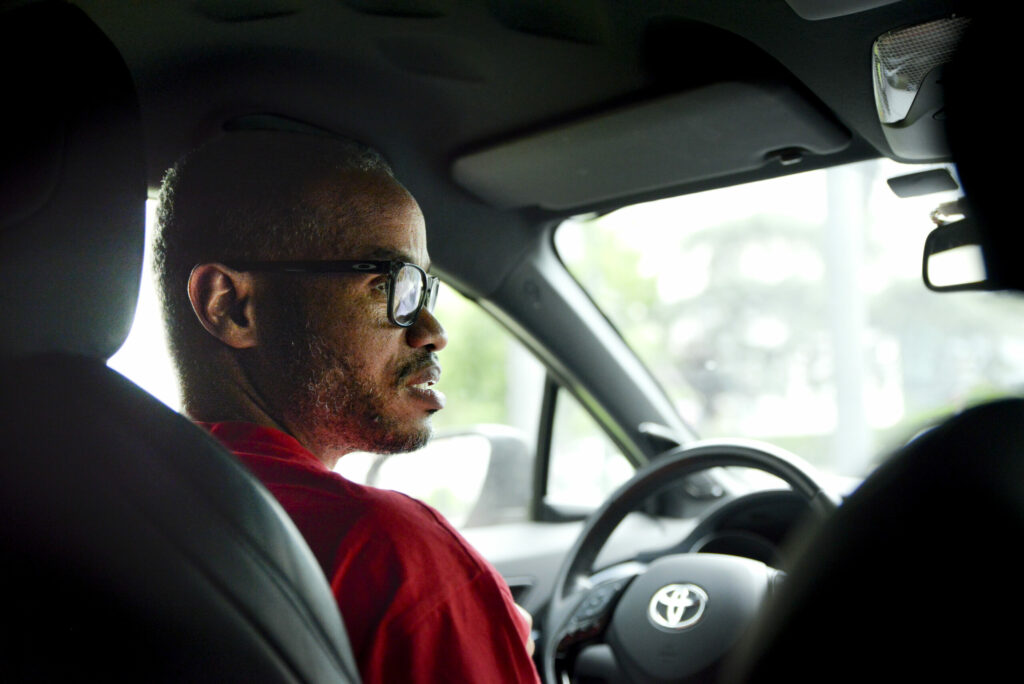
    Credit: Mathis Miroux
    Credit: Mathis Miroux

    You often talk about “getting your hands dirty”. Is this an important part of your approach?

    G.M.: Absolutely. The manual side of things is sometimes devalued, but we need people who touch, test and manufacture, whether it’s hardware or code. My job is 80% human and 20% technical. Understanding fears, needs and emotions is what enables us to create effective solutions. Technology alone is not enough if we don’t know how to explain, support and create meaning.
  • Sungrow, a solar energy giant reinventing fast charging

    Sungrow, a solar energy giant reinventing fast charging

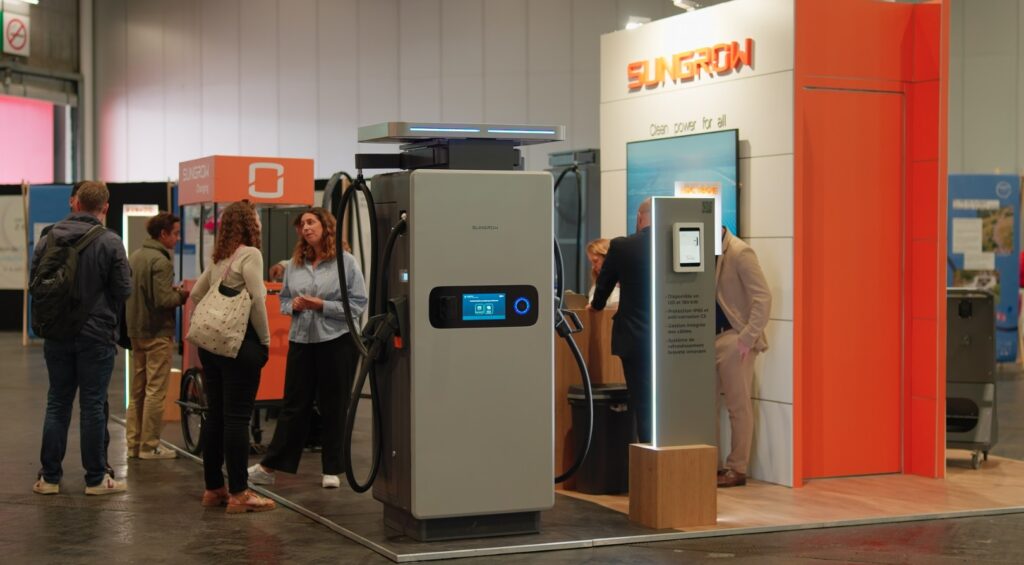
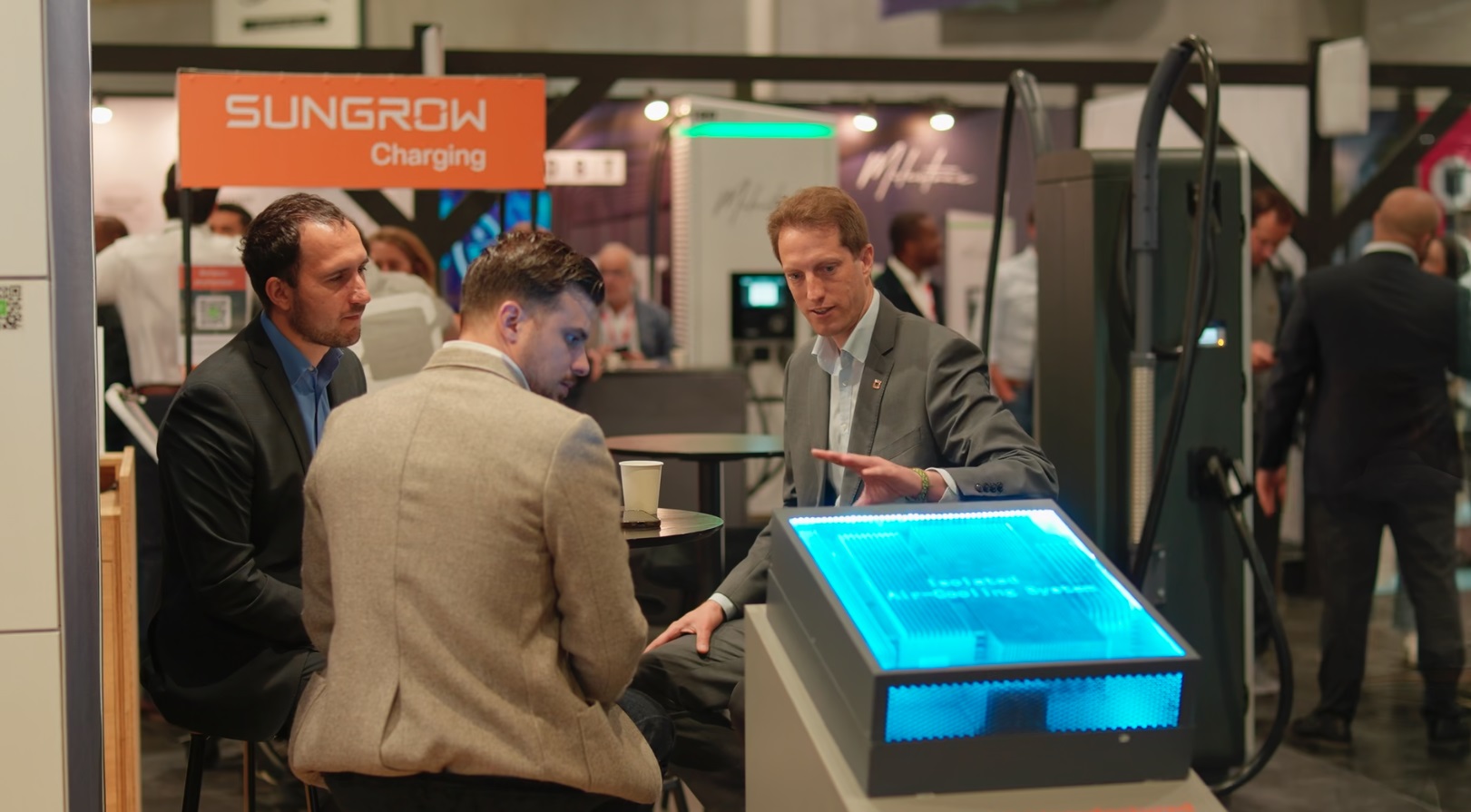
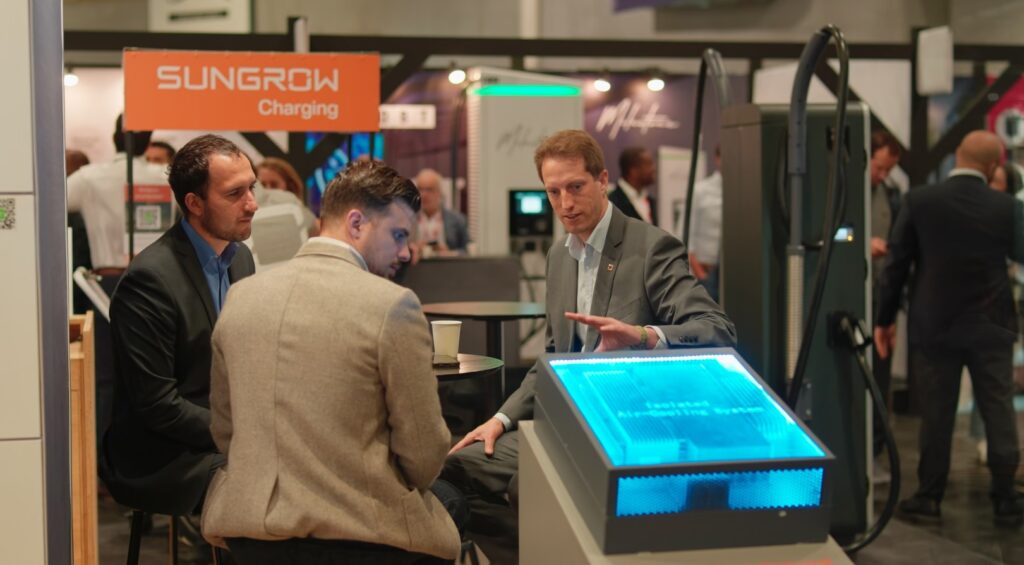
    During the DriveToZero trade show at Porte de Versailles on 4 and 5 June, ECO MOTORS NEWS had the opportunity to meet Robert von Wahl, EV Charging Europe Director at Sungrow, one of the world leaders in renewable energies, which decided ten years ago to put its expertise at the service of electric vehicle charging.

    Credit: Sungrow - DriveToZero
    Credit: Sungrow – DriveToZero

    Electric mobility is, of course, all about the hardware – the vehicles themselves – and the software – the on-board software and technologies – as well as recharging. And with recharging comes a host of issues to be resolved, whether in terms of the energy used and its storage, management of the power delivered or the surface area occupied by charging points in recharging stations, car parks, bus and lorry depots, etc. Some companies are already well ahead of the game in these areas. This is particularly true of Sungrow, the Chinese giant and world leader in power conversion, which was founded in 1997 on the renewable energy market, focusing on photovoltaic (PV) inverters. In the mid-2010s, anticipating the coming boom in electric mobility, the group set up a branch dedicated to recharging, with Robert von Wahl as European Director. At DriveToZero, Robert von Wahl took the time to explain the company’s strategy, illustrating the current challenges facing players in the market and the solutions needed to meet them.

    Satellite recharging… on the cow floor!

    In order to solve the problem of the lack of space in charging stations, whether public or private, while offering power for fast charging, Sungrow has developed what it calls “satellite charging”, which has nothing to do with the conquest of space. Sungrow has developed what it calls “satellite charging”, which has nothing to do with the conquest of space. As Robert von Wahl explains, these systems ” separate the power supply from the charging point itself. A single power cabinet can therefore supply several satellite charging points spread across a site”. This configuration is particularly well suited to ” bus depots or logistics hubs where space is limited and several vehicles need to be recharged simultaneously “, he adds. As well as saving space, this architecture reduces infrastructure costs, limits connections and offers greater flexibility in adapting the network to the changing needs of the vehicle fleet.

    Credit: Sungrow - DriveToZero
    Credit: Sungrow – DriveToZero

    Modularity and efficiency are essential for companies that make intensive use of their charging points. Sungrow’s catalogue now includes several of these ultra-fast chargers, which can intelligently distribute the power of the power cabinet (480 kW) between several vehicles connected simultaneously. So, taking the example of a lorry depot, it is possible to deliver less energy to the vehicle that you know won’t be setting off again until the next day and, from the same charging point, deliver sufficient energy to another vehicle so that it can set off again within the next two hours.

    ESS + PV + DC = future?

    Don’t understand the equation? Don’t panic. Before we met Sungrow at the show, it was all a blur to us too! ESS stands for storage solutions, PV for inverters that convert solar energy and DC for direct current, often used to refer to fast recharging. And, according to Robert von Wahl, ” by integrating energy storage, photovoltaics and DC charging, we obtain a complete energy management solution ” that enables batteries to be charged during off-peak periods thanks to solar energy, and then to supply vehicles during peak demand periods. It’s a way, he continues, of ” reducing the costs associated with hourly grid tariffs, relieving the load on the grid, and guaranteeing locally produced, green energy “. While having the necessary know-how and experience to offer this ‘all-in-one’ solution in-house, as Sungrow does, is still not widespread on the market, our visit to the DriveToZero show showed us that many start-ups and companies are increasingly thinking about this more global approach.

    European challenges

    Although Europe is making good progress, it is still marked by regional disparities. ” Europe is making rapid progress, but there are still significant imbalances between countries ,” says Robert von Wahl. According to him, in France, efforts have been made, mainly in urban areas, but the density of rapid charging points is still insufficient at national level on the motorway networks. The main reason, noted by many players in the sector, is the electrical capacity available in certain areas, particularly commercial areas. ” In these areas, the grid connection is often limited. It is difficult to supply several ultra-fast charging points without significant investment,” he points out. Furthermore, standardisation of protocols and interoperability between operators remain crucial issues. Sungrow, for its part, is responding with customisable, ‘intelligent’ solutions that are compatible with a wide range of configurations, both geographical and technical, but there is still a considerable amount of work to be done in the field.

    Credit: SUNGROW HQ
    Credit: SUNGROW HQ

    The advantage that the Chinese group has over its competitors – in addition to 25 years of world leadership in energy conversion – is the experience it has acquired in its home country, which is ahead of Europe when it comes to recharging infrastructures. Our ambition is to become a key player in the electrification of transport in Europe”, says von Wahl, “and to achieve this, the company relies on modular products that can be adapted to local standards, and invests in R&D on European soil “. Indeed, the company has set up its R&D department in Amsterdam, the Netherlands, a strategic hub for the development of electromobility on the Old Continent.

    This strategy is accompanied by industrial partnerships with local players, as well as with universities and public authorities, in order to ” simplify the large-scale deployment of intelligent charging infrastructure “, concludes Robert von Wahl. By combining solar energy, intelligent storage and ultra-fast charging in a complete, compact architecture, Sungrow is positioning itself as a key player in the energy transition, and if the many start-ups we met at DriveToZero are anything to go by, it could well become a benchmark in the years to come.

  • “Cars are all about use” Interview with Jamy Gourmaud

    “Cars are all about use” Interview with Jamy Gourmaud

    He left his mark on an entire generation with C’est pas sorcier, and today continues to decipher the world around us with the same passion. From the Hotel M Social in Paris, Jamy Gourmaud spoke to ECO MOTORS NEWS about his vision of the electric car, the preconceived ideas that surround it, and the challenges of this transition.

    Image
    Credit: Philippe Matsas

    Who are you, Jamy Gourmaud?

    Jamy Gourmaud: I’m a journalist, more specifically
    . I like to say that I’m a go-between for those who know and those who want to know. My passion for knowledge began very early, when I was a teenager, with the desire to do this job. I was lucky enough to realise this childhood dream. Science came a little later, after my journalism studies and a few years spent covering social issues.
    C’est pas sorcier marked the beginning of this scientific adventure.

    What does the electric car mean to you, and how did you feel when you tested it?

    Jamy Gourmaud: Peace and quiet. That’s what comes to mind first, especially in town. Critics will say that it makes as much noise as any other car, but the noise comes mainly from the contact of the tyres with the road. I’ve had the opportunity to test several of them, first in C’est pas sorcier nearly 30 years ago, and more recently in Le Monde de Jamy. I like its flexibility, the fact that you don’t have to shift gears. It may not be what thrills driving enthusiasts, but it suits me just fine.

    Do you think the electric car is still poorly understood?

    Jamy Gourmaud: I think there are a lot of preconceived ideas, and fears that are unfounded. The first obstacle is often the question of range. You hear people say, “I can’t drive 1,000 km”, or “I’ll have to stop after 300 km and wait half an hour to recharge”. These concerns often stem from a lack of understanding of actual usage.

    What should be done to overcome this fear of autonomy?

    JG: First of all, you have to ask yourself the question: “How do I use my car? Mobility is all about usage. If I make mainly short journeys – as is the case for the majority of daily journeys – an electric car is more than sufficient. On average, a French driver only makes one or two journeys of more than 400 km a year, usually on holiday.

    What about recharge time?

    JG: You have to bear in mind that the batteries will be empty after about two hours’ driving. After two hours of driving, it’s advisable to stop and refuel. This is what road safety advises motorists to do: take a break every two hours. And if you count the time it takes to go to the toilet, have a coffee or a cigarette, the twenty minutes it takes to fill up the tank are soon gone.

    So education is still necessary?

    JG: Yes, you have to explain it, you have to get people to try it out. Before I tried an electric car, I was a bit sceptical myself. But once you’ve tested an electric car, you adopt it. People should be allowed to test drive one for a day or two.

    You recently published a video on the subject. What was your objective?

    JG: I wanted to talk about the concerns about range, but also the lack of understanding that exists around the distances claimed by manufacturers. Some people complain: “But on the motorway, I can’t do more than 250 km, whereas the manufacturer claims a range of 450 km”. The simple fact is that this range is calculated as an average of the distance covered in town, on the road and on the motorway.

    And what about the carbon footprint of electric vehicles?

    JG : There’s a common misconception that electric cars pollute as much as internal combustion vehicles, if not more. It’s true that when they leave the factory, their manufacture generates more CO2. But the difference is that this carbon debt ends there. An internal combustion vehicle continues to emit throughout its life cycle. At the end of its life, an electric car can produce between two and five times less CO2 than a combustion engine car.

    Ready to take the plunge yourself?

    JG: As it happens, it’s underway. First of all, I want to get to the end of the life cycle of my current vehicle. It’s also a question of budget. But yes, I’m getting there.

  • Electric retrofit, pleasure without the hassle

    Electric retrofit, pleasure without the hassle

    Long confined to the margins of electromobility, electric retrofitting, which refers to the electrification of internal combustion vehicles, is attracting more and more private individuals and professionals. Arnaud Pigounides, founder of Retrofuture and a pioneer of the sector in France, talks to ECO MOTORS NEWS about the technical, economic and regulatory challenges that lie behind the vintage elegance of old cars that have been retrofitted with watts.

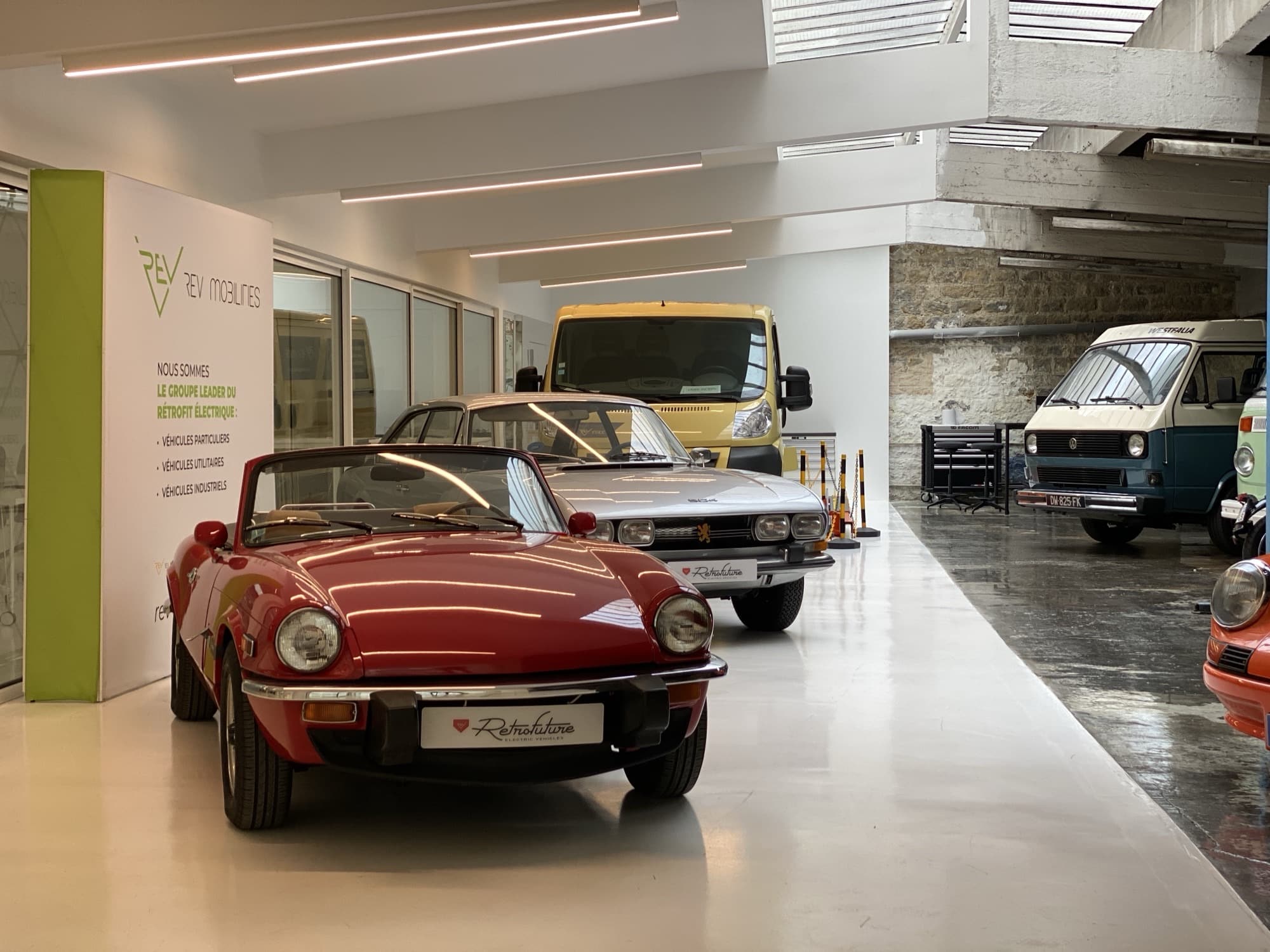
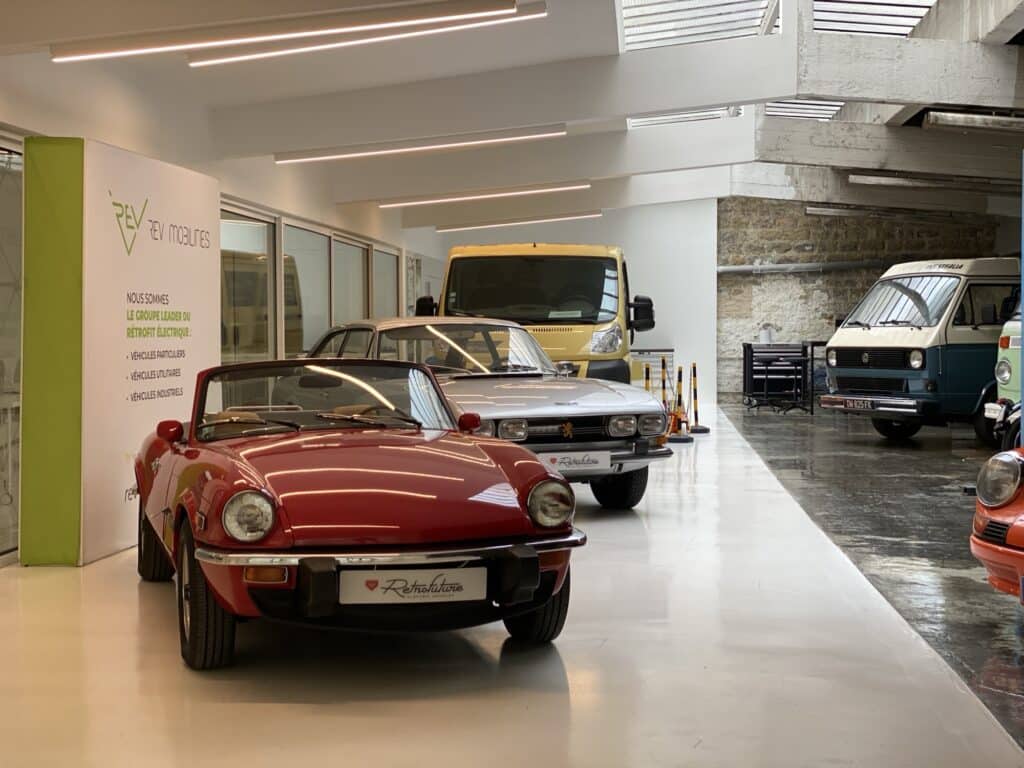
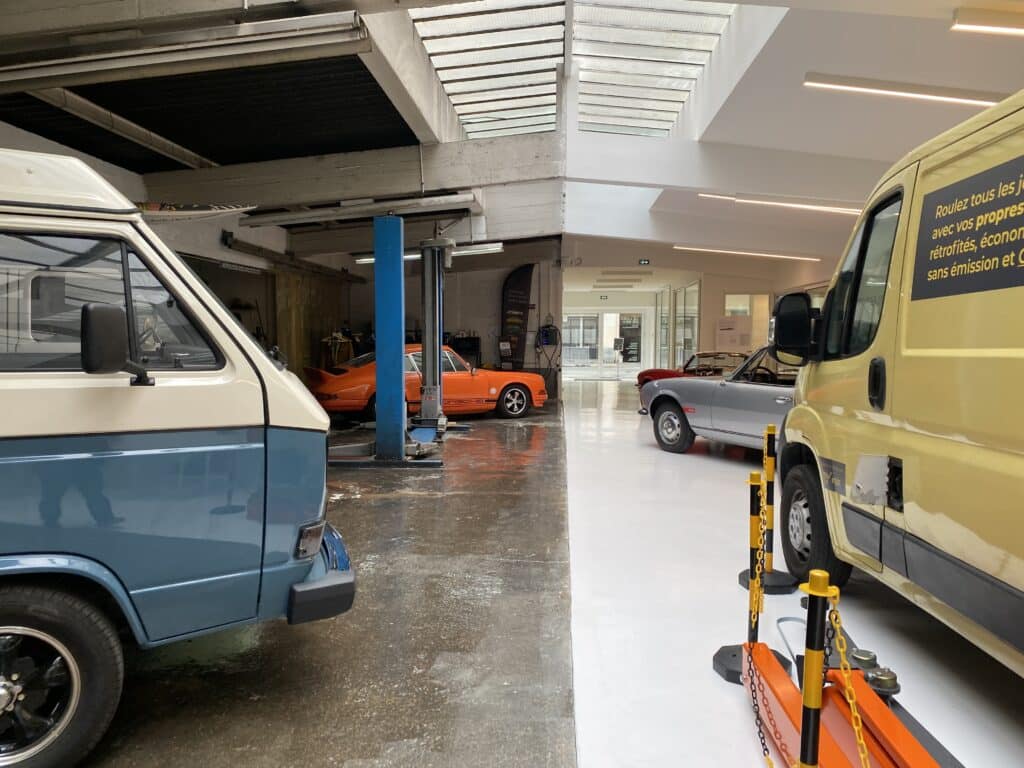
    Retrofitting means keeping the pleasure, but getting rid of the problems “. That’s how Arnaud Pigounides sums up the electrical retrofit of old vehicles. It’s a phrase that perfectly embodies the philosophy of this entrepreneur who, for nearly 10 years and with the launch of Retrofuture, has been giving a second life to old vehicles by replacing their internal combustion engine with a 100% electric motor. At the time, the practice was not even legally regulated in France. Today, it is governed by a strict framework, the fruit of a long process of awareness-raising and industrial alliances. ” I was the first to do it in France, long before it was officially recognised. It has its advantages… and its disadvantages “, smiles the man who has now expanded his business by creating the REV Mobilities group, whose activities also include retrofitting buses, commercial vehicles and worksite vehicles.

    Electrical retrofitting of older vehicles, for which profiles?

    Arnaud Pigounides identifies three main types of customer for classic car retrofits. Firstly, wealthy enthusiasts, often collectors, who want to enjoy their prestige vehicle without the mechanical and environmental constraints of combustion engines. “Then there are those who want to drive a retrofitted Aston Martin or Rolls on a daily basis. These are often people from upper-income brackets, bankers and executives, who also have the internal combustion version in their garage. Then there are the professionals. And not just for recent buses and vans. Hirers of vintage vehicles, which are used for public events, are looking for a retro look while being able to rely on a reliable, economical vehicle that complies with low-emission zones (ZFE). ” For example, we have a customer who has converted an old Volkswagen Combi into an electric beer tapping machine for weddings and festivals. It’s economical, reliable and fits into Paris. Finally, the entrepreneur is seeing a new audience emerge: private customers who are convinced that electric retrofitting makes more sense – economically and ecologically – than buying a new vehicle. ” Some people would rather retrofit a Fiat 500 or Defender for €20,000 or €30,000 than invest in an electric city car, which can be more expensive and full of electronics, which they consider useless.

    Small steps towards democratisation

    Despite its potential, retrofitting remains a niche sector. The main obstacle to large-scale expansion? Speed. You don’t retrofit a car the same way you change a tyre – you may have to wait six or even nine months. Behind this difficulty lies the sinews of war: money. ” We can’t stock kits in advance in every garage. A stock of 1,000 kits at €20,000 each means €20 million tied up. No French player yet has this capacity “. Especially when the vast majority of customers use a third party to finance their purchase on credit. For the moment, then, the cash in the coffers of retrofitters doesn’t allow them to move any faster.

    Another obstacle is certification. Each kit has to be certified for a specific model. ” Even between a Citroën Jumper and a Renault Master, you can’t use exactly the same batteries. Three centimetres difference in the chassis and everything changes “. As a result, only a few models, chosen by each retrofitter according to its suppliers, are available today.

    But can we ever imagine a universal kit, adapted to any model? Modular batteries and adaptable engines are being studied, but 100% standardisation is out of the question: ” A 2CV can’t be fitted with a 200bhp engine. You have to respect the structure and weight of the vehicle.

    European harmonisation, for which Arnaud Pigounides and his colleagues are currently fighting, could also make a big difference. ” Today, a Fiat 500 bought in Portugal and retrofitted in France is only approved for France. This is absurd. In 2026, we’ll have common regulations, at least for commercial vehicles and heavy goods vehicles. That will open up the market. Then, we hope, it will be extended to all vehicles “.

    There is also one final difficulty, but above all it is the guarantee for the customer that he is buying a vehicle that will stand the test of time and not be a financial drain: the ten-year guarantee. Then, unlike some foreign retrofitters who install second-hand batteries and motors from damaged vehicles, in France we use new batteries made to order and motors specially designed for electrical retrofitting. No do-it-yourself, which is reassuring, but it is also a further brake on rapid large-scale development in Europe.

    Revenge for the unloved, without the smell of petrol

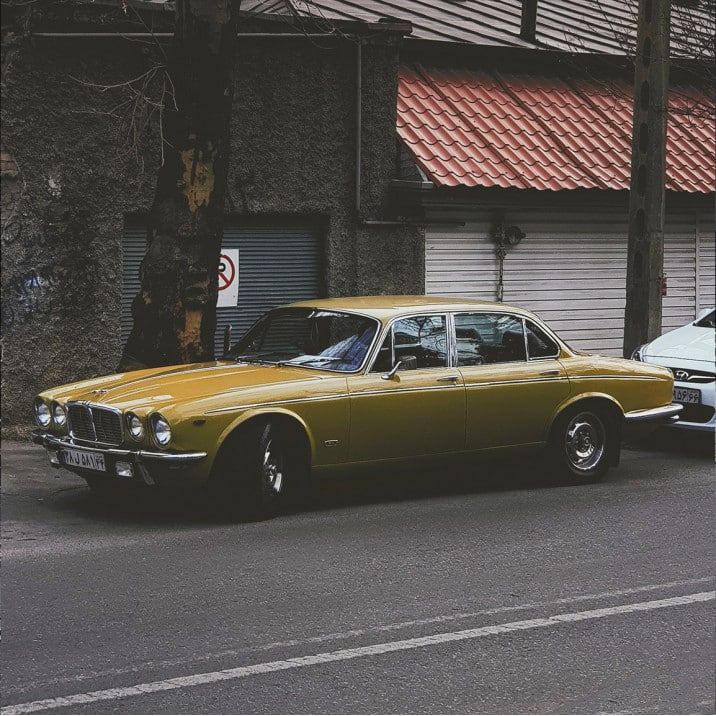
    Retrofitting is also an opportunity to give cars that have been unfairly sidelined a second lease of life. At Rétrofuture, the focus is on forgotten models from the 80s and 90s. ” Theres a huge demand for Jaguar XJs, even Rolls-Royces from the 90s. These cars were disparaged because of their engines and their ratings are relatively low, but once electrified, they become desirable, reliable and unique.

    The same goes for small convertibles, which, with very few exceptions, are now shunned by manufacturers who prefer to produce SUV after SUV. By retrofitting MGBs or Triumph Spitfires, an entire lifestyle and driving philosophy can be revived.

    So, is retrofitting a viable solution? According to Arnaud Pigounides, the answer is yes, as long as you understand its limits and potential. Retrofitting won’t replace mass production by manufacturers, but it does offer a credible alternative for specific uses, targeted populations and, above all, more rational mobility. ” The average daily journey for a French person is 20 km. Our customers aren’t looking to tour France. So why buy a new vehicle that you don’t like, when you can have a car that looks good, is electric, reliable and doesn’t smell of petrol ? In short, it’s a way of reconciling the past and the future on four wheels.

  • Electric boats: when pleasure boating becomes gentler

    Electric boats: when pleasure boating becomes gentler

    Quiet and clean, electric boats are undoubtedly the future of pleasure boating. But while they embody a new way of sailing, there are still a number of obstacles to their widespread development.

    Credit: beneteau

    According to studies by Data Bridge Market Research and Mordor Intelligence, the global market for electric boats is set to grow by 11.2% to 12.65% a year between now and the end of the decade. This global momentum is also reflected in France, particularly in Paris, where the famous Vedettes have recently embarked on their energy transition. But despite these promises, yachting – if we compare its transition to that of the car industry – still seems to be standing still. The Association Française pour le Bateau Électrique (AFBE) and AKWA Experience, which hires out electric boats in Paris, give ECO MOTORS NEWS a realistic yet optimistic look at the state of electric boats in France.

    Boats that are still too costly and infrastructure that is in short supply

    It’s a small-scale industry, which makes the energy transition much more complex and costly “, explains Yannick Wileveau, Chairman of the AFBE. Like cars, electric boats still suffer from the high cost of engines and batteries, to which must be added the “made-to-measure” aspect that adds a little more to the bill.

    In fact, the price of electric boats remains one of the major obstacles to the energy transition in recreational boating. To address this, the AFBE is promoting co-ownership models or membership of yacht clubs. “ Sharing a boat makes the initial investment profitable, while reducing the need for harbour berths “, Brusset points out.

    It’s enough to shake up the habits of boat owners. And that’s not the only thing that needs to change! In fact, according to Christophe Brusset, Secretary General of the AFBE, the challenge is not just a technical one: ” Going electric also means changing the way you sail. Less speed, more calm, and more attention to the environment. This environmental aspect is not just about zero emissions, but also about preserving aquatic flora and fauna.

    Another lever for convincing boat owners to switch to electric power is the development of recharging infrastructures, which are still largely inadequate. And it’s a vicious circle, because fewer boats mean fewer infrastructures, and fewer infrastructures mean fewer boats. So, just as was done for the car industry, which was in the same situation a few years ago, the AFBE believes that local authorities, the State and Europe need to use subsidies and tax breaks to encourage the purchase of electric boats on the one hand, and the installation of recharging stations on the other.

    Credit: RIva

    In Paris, an experience that’s sure to win you over

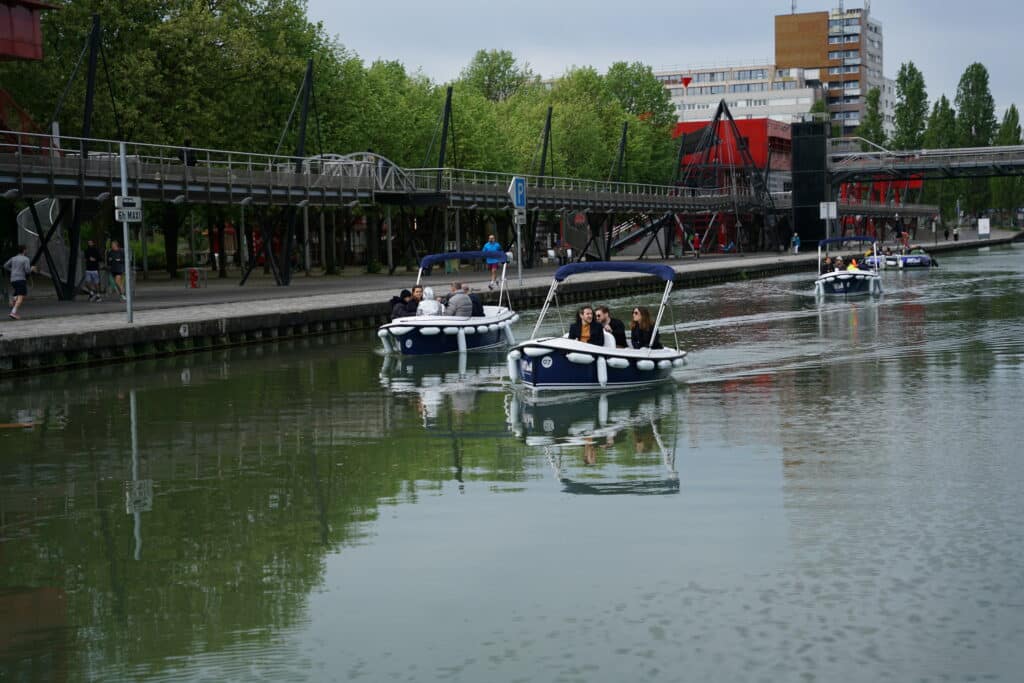
    It’s clear: the development of electric boats will require a change in user philosophy. And it’s this change in mentality that AKWA Experience is working on from the Canal de l’Ourcq, in the 19th arrondissement of Paris. Its fleet of 100% electric, licence-free boats is proving a great success. “ Our customers often talk about a magical, timeless experience. They rediscover Paris from another angle, in the heart of the city, but far from its hustle and bustle “, says Rodrigue Faleme, the company’s managing director.

    Offering prices tailored to young people, pensioners, local residents and the underprivileged, AKWA Experience sets its sights high: ” Our objective is clear: to democratise electric navigation and raise awareness of the need to protect our river heritage. The company regularly organises events at its base, including canal clean-ups.

    Credit: Akwa

    Optimism as a course

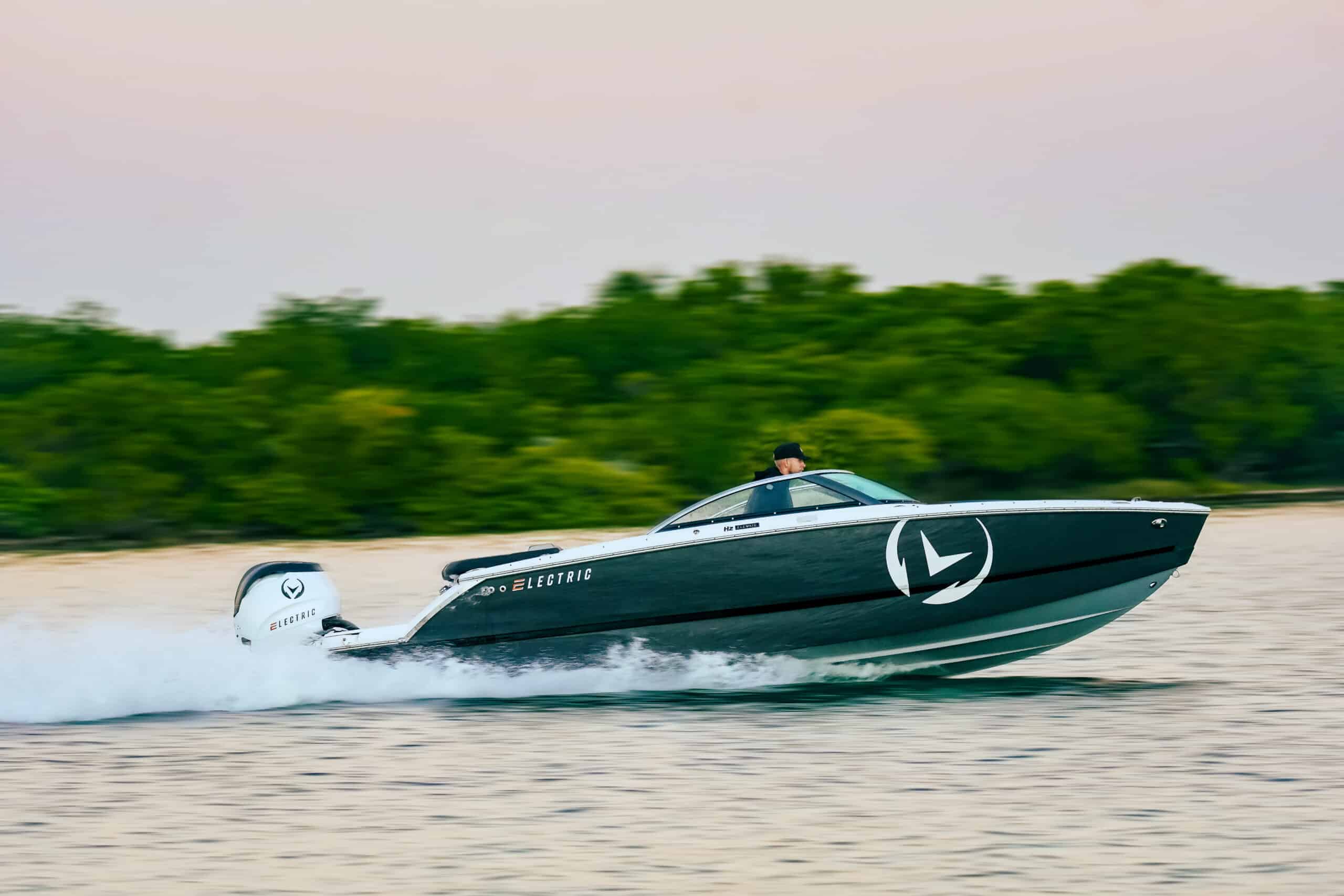
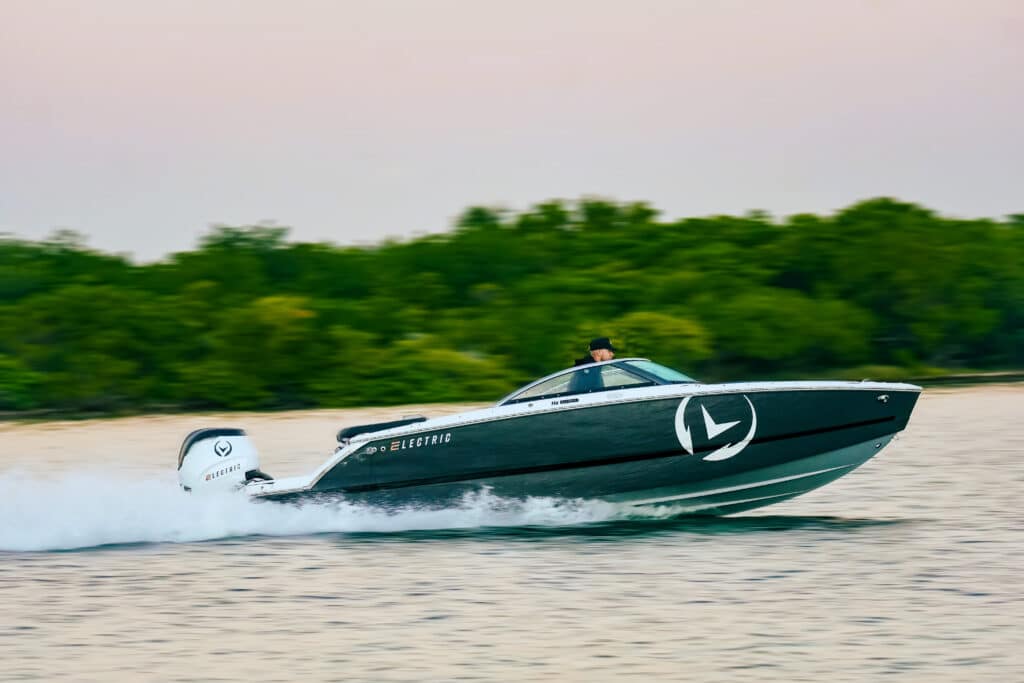
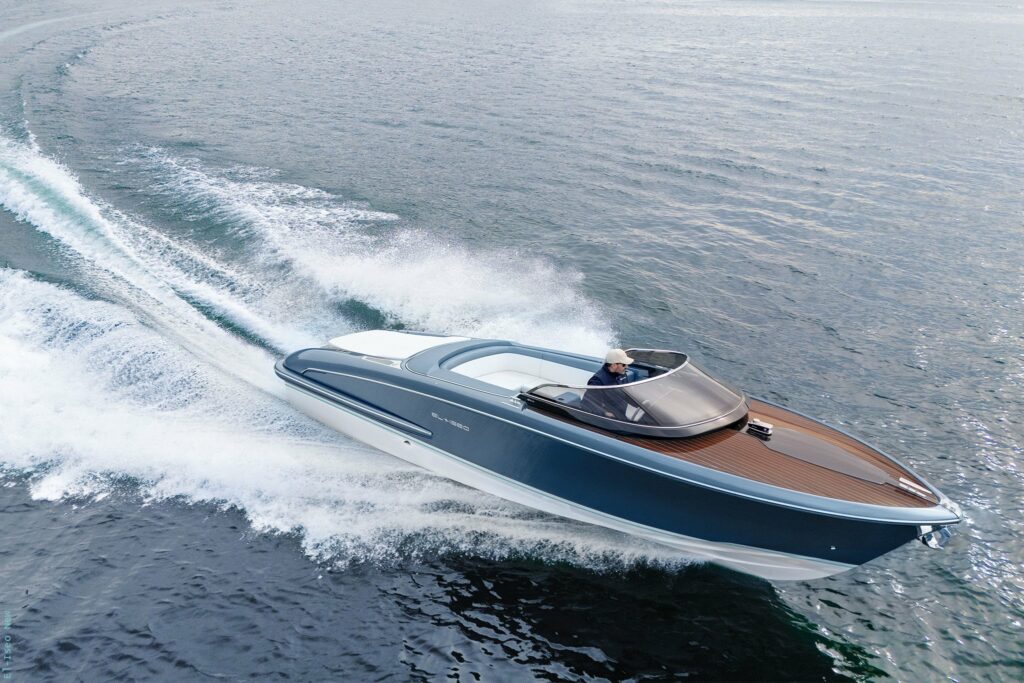
    While there are still many obstacles to the acceleration of the electrification of the yachting industry, the momentum is well underway. Proof of this is the arrival of 100% electric and hybrid models in the catalogues of the major marine brands, such as Bénéteau’s Four Winns H2e and the Riva El-Iseo: ” It is these models, designed from the outset for electric power, that will drive the market in the years to come ,” predicts Yannick Wileveau.

    In the meantime, pioneers like AKWA Experience, as well as their competitors in Paris and elsewhere, are leading the way and playing an active part in changing attitudes. By 2035, the AFBE even believes that electric yachting could well be the norm rather than the exception. In the meantime, it’s already a nice glimpse of what silent, less polluting boating could be like… and it feels good!

    And what about the sea?

    While electric river navigation is gaining ground, it is also beginning to make inroads at sea. Several shipyards are now developing electrically-powered catamarans and coastal launches, some of them hybrids, suitable for short sea trips. Autonomy is still limited by battery capacity, but innovations such as solar recharging and hydroelectricity are opening up new prospects. In sensitive coastal areas, such as marine reserves, electric boats help to preserve ecosystems. In Scandinavia, electric ferries have been developing for 10 years, notably the MV Ampere in Norway, the world’s first 100% electric ferry, launched in 2015.