
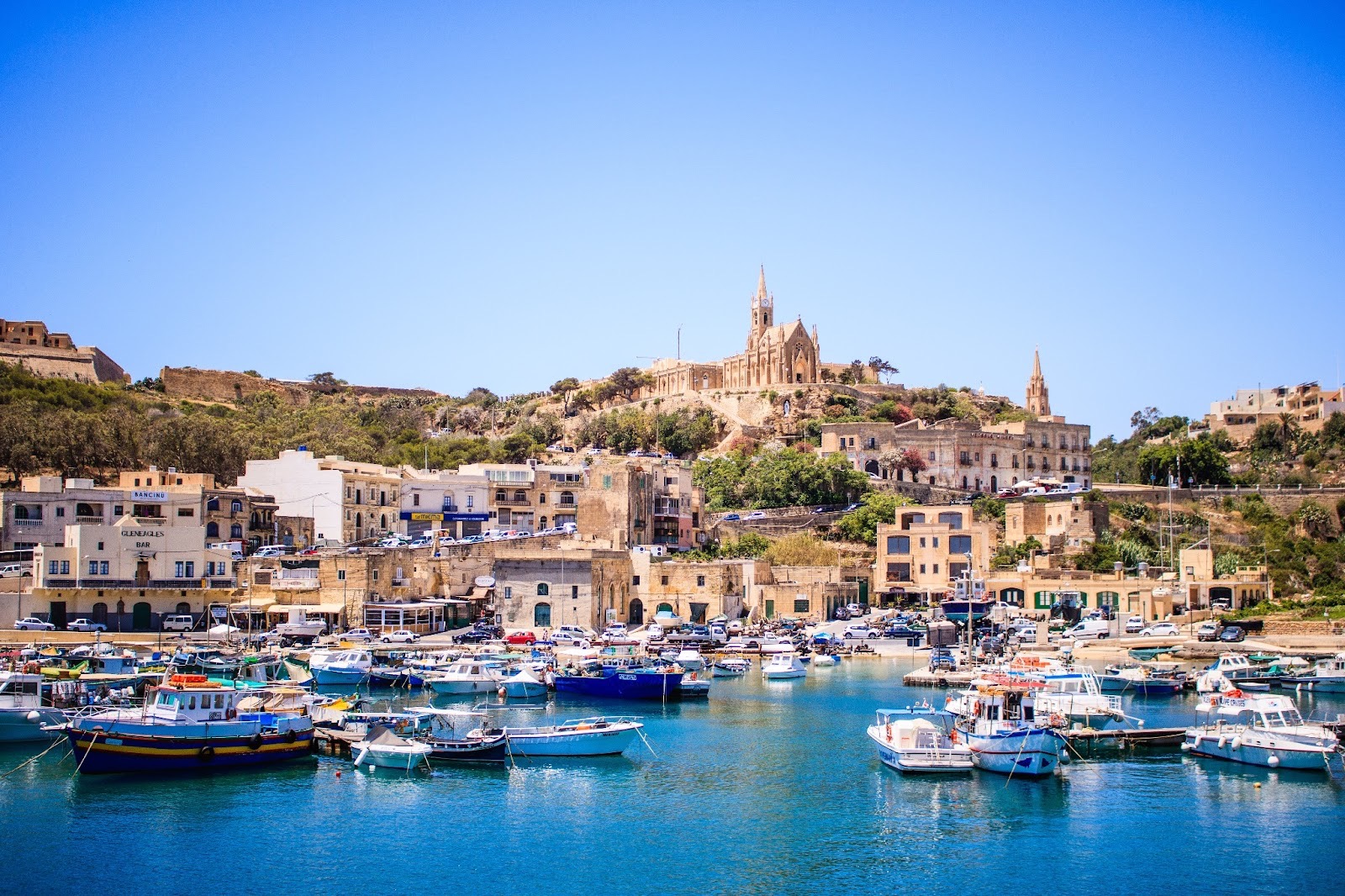
A small Mediterranean archipelago of 320 km² with a population of around 545,000, Malta has an atypical profile in Europe. With a population density of around 1,716 inhabitants per km², the highest in the European Union, and a car fleet of more than 450,000 vehicles of all categories, the country has a number of structural constraints that make the transition to electric mobility more complex. Despite real progress in recent years, supported by increased public funding, electromobility still faces a number of obstacles in the archipelago.
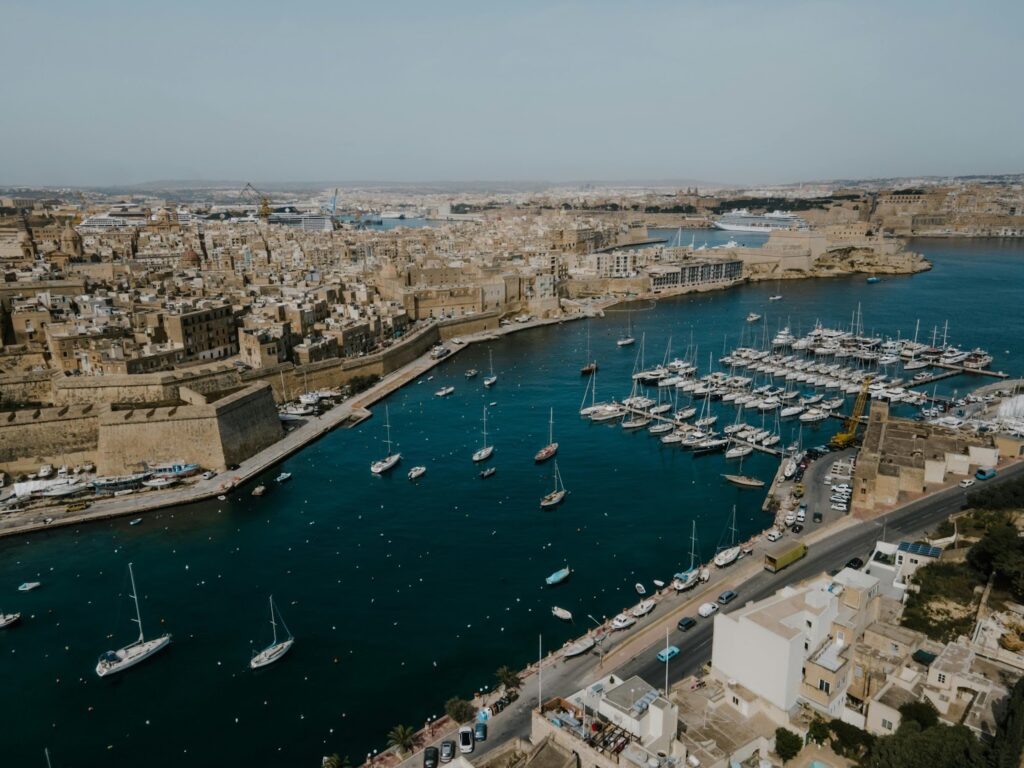
A rollercoaster electricity market
Electric vehicle sales in Malta have followed an atypical trajectory in Europe. In the first quarter of 2022, electric motors and plug-in hybrids accounted for just 1.7% of the total vehicle fleet, representing a total of just 7,122 vehicles in the Maltese islands at the time.
Fast forward three years later and as of the second quarter of 2025, this segment of vehicles has more than doubled and now represents 4.3% of the total fleet, or 19,493 vehicles out of the overall total of 450,794 vehicles currently registered. The number of pure electric vehicles in the Maltese islands increased by 6% in the first two quarters of 2025, to a total of 14,555 electric vehicles.
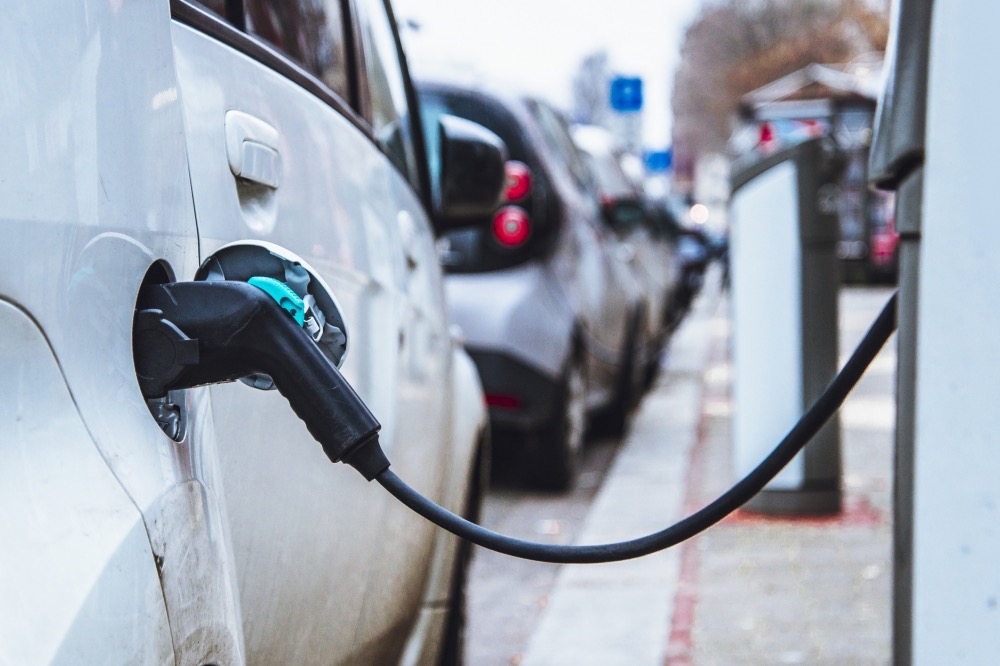
At the end of September 2025, the total fleet of electric vehicles and plug-in hybrids reached 20,604 units, or 4.5% of the total fleet of motorised vehicles registered in Malta.
A recharging network that is still limited and inefficient
Malta has around 380 public charging points, a figure that may seem relatively reasonable given the still modest number of electric vehicles on the island. In fact, there is one public charging point for electric vehicles for every 46 cars on the Maltese islands.
In practice, the power of the installations remains very limited. Only a handful of charging points exceed 22 kW, and 12 fast charging points offer more than 50 kW. In other words, almost 90% of installations are AC charging points of less than 11 kW, which means that charging times are particularly long.
Most of the infrastructure is concentrated in urban and tourist areas: Valletta, Sliema and St Julian’s, Gozo.
As for the network operators, there is Maltapark, which operates almost half of the public terminals, as well as Enemalta (the Maltese EDF). There are also a few fast infrastructures operated by Tesla.

Numerous structural obstacles
There are several major obstacles to the volatile adoption of electric vehicles on the archipelago.
The first is the purchase price. In Malta, the price of electric vehicles is significantly higher than in other European markets, due to the fact that the vehicles are imported in their entirety and the associated logistics costs. For example, excluding grants, the price of a Tesla Model Y Long Range is €62,900 in Malta, compared with ‘only’ €49,990 in France, an increase of 26%.
Access to recharging is another major obstacle. Around 85% of households live in flats, often without private parking or the possibility of installing a home charging point.
Furthermore, and this is not the only sceptical European population, Maltese drivers remain unconvinced given the range of electric vehicles, even though most daily journeys on this particularly compact island do not exceed 30 kilometres.
Finally, a number of cultural factors also play a role. In a society where the car remains a status symbol, the electric models on the market are often perceived as prestige objects rather than everyday vehicles.
Sharp rise in public funding
With a view to developing electromobility as effectively as possible and tackling these obstacles, the Maltese government has stepped up its financial incentives. Malta is counting on very generous subsidies through the main Electric Vehicle Grant Scheme. This scheme offers between €5,000 and €10,000 for the purchase of a 100% electric vehicle for private individuals (and up to €15,000 for businesses), depending on the price. These grants are supplemented by a 5-year exemption from road tax and subsidies for the installation of charging points covering up to 70% of the costs.

The government is gradually increasing the budget (€6m in 2024, €12m planned for 2026) to fund more subsidies. As a result, 87% of electric vehicles sold in 2025 will have received aid.
A national strategy still to be put into practice
And these aids are not here by chance. The Maltese authorities have set a number of targets to speed up the transition. In particular, the national plan calls for 10% electric vehicles in the fleet by 2030, 6,500 recharging points across the Maltese islands by 2030, in line with Malta’s Low Carbon Development Strategy (LCDS), and 50% of electricity generated from renewable energy.
A low-emission zone is also due to be introduced in Valletta from 2028, with a gradual restriction on internal combustion vehicles. At the same time, several projects are underway to improve sustainable mobility, including the development of an electric sea link between Malta and the island of Gozo.
An economic ecosystem that is still in its infancy
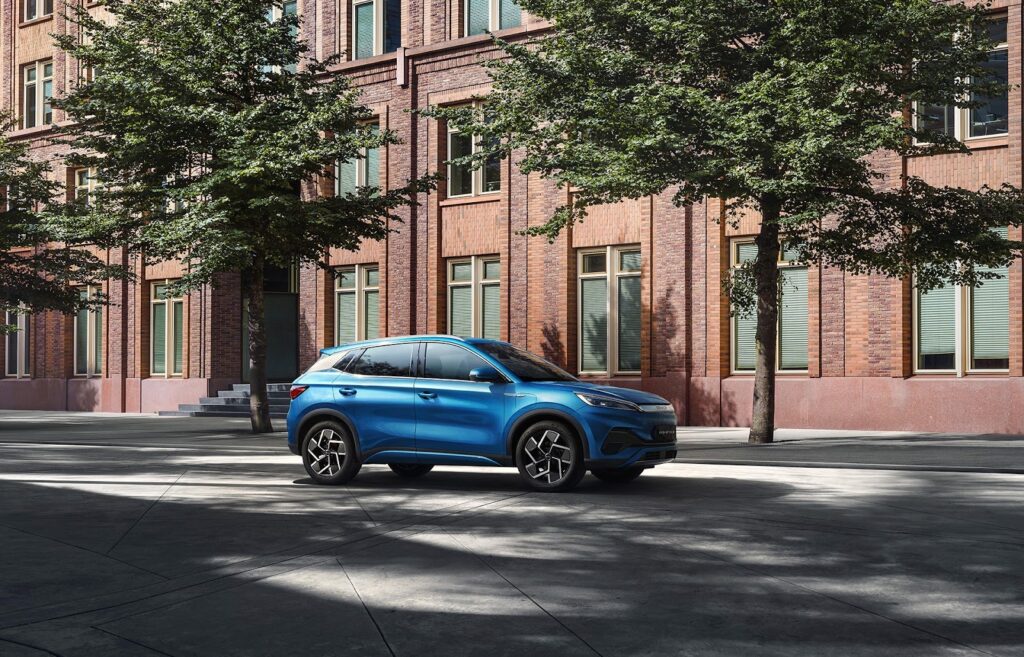
Unlike other European markets, Malta has no local automotive production or battery industry. The market relies mainly on international importers and distributors. Tesla dominates the electric vehicle market, followed by MG Motor and the Chinese manufacturer BYD, whose breakthrough has been particularly noteworthy: the BYD Atto 3 took third place among the best-selling models in 2024, with an increase of 336% over one year.
However, a number of local companies are beginning to emerge in the field of electric mobility services, notably Switch, a platform for locating and reserving recharging points. It’s not much, but it’s something.
A market dependent on public funding and growing
All in all, electromobility in Malta is making progress, but at a still fragile pace. Supported by some of the most generous subsidies in Europe and ambitious political objectives, the archipelago’s energy transition is beginning to produce visible results. However, the constraints specific to this island territory – high urban density, limited access to domestic recharging, import costs and infrastructure that is still inadequate – continue to hold back its development.
The challenge for the coming years will therefore be to transform these financial incentives into a genuine ecosystem for electric mobility, capable of becoming a lasting part of everyday life in Malta.